Upcoming Renault Bridger SUV: Turbo Petrol and EV Plans Explained
Table of Contents
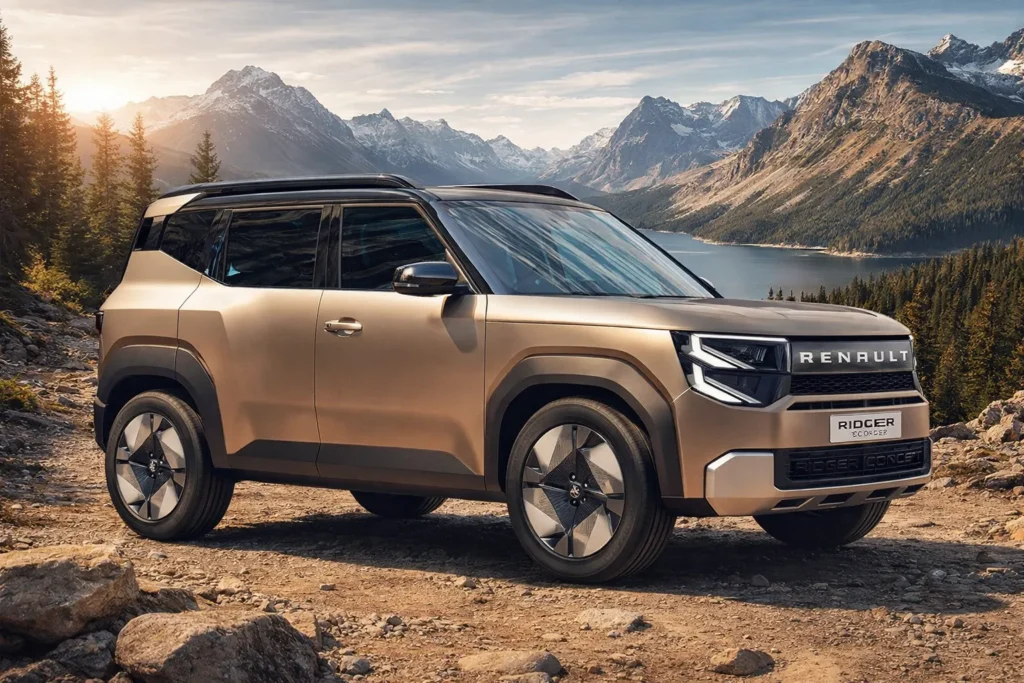
Renault is quietly building momentum in India again. After revealing its futuREady strategy, the brand is now preparing a fresh set of products. One of the key launches will be the Renault Bridger SUV.
This model is expected to play a major role in Renault’s growth, both in India and in export markets. Early details suggest a mix of turbo petrol and electric powertrains, which keeps it relevant for current buyers and future demand.
What is the Renault Bridger?
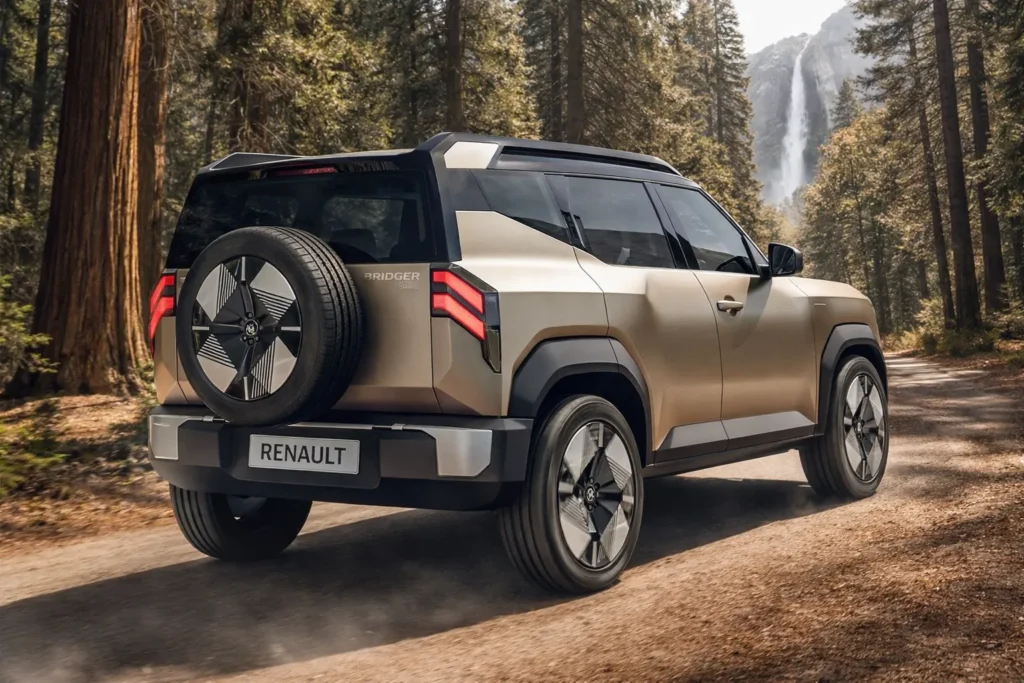
The Renault Bridger will sit in the sub 4 meter SUV segment. That is one of the most competitive spaces in India right now.
It will not just be another product. Renault is clearly treating it as a volume driver. That means strong focus on pricing, features, and wide appeal.
The SUV will also support exports. Renault wants India to act as a production hub, not just a sales market.
Engine Details: 1.2L Turbo Petrol
Renault will offer a 1.2 litre turbo petrol engine with the Bridger. Exact specs are not officially confirmed yet, but there is a strong possibility it will use the TCe 115 unit.
This engine is already seen in models built on the CMF B platform, like the upcoming Clio 6.
Expected engine specs:
- 1.2 litre turbocharged petrol
- 3 cylinder layout
- Around 115 hp
- Around 190 Nm torque
- Likely manual gearbox at launch
This setup is not groundbreaking, but it fits the segment well. It focuses on usable power and efficiency, which matters more in daily driving.
Platform: RGMP Architecture
Unlike the Clio, the Bridger will use Renault’s RGMP platform.
This is important because:
- The same platform will underpin the new generation Duster
- It will also support the upcoming 7 seater Duster
- It allows flexibility for petrol and electric versions
In simple terms, Renault is building a common base for multiple products. That usually helps with pricing and faster development.
Rivals in India
The Bridger will enter a crowded segment. Competition will be intense from day one.
Main rivals include:
- Tata Nexon
- Tata Punch
- Mahindra XUV 3XO
- Citroen C3
All of these already have strong presence. So Renault needs to get the basics right. Pricing, mileage, and reliability will matter more than fancy features.
Renault Bridger EV: What We Know
Renault is also planning a fully electric version of the Bridger. This could be a big step, as it may become Renault’s first EV for India.
Globally, Renault already sells electric models like:
- Renault 5 E Tech
- Megane E Tech
- Scenic E Tech
So the experience is there.
Expected EV details:
- Battery pack up to around 40 kWh
- Claimed range close to 500 km (ARAI)
- Real world range around 350 km
- Likely LFP battery chemistry
- 400 volt architecture
Features expected:
- DC fast charging support
- AC home charging
- Regenerative braking
- V2L support (vehicle to load)
The use of LFP batteries makes sense. They are safer and cheaper, which helps keep the price competitive.
Why Bridger Matters for Renault
Renault has clear plans for India. The company wants to:
- Expand to 7 models by 2030
- Make India one of its top 3 global markets
- Build a strong export base
The Bridger fits right into this plan. It will bring volume, visibility, and possibly new buyers into the brand.
Renault is targeting around €2 billion in annual exports by 2030. That is roughly Rs 22,000 crore. A big number, and models like Bridger will help achieve it.
Final Thoughts
The Renault Bridger is not trying to reinvent the segment. It is doing something smarter.
It combines a practical turbo petrol engine with a future ready EV option. Add competitive pricing, and it could work well.
But execution will decide everything. Renault has had ups and downs in India. This time, the strategy looks more grounded.
If they get the basics right, the Bridger might actually become the comeback product Renault needs.
Sources and References
- https://media.renaultgroup.com/renault-group-unveils-futuready-india-to-power-its-next-phase-of-international-growth/?lang=eng
Official Renault Group announcement outlining its futuREady strategy, platform plans, and future product roadmap. - https://www.reuters.com/world/india/renault-targets-india-among-its-top-three-markets-by-2030-ceo-says-2026-04-16/
Global coverage highlighting Renault’s long term India strategy and expansion targets. - https://timesofindia.indiatimes.com/city/chennai/renaults-india-push-7-new-cars-2bn-exports-5-share-target-india-to-be-3rd-largest-market/articleshow/130316525.cms
Industry report covering Renault’s upcoming models, export goals, and market positioning. - https://www.cardekho.com/india-car-news/renault-india-announces-big-future-plans-7-launches-till-2030-including-updates-new-models-and-their-first-ev-35903.htm
Automotive portal detailing Renault’s upcoming launches including Bridger and platform insights. - https://www.team-bhp.com/news/renault-plans-7-models-2030-under-futuready-india-plan
Enthusiast driven coverage discussing Renault’s future lineup and product strategy in detail.
Renault Bridger FAQs
What engine will the Renault Bridger use?
The Renault Bridger is expected to come with a 1.2 litre turbo petrol engine. It could be the TCe 115 unit, producing around 115 hp and 190 Nm, similar to models like the Clio 6.
Will Renault offer an electric version of the Bridger?
Yes, Renault is planning a fully electric version of the Bridger. It could become the brand’s first EV for India and will target the growing electric SUV segment.
What range can we expect from the Bridger EV?
The claimed range could be close to 500 km, while real world driving may deliver around 350 km depending on usage and conditions.
Which platform will the Renault Bridger be based on?
The Bridger will use Renault’s RGMP platform. This is the same architecture that will support the new generation Duster and future Renault models.
Who are the main rivals of the Renault Bridger?
The Bridger will compete in the sub 4 meter SUV segment. Key rivals include Tata Nexon, Tata Punch, Mahindra XUV 3XO and Citroen C3.
What battery setup is expected in the Bridger EV?
The electric version could use LFP battery packs for better safety and cost control. Battery size may go up to around 40 kWh.
Will the Bridger EV support fast charging?
Yes, the EV is expected to support both DC fast charging and regular AC charging. Features like regenerative braking and V2L may also be offered.
Why is the Renault Bridger important for the brand?
The Bridger is planned as a volume driver. It will help Renault expand its lineup, increase sales, and support export goals as part of its future strategy.
What is Renault’s plan for India by 2030?
Renault aims to launch seven models by 2030 and make India one of its top three global markets. The company also plans to boost exports significantly.