2026 Polestar 2 Review: Range, Performance, Interior, Charging, and Buying Advice
The Polestar 2 has now been on sale for more than five years. While the design has remained familiar, the car has received several updates including mechanical changes, feature improvements, and a small set of 2026 cosmetic tweaks. In this detailed review, we cover what is great about it, what is not so great, what is new for 2026, how it compares to key rivals, and which version is the best value.
What’s New for 2026
Polestar has kept the updates subtle for 2026. The overall body design remains the same, but a few cosmetic and functional changes have arrived:
New paint shade called June
Updated 20 inch performance five spoke alloys
Slightly improved cabin materials
Faster processor for the infotainment system
Minor refinement in software and charging management
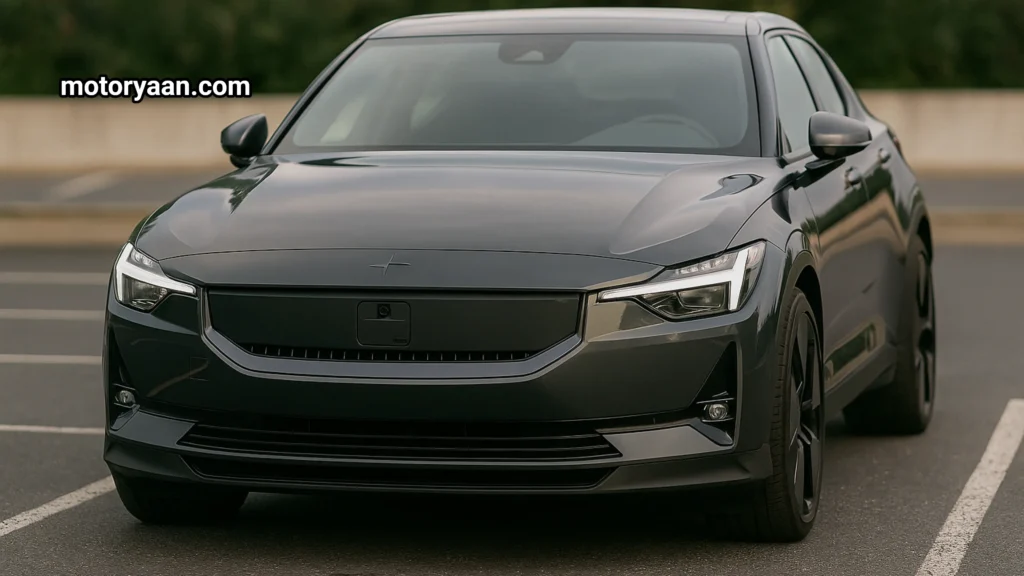
The blanked out front grille continues from the recent update cycle, but the fresh paint and wheel options help the car look current.
Design and Dimensions
The Polestar 2 still looks modern even after half a decade. The body keeps a coupe like silhouette with a liftback design, which gives it an advantage over sedan rivals when loading luggage.
Key points:
Hatchback style opening with powered tailgate as standard
Boot space can hold seven carry on suitcases under the parcel shelf
Additional storage under the boot floor
Small front boot suitable for charging cables
60/40 split rear seats with a ski hatch
Coupe roofline reduces rear headroom
The Tesla Model 3 continues to offer more total boot volume, including a larger frunk.
Powertrain Updates: From Front Wheel Drive to Rear Wheel Drive
One of the biggest mechanical updates arrived earlier in 2023 when Polestar switched the single motor versions from front wheel drive to rear wheel drive.
Why the change matters:
Front wheel drive EVs often struggle with traction because the wheels must both steer and deliver power
Rear wheel drive improves traction, reduces wheel spin, and increases efficiency
Similar to the Tesla Model 3 and BMW i4, long range versions now use a rear axle motor
The dual motor version adds a second motor on the front axle, giving it more power and four wheel drive capability. However, it also adds more weight and slightly reduces range.
Battery, Range, and Charging
The Polestar 2 is available in three battery configurations. Below is a simplified breakdown:
Battery Options and Range
| Version | Battery (usable) | Official Range |
|---|---|---|
| Standard Range | 67 kWh | 344 miles |
| Long Range Single Motor | 79 kWh | 408 miles |
| Long Range Dual Motor | 79 kWh | 369 miles |
Rival comparison:
Tesla Model 3 Long Range offers up to 466 miles
BMW i4 offers less range than the Polestar 2 Long Range
MG IM5 charges faster and starts under £40,000
Charging Performance
Larger 79 kWh battery versions can charge at up to 205 kW
A 10 to 80 percent top up takes around 28 minutes in ideal conditions
Tesla Model 3 Long Range charges slightly quicker
MG IM5 can complete the same charge in just 17 minutes
Pricing and Tax Details
Standard Range Polestar 2 starts at just over £45,000
Long Range dual motor version starts at around £53,000
£4,000 price difference between Standard and Long Range
All new Polestar 2 buyers must pay the luxury car tax of £425 for five years
Tesla Model 3 and MG IM5 avoid this tax because they start under £40,000
Interior Quality and Comfort
The cabin of the Polestar 2 continues to be one of its strongest points. Material quality is high and the design feels premium.
Interior highlights
Excellent build quality with dense materials
Optional Bridge of Weir leather pack (approx £2,600)
Standard dark grey faux leather available
Optional Bowers and Wilkins 14 speaker sound system for £1,800
Gold seatbelts included with the performance pack
Rear Seat Experience
This is where the Polestar 2 shows some limitations:
Limited headroom due to coupe like roof
Less legroom than a Tesla Model 3
Large centre floor hump reduces comfort for the middle passenger
Rear windows are small, adding to a cramped feel
Children will be fine, but tall adults will find the rear tight.
Front Seat Experience
More space and better visibility
Comfortable seats with good support
Plenty of adjustment in both seat and steering
Storage space is surprisingly limited due to a bulky centre console
Door pockets are narrow and the main cubby is small
Infotainment and Features
The infotainment has a faster processor for 2025 onward models, but the system still feels a bit clunky.
Key points:
Apple CarPlay and Android Auto included
Smartphone mirroring is wired, not wireless
Native interface is laggy compared to Tesla and BMW
Optional sound system is one of the best in this price range
One genuinely convenient feature is the absence of a start and stop button. Just get in, press the brake, engage drive, and the car is ready. When you stop and exit, the car switches off automatically.
Driving Experience
The Polestar 2 delivers predictable performance, but it is not the sportiest choice in its class.
Performance
Standard Range model is already quick
Dual motor version does 0 to 60 mph in 4.3 seconds
With the performance pack, it drops to 4 seconds
Acceleration feels smooth and controlled. Brake feel is slightly wooden initially, but progresses nicely with more pedal input.
Regenerative Braking Modes
Off
Low
One pedal drive (slows to a complete stop)
Ride and Handling
Here is where the driving experience becomes mixed:
Positive:
Predictable throttle response
Stable highway behaviour
Negative:
Ride quality is not class leading
Performance pack makes the ride uncomfortably firm
Adjusting the Ohlins dampers requires manually crawling under the car
Not very agile due to the 2.1 ton weight
Steering is slow, more suited to comfort than sporty driving
Noticeable road noise, especially with 20 inch wheels
Efficiency
In a large range test:
Polestar 2 Long Range Single Motor: 4.2 miles per kWh
Tesla Model 3 RWD: 4.4 miles per kWh
The difference is small, but Tesla remains slightly ahead.
Which Version Makes the Most Sense
After evaluating performance, charging, pricing, and comfort, here is the simplest recommendation:
Best Value
Standard Range Single Motor
Ideal for most buyers. It is quick enough, has respectable range, and is significantly cheaper.
For Long Distance Users
Long Range Single Motor
Good balance of efficiency, comfort, and charging speed.
Avoid
Performance Pack
It adds cost, adds discomfort, and does not offer enough handling improvement to justify it.
Conclusion
The 2026 Polestar 2 retains plenty of strengths including a high quality interior, smooth performance, solid charging capability, and a premium feel. But it also shows its age through limited rear space, a firm ride, and higher pricing than some rivals.
If you stick to the standard or long range single motor versions, the Polestar 2 remains a confident, well built electric car that suits daily driving and long journeys alike.
Polestar 2 FAQs
What are the key updates for the 2026 Polestar 2?
The 2026 Polestar 2 features minor cosmetic changes including new paint colors like June and Vapor, and optional 20-inch performance five-spoke alloys with the performance pack. Internally, there are new interior trims such as the Bridge of Wear leather with light ash deco option.
How does the Polestar 2 handle charging?
The larger battery versions support up to 205 kW charging, reaching 10 to 80% in around 28 minutes. Comparatively, the Tesla Model 3 long range charges slightly faster and the MG IM5 reaches 80% in just 17 minutes.
How practical is the boot and interior space?
The Polestar 2 is a hatchback with a powered tailgate. It fits seven carry-on suitcases under the parcel shelf. Rear seats split 60/40 and include a ski hatch. Front storage is limited, but the front boot can stow charging cables. Rear space is slightly cramped for tall adults due to coupe-like shape and floor hump.
How is the interior quality and comfort?
The interior is upmarket with dense materials and solid build quality. Options include Bridge of Wear leather with light ash trim or faux leather with black ash. Seats are comfortable with good adjustment and support. Optional Bowers and Wilkins sound system with 14 speakers enhances the premium experience.
What is the driving experience like?
The Polestar 2 delivers smooth acceleration, predictable brakes, and three regenerative braking modes. The dual motor version can accelerate from 0-60 mph in 4.3 seconds, or 4 seconds with the performance pack. Ride comfort is firm with optional Ohlins suspension and handling is adequate but not sporty due to its weight of over 2.1 tons.
What are the main competitors and pricing?
The Polestar 2 competes with the Tesla Model 3, BMW i4, and MG IM5. Standard range starts just over £45,000, dual motor from £53,000. Tesla Model 3 and MG IM5 start below £40,000 and avoid the £425 luxury car tax applicable to Polestar 2 owners.