2026 Toyota BZ Woodland: The Electric Outback Toyota Didn’t Call an Outback
Table of Contents
Toyota electric cars have evolved quickly. It started with the Toyota bZ4X. For 2026, Toyota updated it heavily under the skin and simplified the name to just the Toyota BZ.
Now we have this. The Toyota BZ Woodland.
And honestly, this might be the most interesting EV Toyota makes right now.
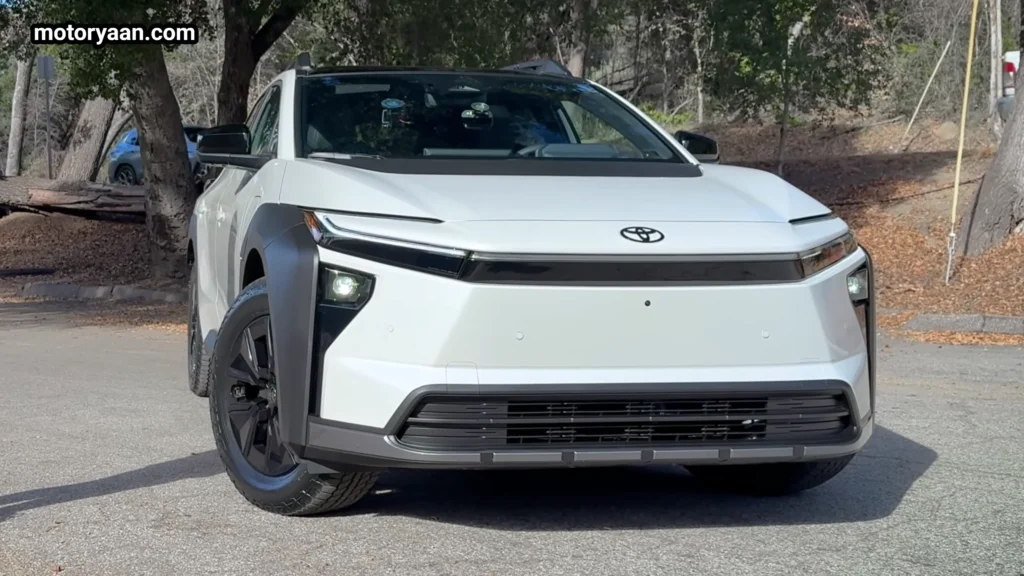
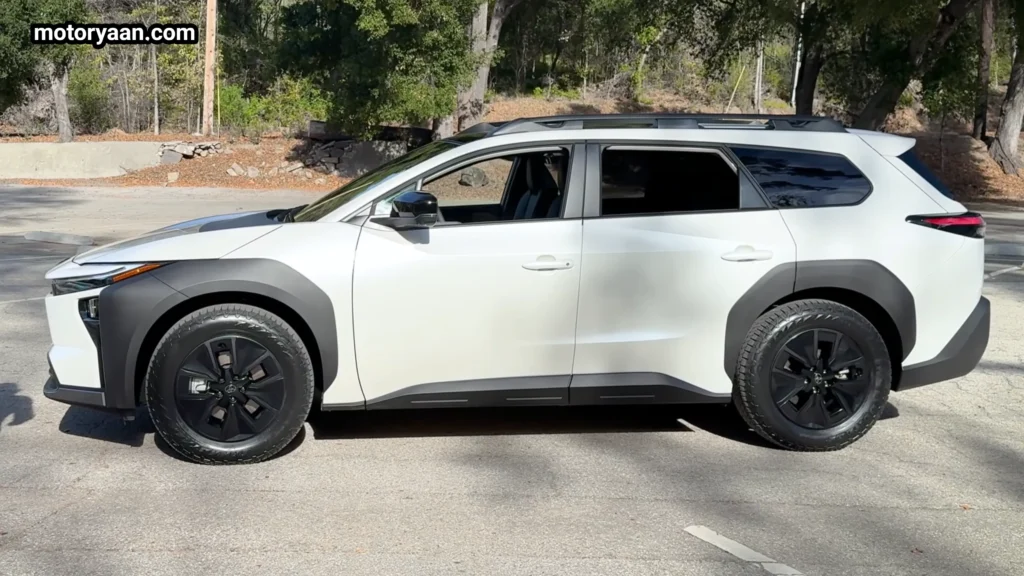
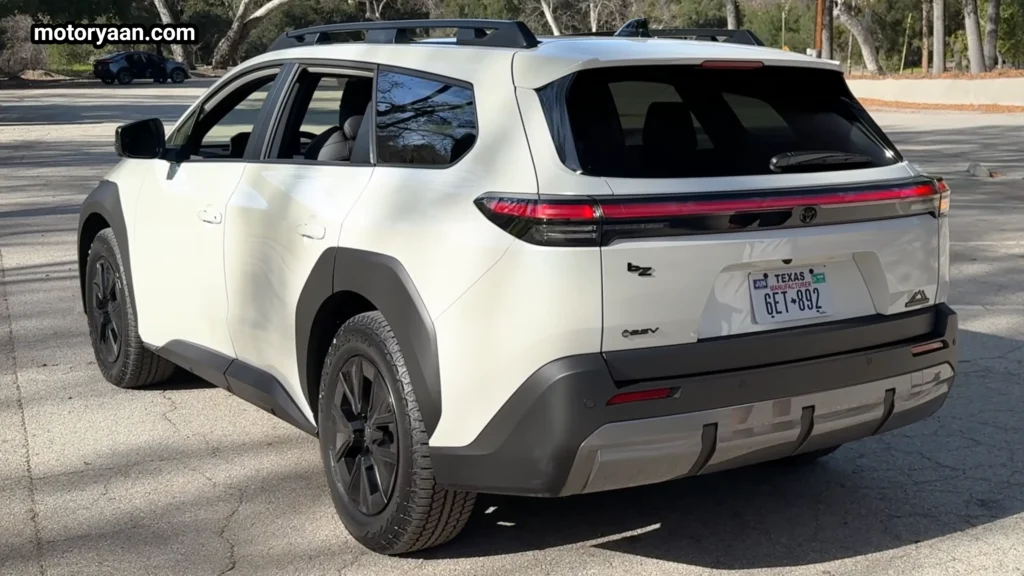
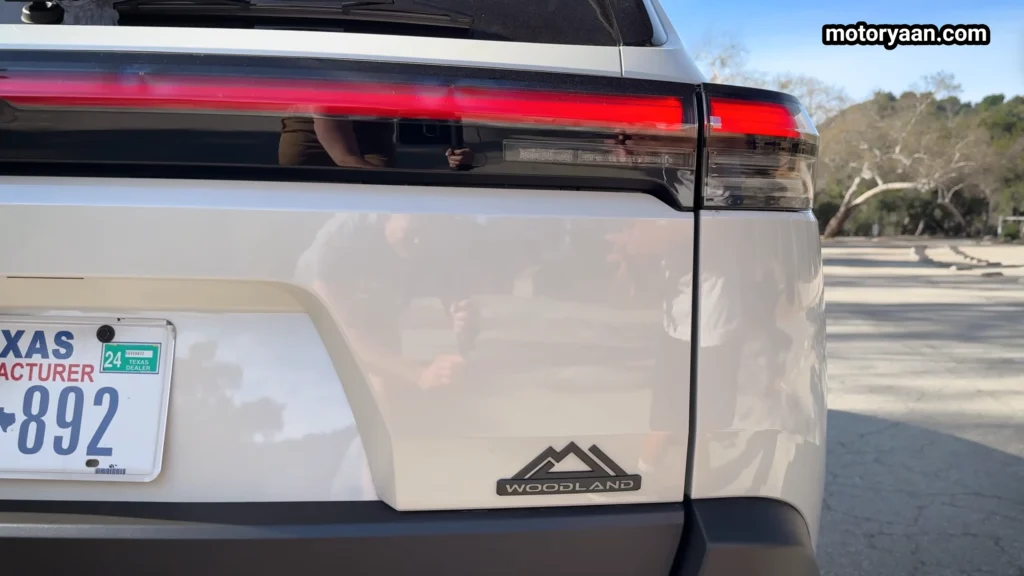
It looks familiar. From the front, it is clearly a BZ. From the side and rear, though, it feels like a mix of Toyota Crown Signia and Subaru Outback. That is not a coincidence.
The BZ Woodland is built in a Subaru factory and shares major components with the Subaru Trailseeker. This is Toyota and Subaru collaboration at its most obvious.
Let’s break it down properly.
Powertrain and Performance
Here is where things get interesting.
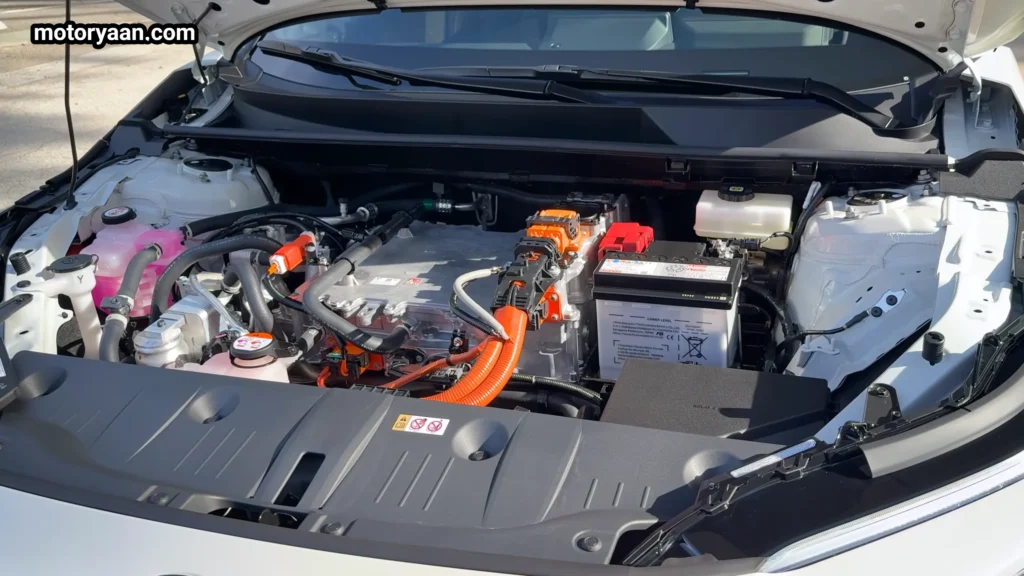
The BZ Woodland uses a dual motor setup:
375 horsepower
Around 200 lb ft of torque per motor
Symmetrical all wheel drive
74.7 kWh battery pack
Toyota claims up to:
281 miles of range on all season tires
260 miles with all terrain tires
Charging specs:
150 kW DC fast charging
10 to 80 percent in about 30 minutes
11 kW Level 2 AC charging
NACS charging port
The NACS port means easy access to Tesla Superchargers across North America. That is practical thinking.
It also fixes one major complaint from early bZ4X and Subaru Solterra owners. Preconditioning is now properly integrated, which helps cold climate charging performance.
0 to 60 mph
Toyota says 4.4 seconds.
That makes this the quickest BZ family member. Not bad for something positioned as the practical one.

Exterior Design: Rugged, But Not Overdone
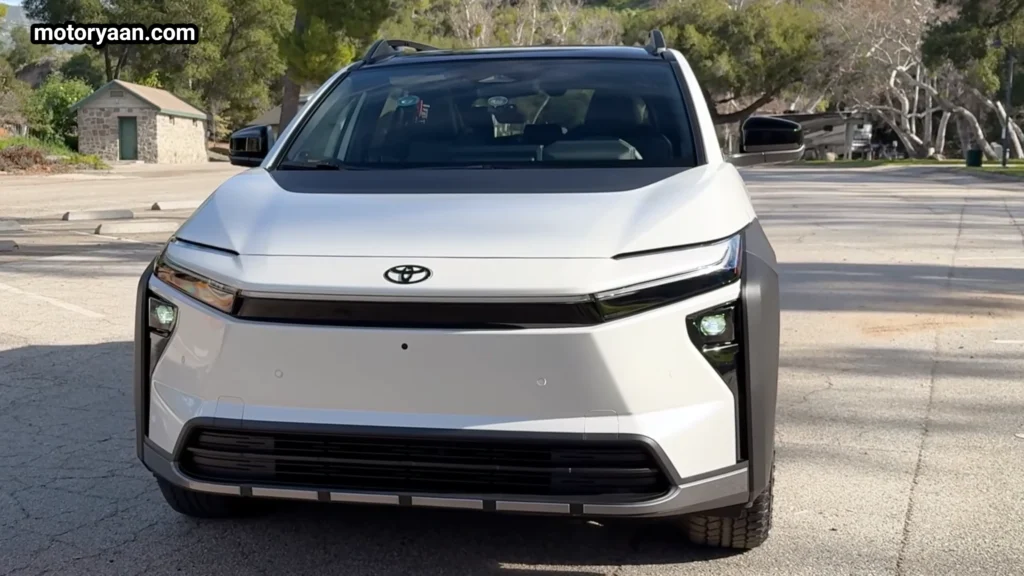
At first glance, the BZ Woodland looks like a regular BZ. That hammerhead front design stays. It works, so Toyota kept it.
Look closer and you’ll see the differences:
Extra body cladding
More textured lower panels
8.4 inches of ground clearance
Standard 18 inch wheels
Optional 18 inch all terrain tires at zero cost
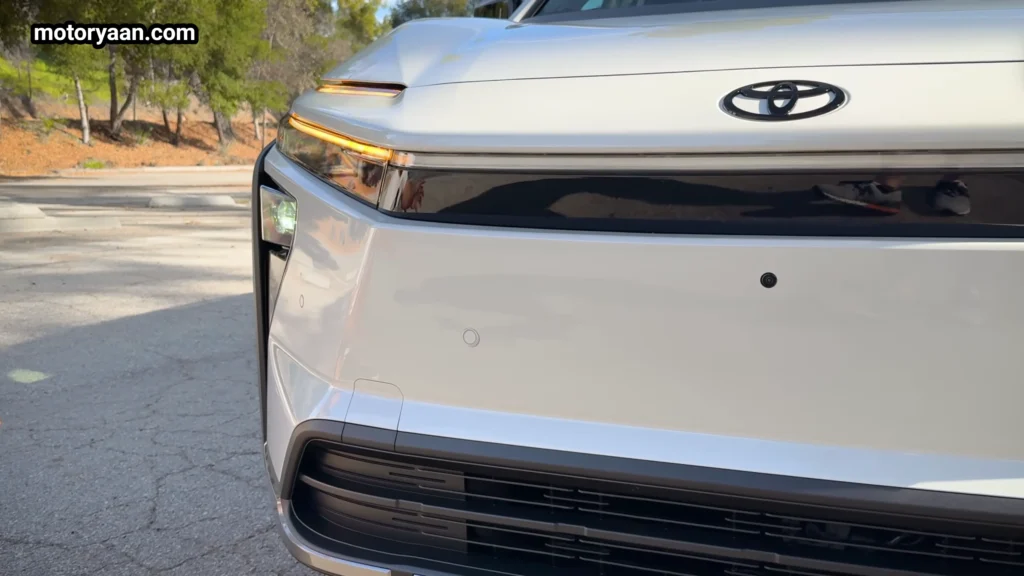
There is no massive grille, obviously. The front dimples are for parking sensors and cameras. Function over fake aggression.
The black plastic cladding reminds you of Subaru. That is intentional. It makes owners feel more comfortable taking it off the pavement. And with 8.4 inches of clearance, you actually can.
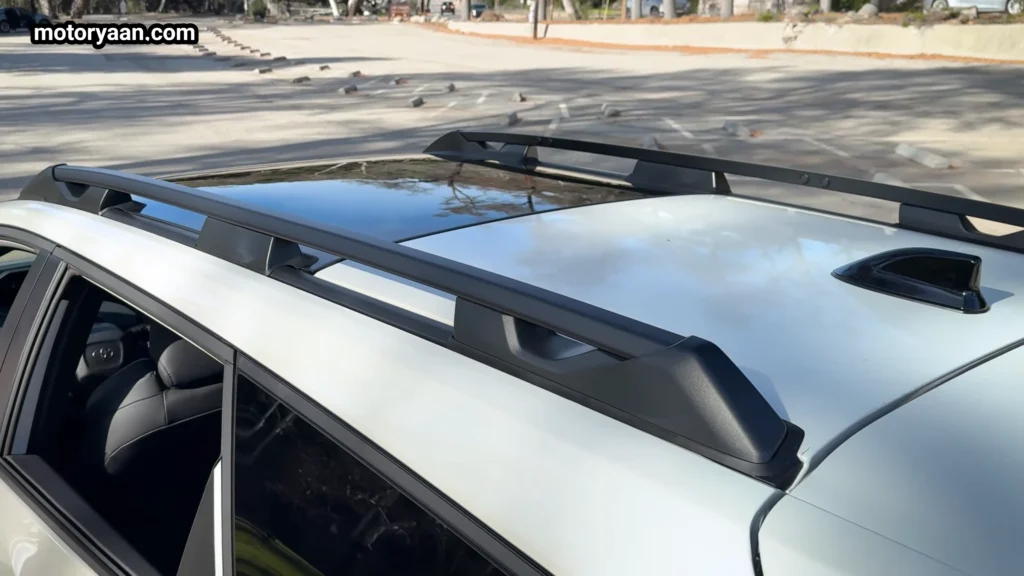
It is about 190 inches long. Not massive. Not intimidating. Easy to see over if you are around 6 feet tall. Easy to load roof gear too.
This is not a hulking electric truck like the Rivian R1S. It is more sensible. And it costs far less.


Towing and Practicality: Real World Usability
Toyota did not remove useful hardware just for style.
You get:
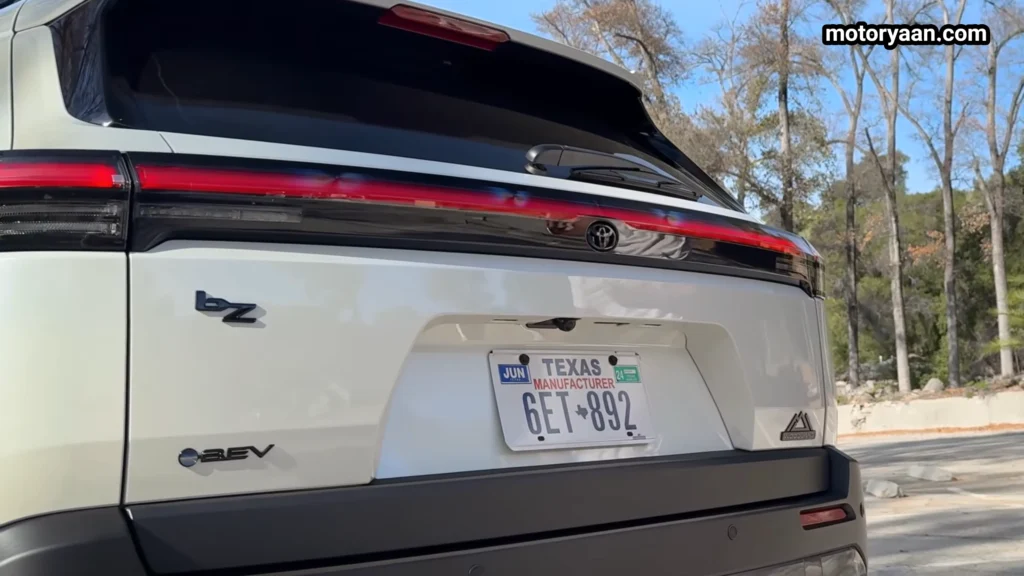
Rear wiper
3,500 lb towing capacity
Roof ready practicality
Proper cargo solutions
3,500 lb is not for huge campers. But it easily handles small trailers, teardrop campers, and utility trailers. For many buyers, that is enough.
Interior: Smart, But Some Odd Decisions
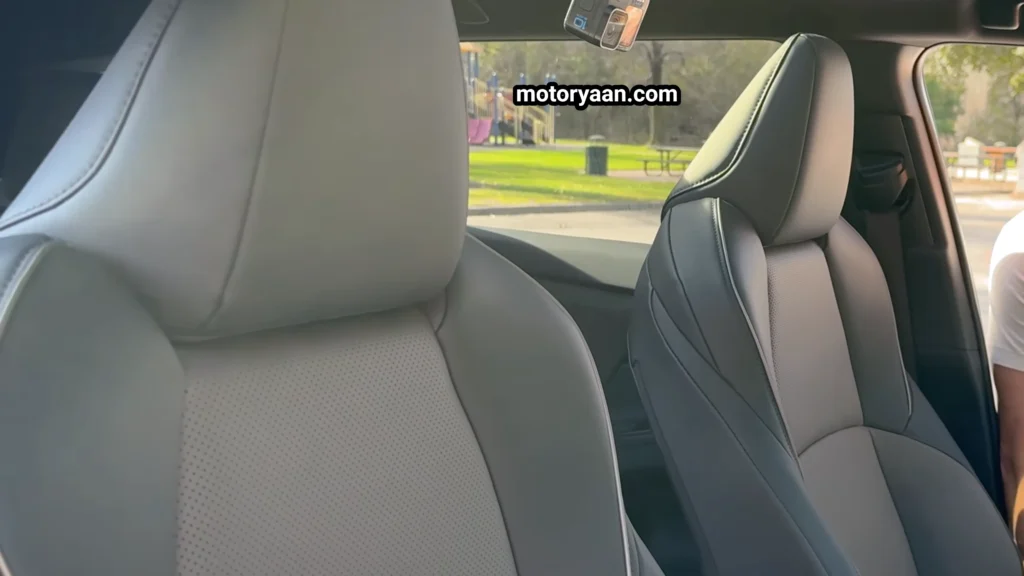
Inside, you get:
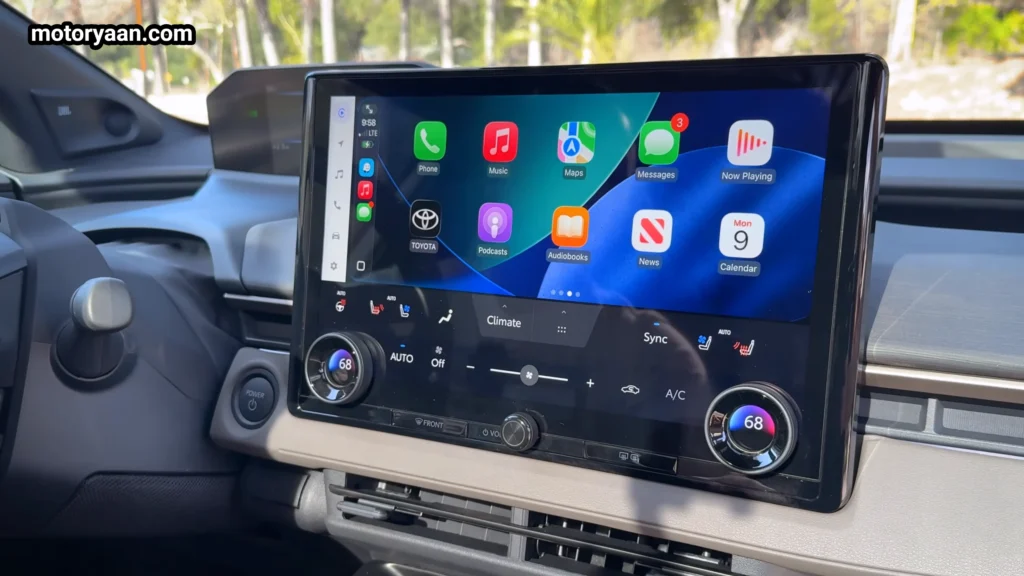
14 inch touchscreen
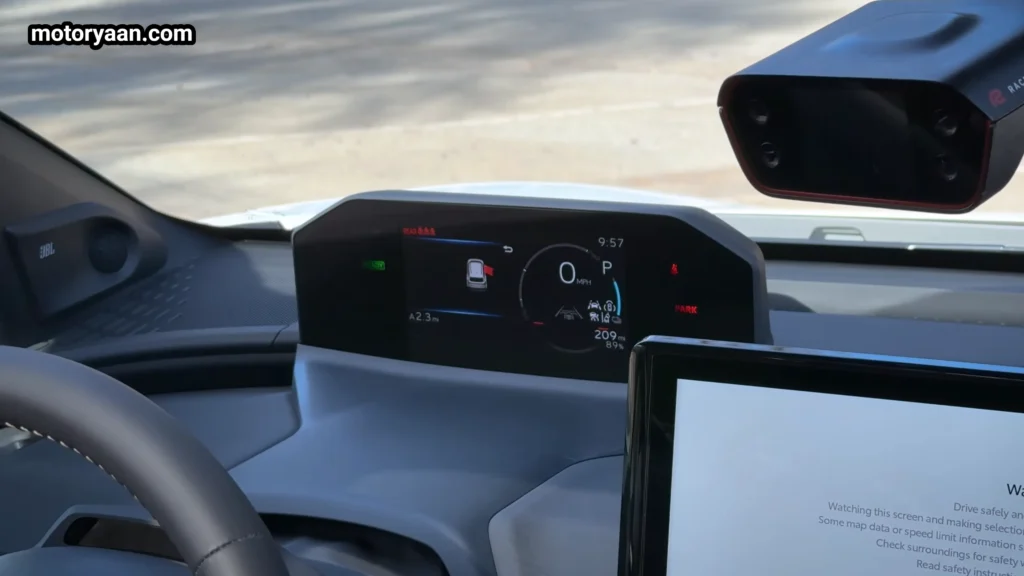
7 inch driver display mounted high
Synthetic upholstery
8 way power driver seat
Heated front seats standard
Panoramic glass roof with shade
The screen runs Toyota latest software. Wireless phone projection works with Android and iPhone.
Physical climate knobs exist for temperature. But airflow direction lives inside the touchscreen. Not ideal.
There is no traditional glovebox. That will annoy some people.
Rear seat highlights:
Heated outboard seats
Two 60 watt USB C ports
Reclining seats
Fold down armrest with cup holders
Good legroom even behind a 6 foot driver
Headroom is tight but usable, even with the panoramic roof.


Cargo Space: This Is Where It Makes Sense
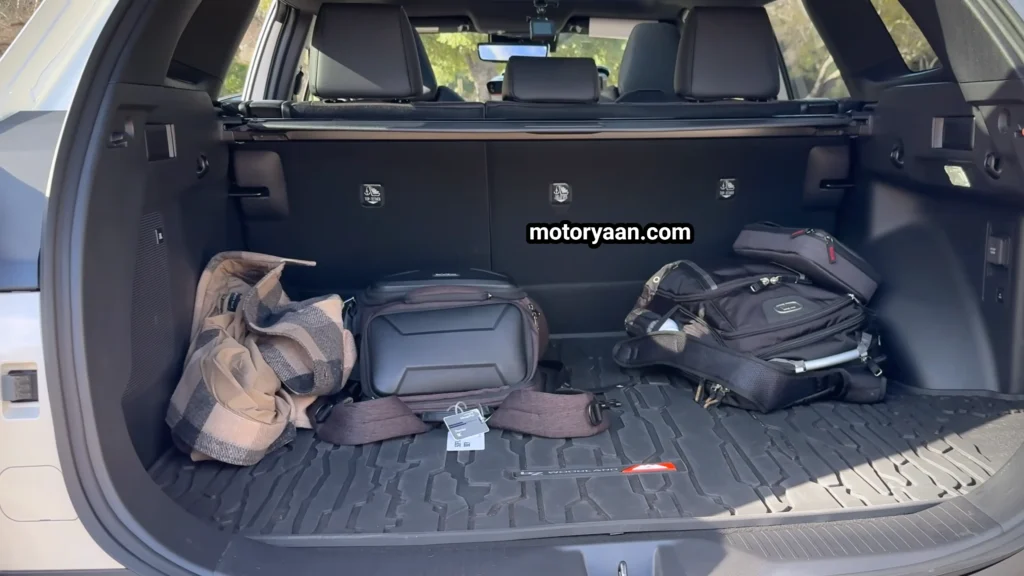
With rear seats up, cargo capacity stands at:
33.8 cubic feet
Fold the seats down and you get:
74.3 cubic feet
If you opt for the JBL sound system, you lose about 0.5 cubic feet. Not a deal breaker.
Other useful touches:
Rolling cargo cover instead of a rigid panel
Underfloor storage
1,500 watt power outlet in the rear
60 by 40 split folding seats
Nearly flat load floor
That 1,500 watt outlet matters. Camping, laptops, coffee machines at a soccer game. It turns the car into a portable power source.
There is no spare tire. That is the compromise.

Driving Impressions: Comfortable First, Fast When Needed
The BZ Woodland feels balanced.
It leans toward comfort. Suspension tuning prioritises daily usability over sharp corner carving. That fits its purpose.
It stays quiet at speed. Road noise remains low. The ride feels composed on rougher back roads.
Compared to electric trucks, this feels:
Easier to park
More nimble
More comfortable for daily commuting
It is not trying to be a hardcore adventure EV. It simply gives you the option.
Price and Variants
Starting price:
46,750 dollars
Limited trim:
48,850 dollars
There are no expensive option packages. Tire choice costs zero extra.
That pricing places it in the middle ground. Not luxury six figure EV territory. Not entry level either.
How It Fits in Toyota’s EV Strategy
The BZ Woodland shares its platform with:
Toyota BZ
Toyota C HR EV
Subaru Trailseeker
Toyota can adjust wheelbase, body style, and suspension while keeping core components common. That lowers costs and speeds up development.
This modular EV strategy mirrors what many global manufacturers now do. According to Toyota official product briefings and platform disclosures, shared architecture reduces production complexity while increasing scale efficiency.
For buyers, it means better pricing and proven hardware.
Final Thoughts
The BZ Woodland feels like Toyota looked at the Outback formula and translated it into an electric format.
It gives you:
Real cargo space
Real ground clearance
Real towing ability
Strong performance
Practical range
It does not pretend to be a luxury flagship. It does not overpromise off road heroics.
It feels like a daily driver that happens to be electric.
For buyers coming from a Crown Signia, a Subaru Outback, or even a traditional hybrid, this might be the logical next step.
And honestly, this might be the first Toyota EV that feels complete.
If this is the direction Toyota takes with its electric lineup, things are finally getting interesting.
Sources and reference
- Toyota USA Press Release (Official)
https://pressroom.toyota.com/toyotas-all-electric-lineup-gains-rugged-powerful-new-bz-woodland-suv/ - Toyota Global Newsroom
https://global.toyota/en/newsroom/toyota/42757175.html - Official Toyota Product Page
https://www.toyota.com/upcoming-vehicles/bzwoodland/ - Car and Driver – bZ Woodland overview
https://www.caranddriver.com/toyota/bz-woodland/ - Car and Driver – First drive
https://www.caranddriver.com/reviews/a70345585/2026-toyota-bz-woodland-drive/ - InsideEVs – bZ Woodland coverage
https://insideevs.com/news/759617/2026-toyota-bz-woodland-offroad-ev/ - EV.com – spec summary
https://ev.com/news/toyota-2026-bz-woodland-suv-260-miles-range-nacs-port
2026 Toyota BZ Woodland FAQs
What is the Toyota BZ Woodland?
The Toyota BZ Woodland is a more rugged and practical version of the updated 2026 Toyota BZ electric SUV. It builds on the foundation of the earlier bZ4X, adds more power, more cargo space, and light adventure capability, and sits as one of the most practical models in Toyota growing BZ EV family.
Is the BZ Woodland related to Subaru?
Yes. The BZ Woodland is built in a Subaru factory and shares key components with the Subaru Trailseeker. It even uses Subaru X Mode software for added traction control in low grip conditions.
How much power does the 2026 BZ Woodland make?
The BZ Woodland uses a dual motor all wheel drive setup that produces 375 horsepower. Each motor delivers roughly 200 lb ft of torque, making it the most powerful model in the current BZ lineup.
What is the 0 to 60 mph time?
Toyota claims a 0 to 60 mph time of about 4.4 seconds. That makes it surprisingly quick for a practical family focused electric SUV.
What is the driving range?
With the 74.7 kWh battery pack, the estimated range is up to 281 miles on 18 inch all season tires. If you choose the 18 inch all terrain tires, range drops slightly to around 260 miles.
How fast does the BZ Woodland charge?
DC fast charging tops out at 150 kW. Toyota estimates a 10 to 80 percent charge in about 30 minutes under ideal conditions. It also supports 11 kW Level 2 charging at home. The vehicle uses a NACS charging port, making it compatible with Tesla Superchargers in supported regions.
Does the BZ Woodland have good cargo space?
Yes. It offers 33.8 cubic feet of cargo space with the rear seats up. Folding the 60 40 split rear seats expands capacity to about 74.3 cubic feet. Models equipped with the JBL sound system lose around 0.5 cubic feet of space.
Can the BZ Woodland tow?
Yes. The BZ Woodland is rated to tow up to 3,500 pounds. That makes it suitable for small campers, cargo trailers, and lightweight adventure gear.
How much ground clearance does it have?
The BZ Woodland offers 8.4 inches of ground clearance. Combined with available all terrain tires and standard all wheel drive, it is designed to handle light off road use and rough back roads.
What are the interior highlights?
The cabin features a 14 inch touchscreen, a high mounted 7 inch driver display, heated front seats, available heated rear outboard seats, dual wireless phone chargers, and multiple USB C ports including 60 watt rear chargers. It also includes a panoramic glass roof with a power shade.
Does it have a front trunk?
No. The BZ Woodland does not offer a front trunk. Toyota prioritised the dual motor layout and overall packaging instead.
What is the starting price?
The 2026 Toyota BZ Woodland starts at 46,750 dollars. The Limited trim starts at 48,850 dollars. Toyota does not offer expensive option packages, and switching between all season and all terrain tires does not cost extra.
Is the BZ Woodland better than the original bZ4X?
Yes. Compared to the earlier bZ4X and related Subaru Solterra, the BZ Woodland benefits from improved power, better battery performance, more efficient all wheel drive, battery preconditioning for cold climates, and overall better practicality.