Volkswagen Amarok W600 Walkinshaw first look
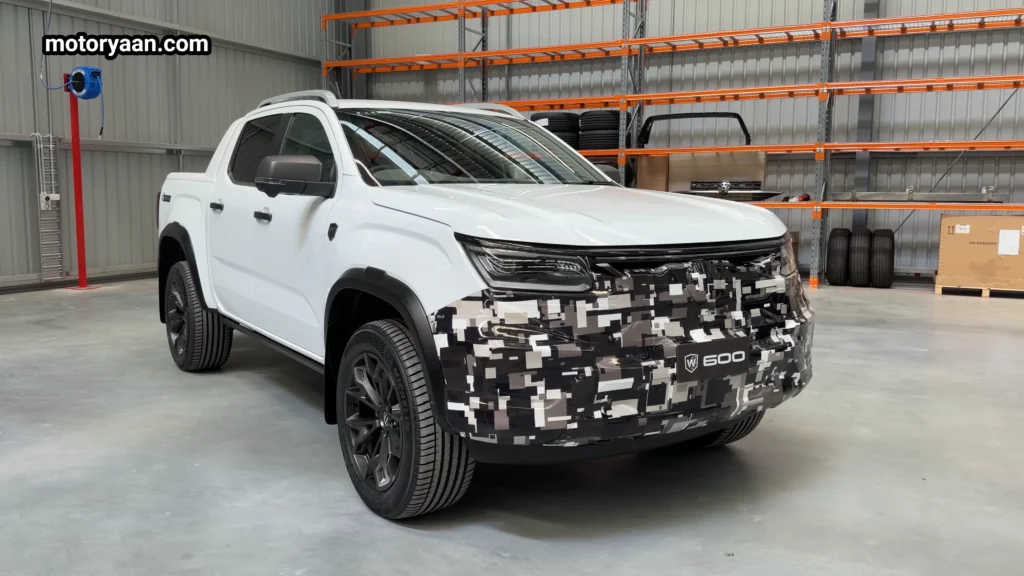
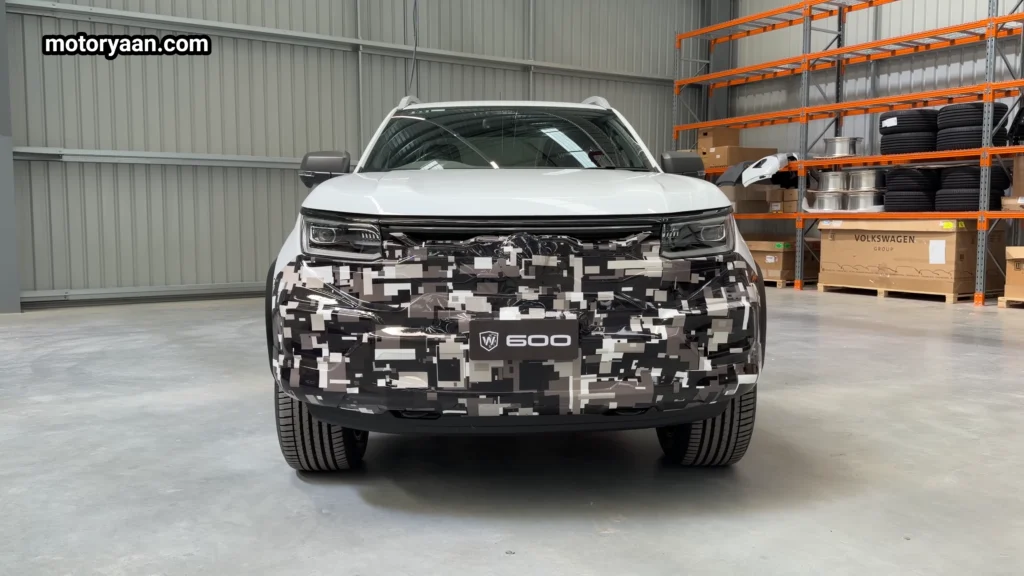
This is an early look at the upcoming Volkswagen Amarok W600, developed in Australia by Walkinshaw Automotive Group. It is not finished yet, it is still a pre production vehicle, and the front end remains camouflaged. Even so, there is already a lot going on here.
The W600 is positioned as the halo Amarok. Unlike earlier Walkinshaw builds that leaned more toward off road upgrades, this one focuses heavily on on road handling and driving feel. Think fast road ute rather than rock crawler.
Launch timing is late 2026, with sales expected around the third quarter of that year in Australia.
Why the Walkinshaw Amarok exists
Walkinshaw has worked with Amarok before. The previous W series models built a following because they drove better than standard dual cab utes and still looked different. Owners wanted something that felt quicker, more planted, and more engaging on normal roads.
This new W600 starts much earlier in the Amarok life cycle, which gives it more time in the market compared to the old model that arrived late in the previous generation.
Exterior changes you can already see
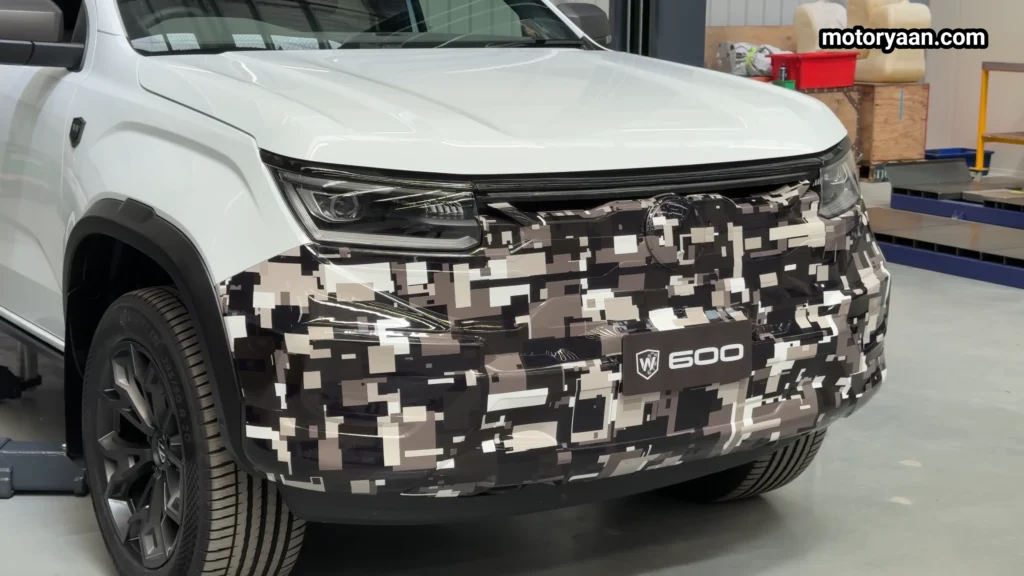
Even with camouflage at the front, the changes are obvious.
Front end highlights
Full width LED light bar connecting the headlights
Repositioned Volkswagen badge that now houses camera and safety sensors
Revised airflow paths behind the camo for cooling and aero validation
Completely new front body panels compared to a standard Amarok
Moving the badge may sound small, but it forces recalibration of driver assistance systems. That work is already done here.


Side profile
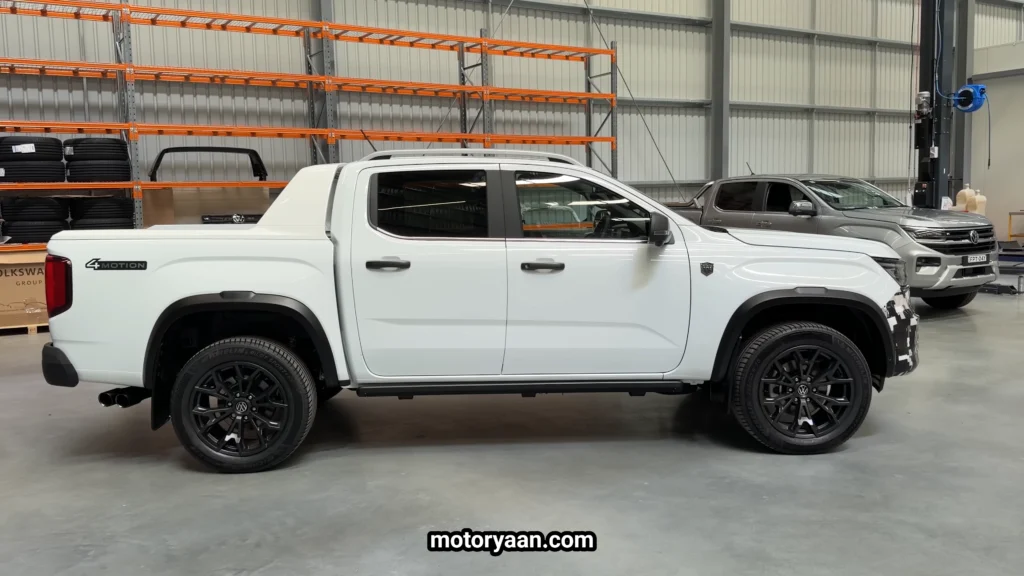
From the side, this W600 looks nothing like a regular Volkswagen Amarok, and that is mainly because of the width. The track is wider, the wheels sit further out, and the bodywork has been reshaped to actually cover all of that instead of pretending it does.
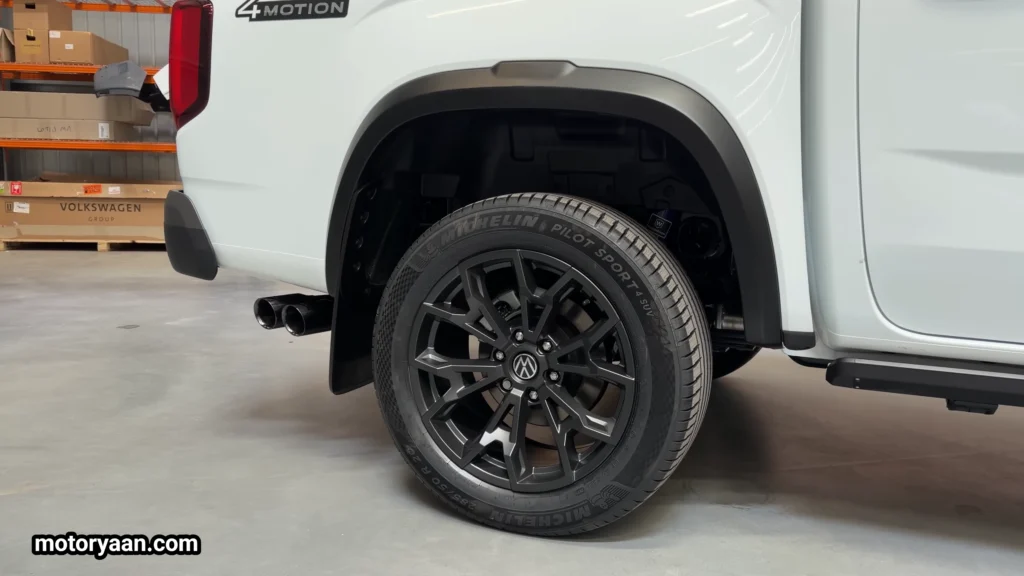
The 20 inch wheels fill the arches properly. They are not tucked in, and they do not look like an afterthought. Walkinshaw has extended the wheel arches to suit the extra width, so everything lines up cleanly. It looks planted, low, and properly sorted rather than lifted or oversized.
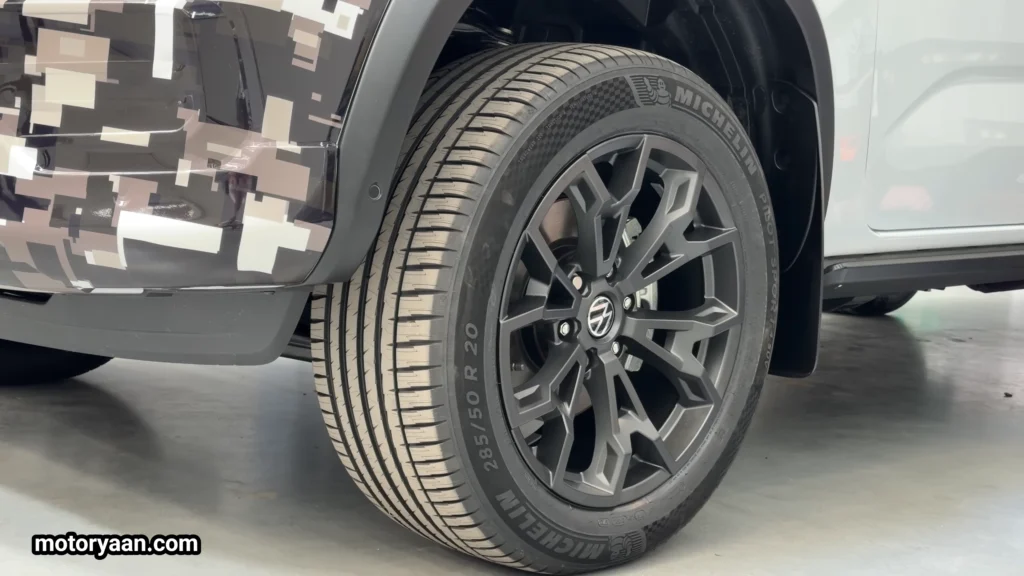
The tyres play a big role here. Michelin Pilot Sport 4 SUV rubber is not something you expect to see on a dual cab ute, and visually you can tell this is an on road setup. The sidewall is not chunky, and the stance is more performance SUV than workhorse ute.
One detail that stands out in daily use is the powered side steps. They fold out neatly when you open the door and tuck back in when you close it. On paper it sounds fancy. In real life, it just makes getting in and out easier, especially given how wide and tall the car now is. The steps do not hang low either, so ground clearance is not ruined.
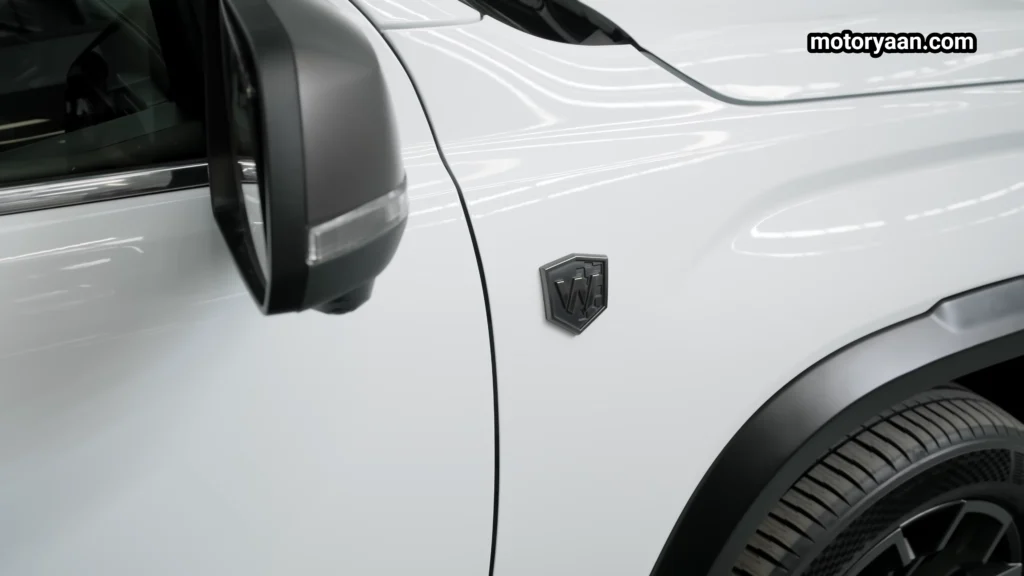
Branding along the side stays restrained. Proper Walkinshaw badges instead of decals, finished in shadow chrome to match the wheels and mirrors. It feels deliberate, not loud.
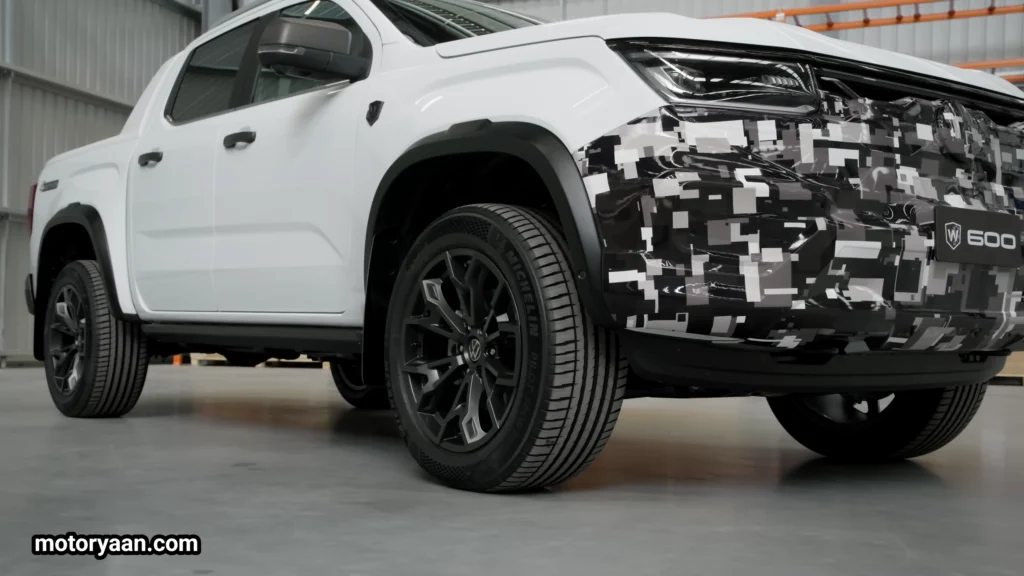
Wheels and stance
This is one of the biggest visual changes.
New 20 inch wheels designed in Australia
Wheels are 51 mm wider per side compared to standard
Overall track increase of roughly 40 mm front and rear
Michelin Pilot Sport 4 SUV tyres
These tyres are a big deal. They are road focused performance tyres, not all terrain rubber. That alone tells you what this ute is about.
The wheels were designed by a former HSV designer, and Walkinshaw went through hundreds of design iterations to land on this final shape.


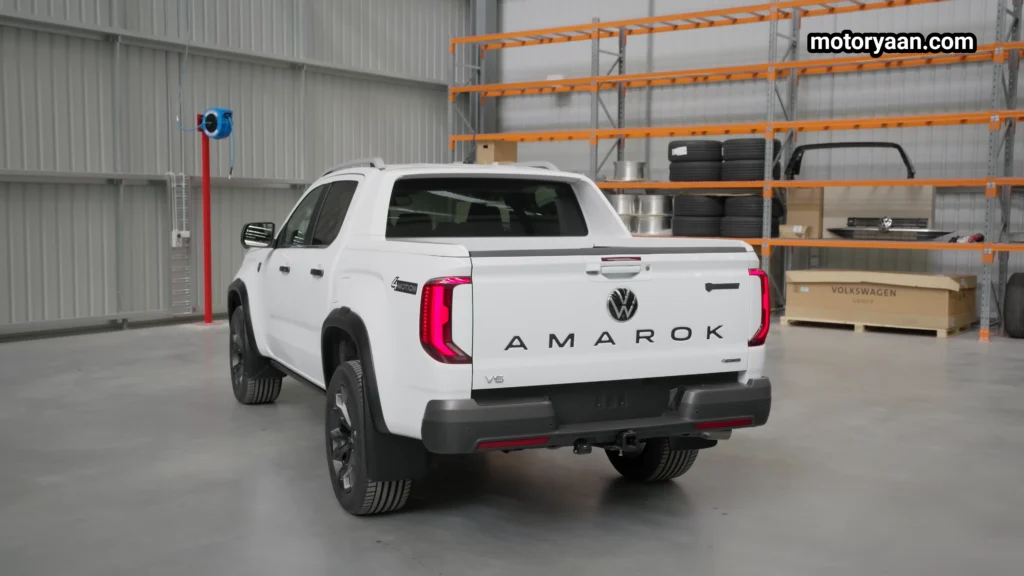
Rear profile
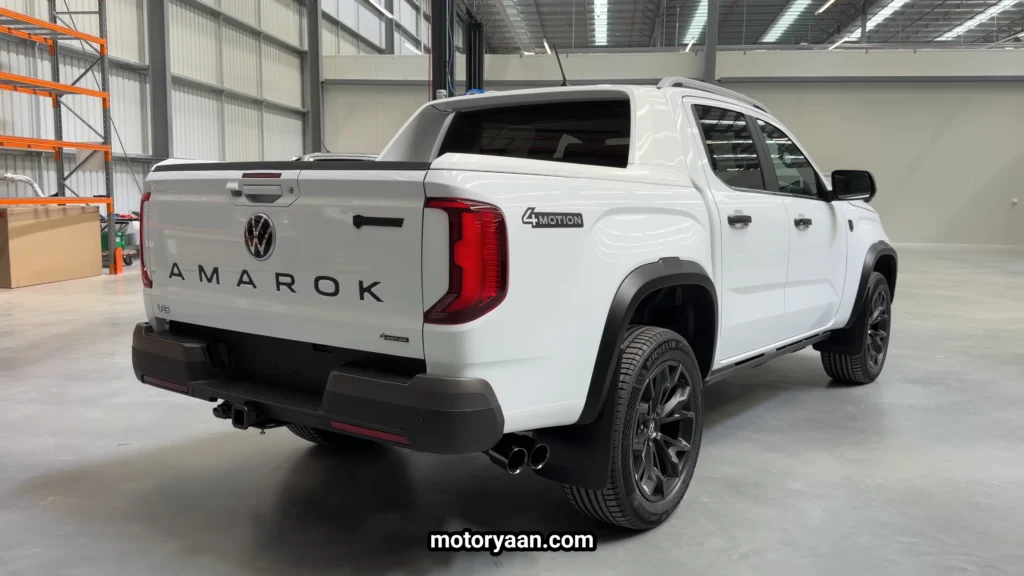
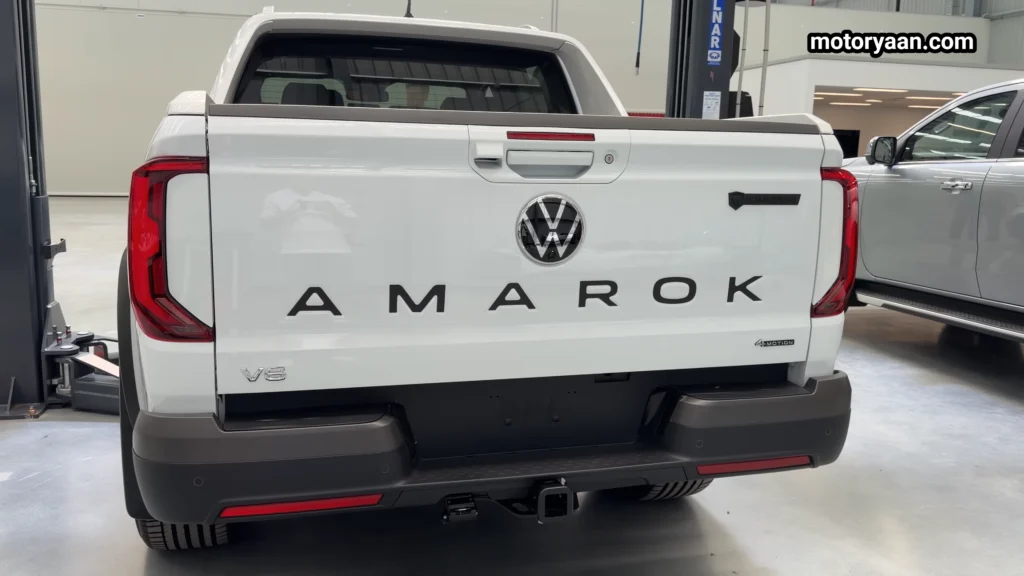
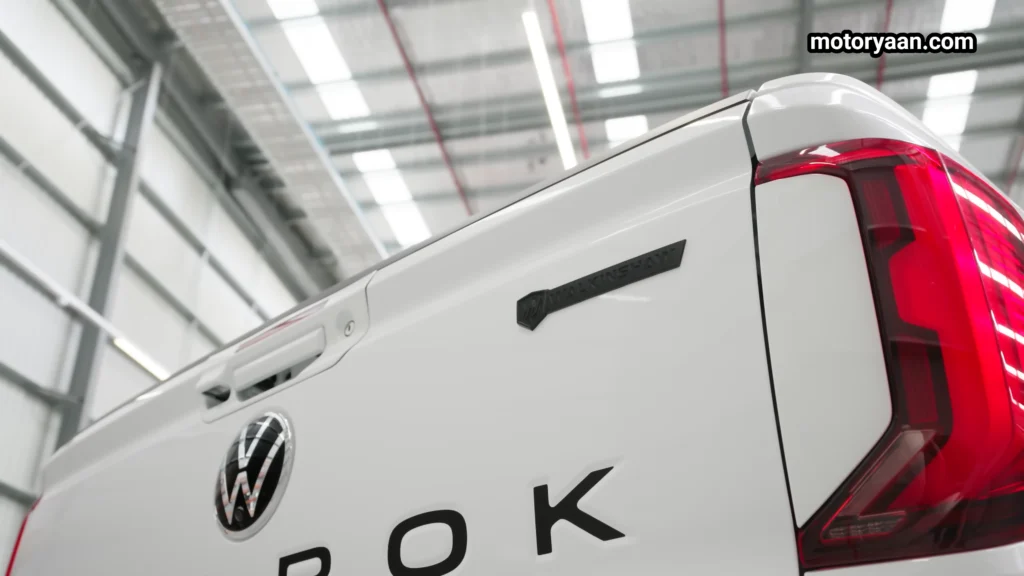
At the rear, the changes are more subtle but still noticeable if you know Amaroks. The bumper has been reworked with darker inserts, and the Amarok lettering uses a different finish that matches the rest of the W600 details.
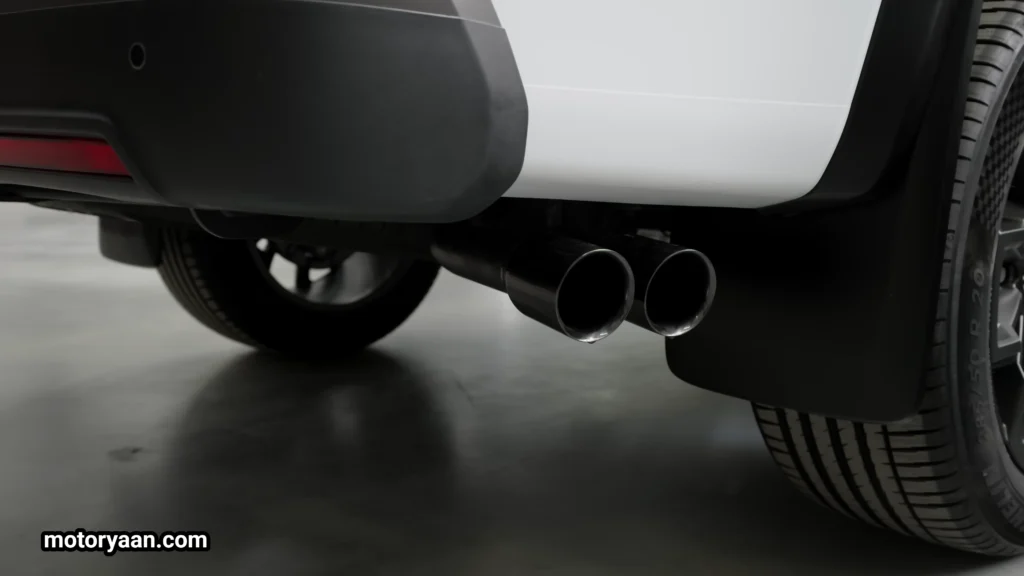
The biggest visual feature back here is the side exit exhaust. This is not just a pair of tips stuck on for looks. The exhaust system has been changed from further forward, and it exits ahead of the rear wheel. The twin 3.5 inch outlets give the W600 a tougher stance from the back three quarter angle, and it already sounds meatier than stock even in this pre production form.
Walkinshaw badging appears again on the tailgate, finished to match the rest of the exterior. No sticker overload, no unnecessary graphics. It looks more premium than aggressive.
The rear track is wider as well, so from behind the ute looks squatter and more stable than a standard Amarok. It does not lean visually like most dual cabs do when viewed from the back.


Side steps and detailing
One clever feature is the electrically deployable side steps.
Automatically extend when the door opens
Designed and engineered in house by Walkinshaw
Tested for long term durability and heavy loads
It sounds like a gimmick until you actually climb in and out of a tall dual cab every day.
Branding stays subtle. These are proper badges, not stickers, with shadow chrome finishes that match the wheels and mirror caps.
Interior upgrades
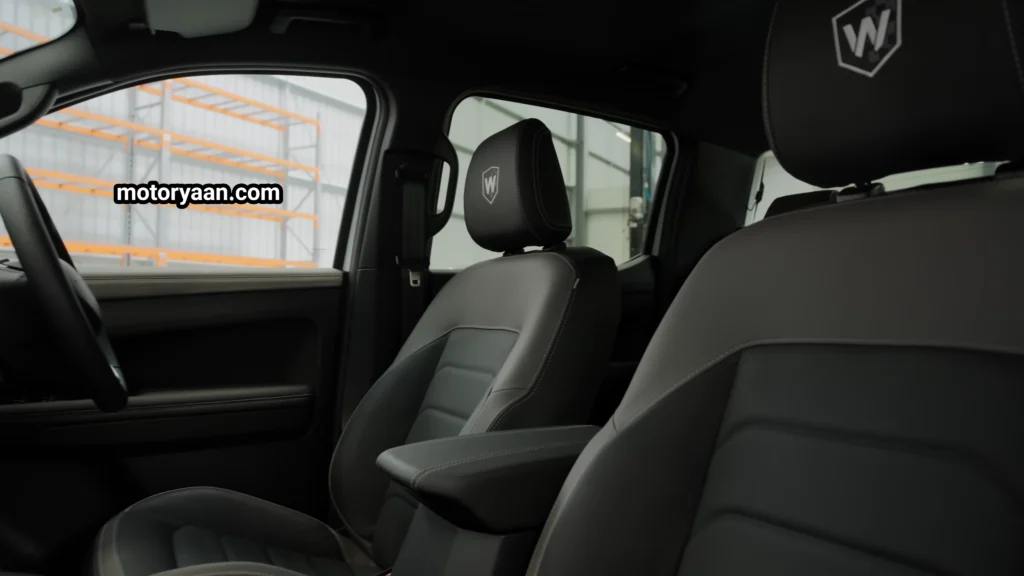
Inside, the W600 stays close to the top spec Amarok because that cabin already works well.
Key additions include
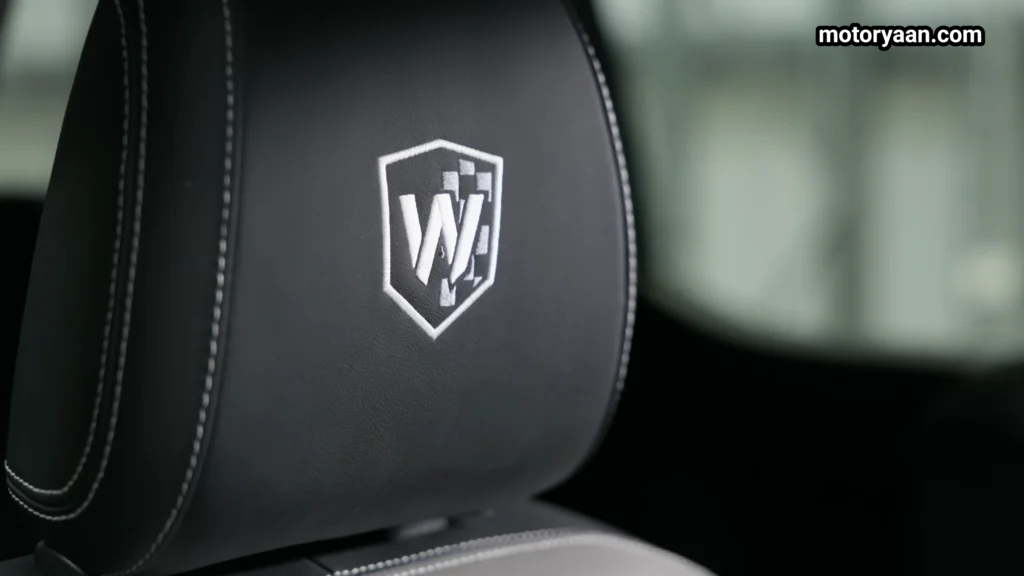
Walkinshaw embroidered headrests
W600 branded floor mats
Metal sill plates
Stainless steel sports pedals
The rest remains familiar Amarok territory with leather trim, large screens, and strong overall quality.


Powertrain details
There are no engine upgrades here, and that is deliberate.
3 litre turbo diesel V6
Around 184 to 190 kW depending on final tune
600 Nm of torque
Ten speed automatic transmission
Full time four wheel drive
Walkinshaw made it clear that power and torque stay stock due to platform and durability limits shared with the Ranger architecture. The focus is chassis tuning, not chasing dyno numbers.
Exhaust system
The exhaust is not just cosmetic.
Full system from the catalytic converter back
Side exit layout
3.5 inch outlets with shadow chrome finish
It already has a deeper tone than a standard Amarok. Final sound tuning will come closer to production.

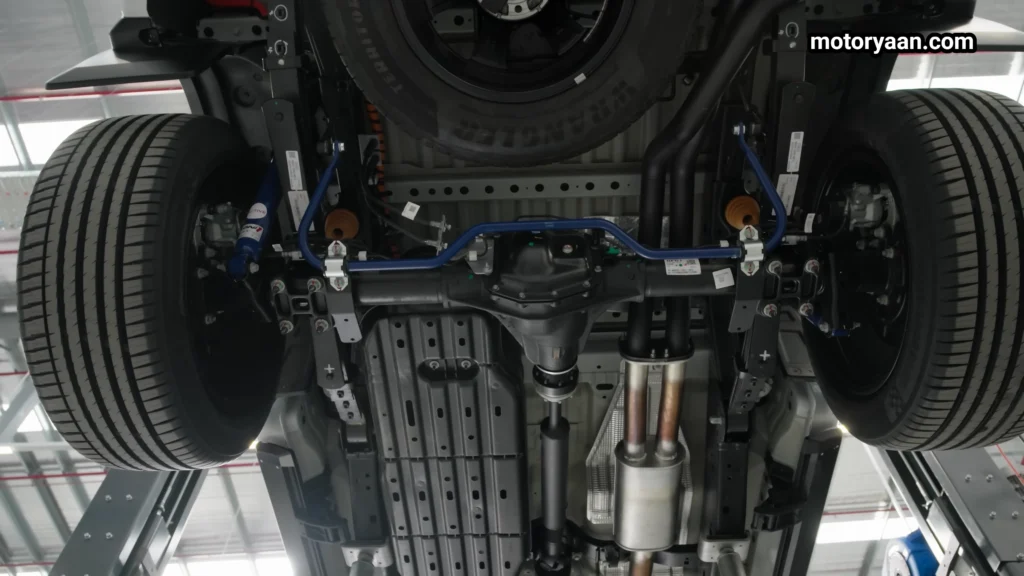
Suspension and underbody changes
This is where most of the engineering effort went.
Dampers
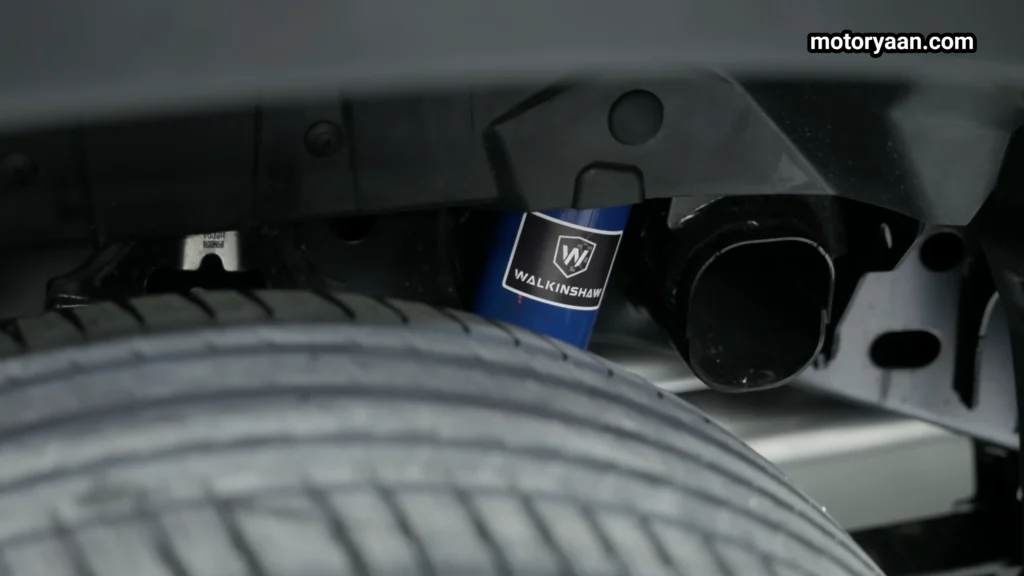
Koni frequency selective dampers
Combines off road durability with on road control
Reacts differently to high and low frequency inputs
In simple terms, the ute stays more settled over bumps and resists body movement better in corners.
Rear sway bar
New 22 mm rear anti roll bar
Custom mounts and revised leaf spring shackles
Designed using simulation to avoid clearance issues
This is a major reason the W600 should corner flatter than a standard Amarok.
What stays unchanged
Standard brake package
No front sway bar changes
Leaf spring rear suspension retained
Brake fade may still be a limitation if driven very hard, but there is room for aftermarket upgrades.


Practicality remains
Despite the handling focus, core ute abilities stay intact.
Expected towing capacity around 3.5 tonnes braked
Tray usability retained
Space for a full size spare wheel
Extra hardware adds weight, but payload figures are not expected to drop dramatically.
Expected price and rivals
Pricing is not confirmed yet. Based on previous Walkinshaw models and current Amarok pricing, expect something in the mid ninety thousand Australian dollar range before on road costs.
That places it close to the Ford Ranger Raptor, but the approach is very different.
Raptor is desert racer inspired. Amarok W600 is road focused and precision tuned.
Early verdict
The Amarok W600 is doing something few others are attempting. It is not chasing off road extremes. It is trying to make a dual cab ute drive properly on the road.
If Walkinshaw delivers on the suspension tuning promise, this could be the best handling Amarok ever made. We will reserve final judgment until a proper drive, but the engineering story here is solid and very Australian in spirit.
Would you pick this over a Raptor, or does the idea of an on road performance ute finally make sense to you.
Volkswagen Amarok W600 Walkinshaw FAQs
What is the Volkswagen Amarok W600?
The Amarok W600 is a Walkinshaw developed version of the current generation Volkswagen Amarok. It is positioned as the halo model and focuses mainly on improved on road handling, stance, and driving feel rather than hardcore off road upgrades.
When will the Amarok W600 go on sale?
The Amarok W600 is expected to go on sale in Australia in Q3 2026. A full driving reveal is likely to happen earlier, around the middle of 2026.
Why is the front end camouflaged?
The front end is fully camouflaged because it uses unique body panels that are different from the standard Amarok. Walkinshaw and Volkswagen are keeping the final design under wraps until closer to the official reveal.
What engine does the Amarok W600 use?
The W600 retains the standard 3.0 litre turbo diesel V6. It produces around 184 to 190 kW and 600 Nm of torque, paired with a 10 speed automatic transmission and four wheel drive.
Does the Amarok W600 get more power than the standard Amarok?
No. Walkinshaw has confirmed there are no changes to power or torque output. The focus is on chassis tuning, suspension, tyres, and overall driving performance.
What suspension changes have been made?
The Amarok W600 uses bespoke Koni frequency selective dampers combined with off road rated hardware. It also adds a rear anti roll bar, revised mounting points, and suspension geometry changes aimed at reducing body roll and improving stability on road.
What tyres and wheels does the Amarok W600 use?
It runs 20 inch wheels designed in Australia, wrapped in Michelin Pilot Sport 4 SUV tyres. These are road focused performance tyres and are a major part of the W600 driving character.
Is the Amarok W600 designed for off road use?
It can still be driven off road, but that is not its main purpose. The W600 is clearly tuned for on road performance, steering feel, and cornering confidence rather than extreme off road articulation.
Does it keep the Amarok towing and payload capability?
Yes. Walkinshaw expects the W600 to retain around a 3.5 tonne braked towing capacity and usable payload figures. Any changes will mainly come from the added weight of suspension and exhaust components.
How much will the Amarok W600 cost?
Official pricing has not been announced. Based on current Amarok pricing and past Walkinshaw models, it is expected to sit somewhere in the mid ninety thousand dollar range before on road costs in Australia.