Toyota Hilux NEW vs OLD – Complete Comparison Review
It’s been a long time coming, the Toyota Hilux NEW vs OLD comparison. The previous-generation Hilux has been a benchmark in durability, while the new Hilux brings design and technology updates that promise refinement without losing its rugged DNA. But does it really justify the price hike? Let’s dive into an in-depth comparison covering price, exterior, interior, driving experience, and off-road performance to help you decide whether to buy the new Toyota Hilux or stick with the old one while it’s still on sale.
Toyota Hilux NEW vs OLD: Price Comparison
The biggest shock with the new Toyota Hilux is the price increase. Toyota has discontinued the 2.7L petrol and 2.4L turbo-diesel engines, leaving only the 2.8L turbo-diesel option. It’s a better engine, but it raises the cost of entry significantly.
Base Workmate Single Cab (2WD): Now starts at $33,990 AUD (before on-road costs), a $7,515 increase.
Cheapest 4×4 Hilux: Starts at $45,990 AUD, up by over $5,000.
Average price increase: Around $4,000 across the range.
Rogue and Rugged X: Still $71,990 AUD, same as before, but with narrower track, meaning less value in engineering despite unchanged pricing.
Essentially, the new Hilux costs more but gives slightly less hardware in some trims, especially losing the wider stance that made the Rogue and Rugged X so capable.
Exterior Design: Toyota Hilux NEW vs OLD
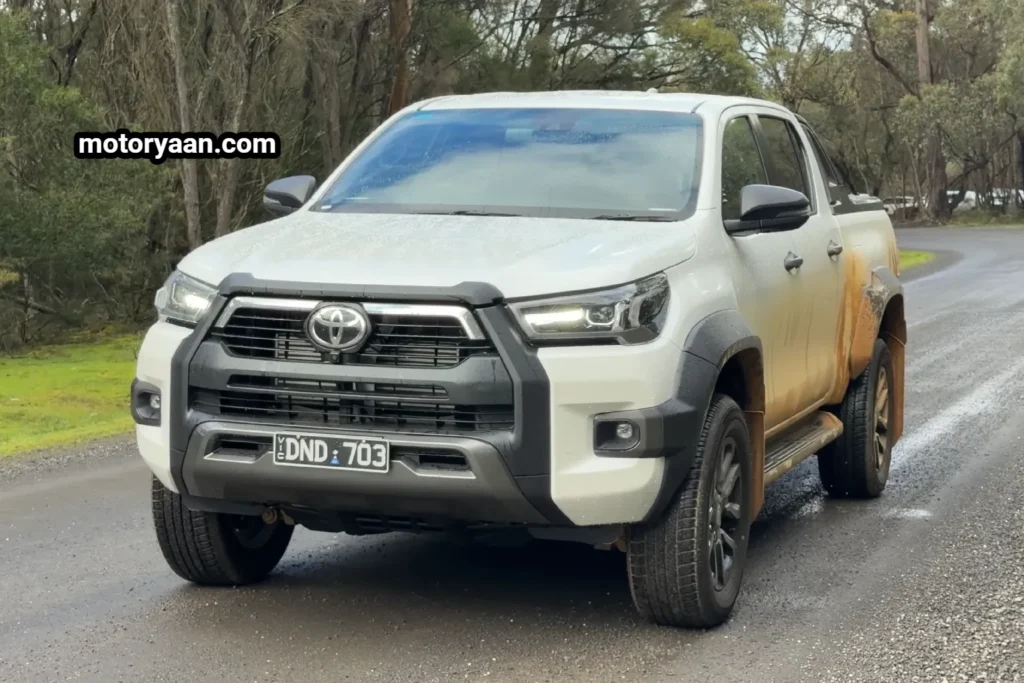
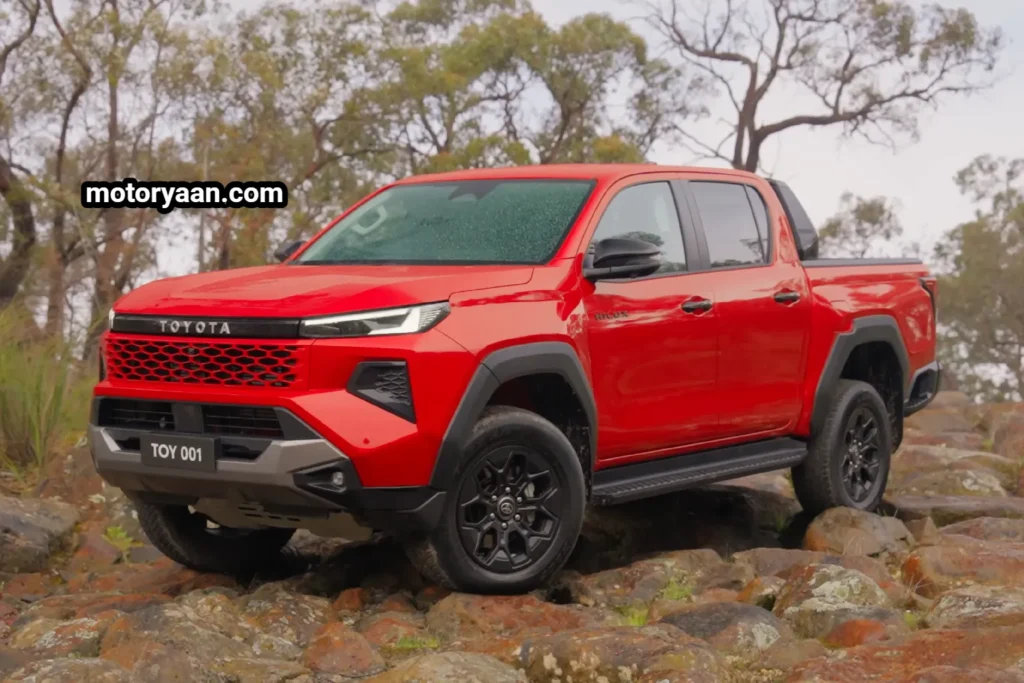
The design debate is heating up. Many fans criticized the new Hilux exterior, but opinions are split.
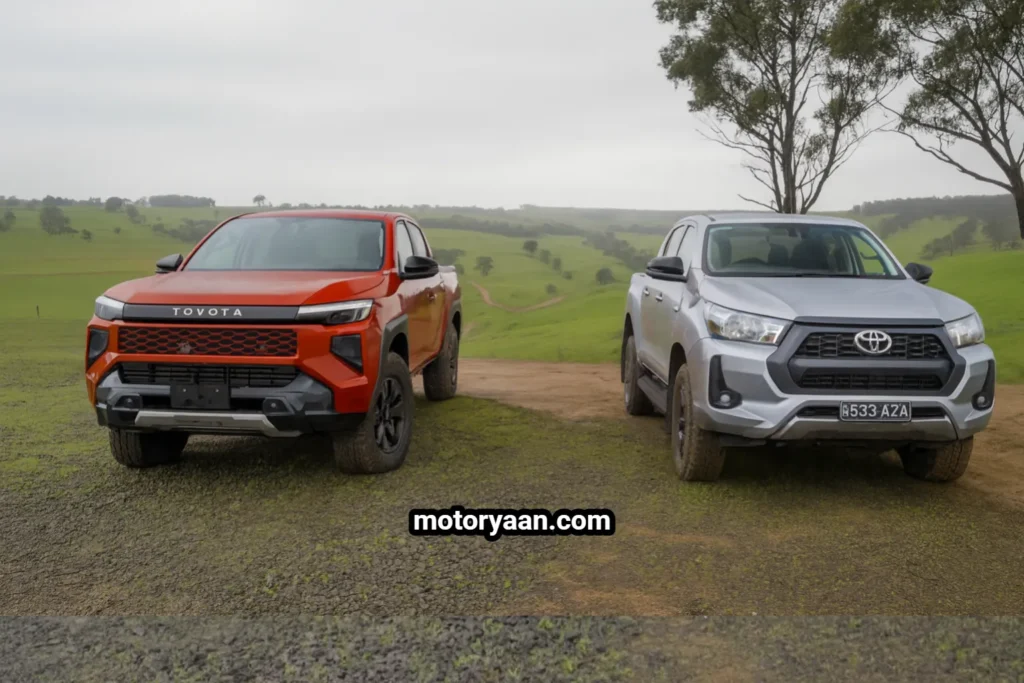
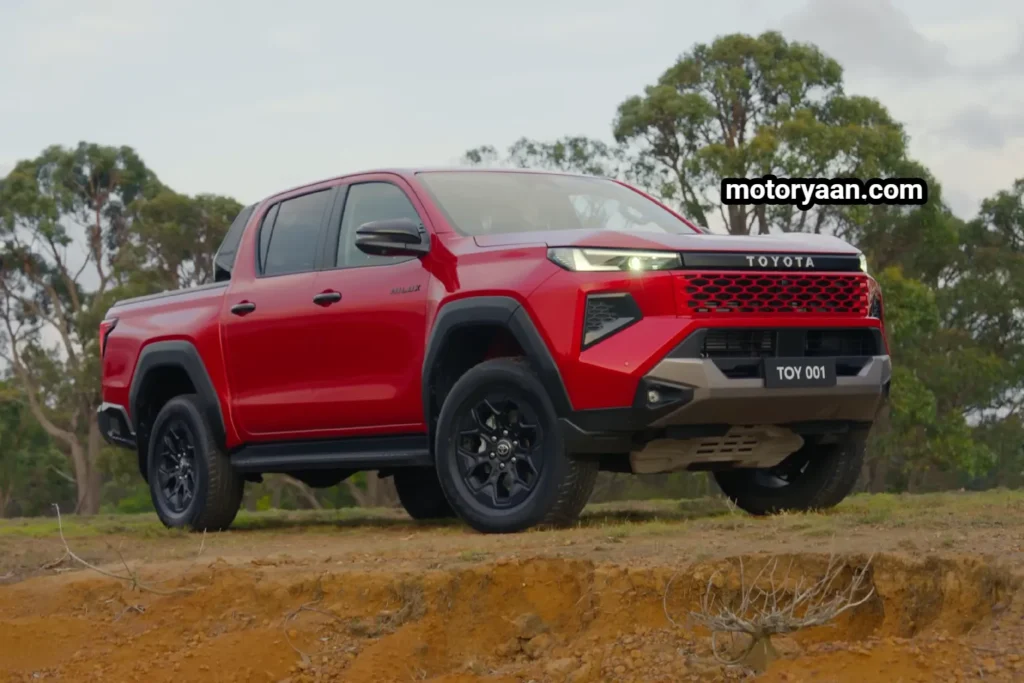
The new Hilux gets a taller front fascia (+100 mm), redesigned for improved crash safety regulations. The front end looks bolder and more modern, reflecting Toyota’s latest design language.
Key exterior updates include:
New front fascia and Heritage Toyota badging
New tub with foot insert, inspired by rivals like Ford Ranger
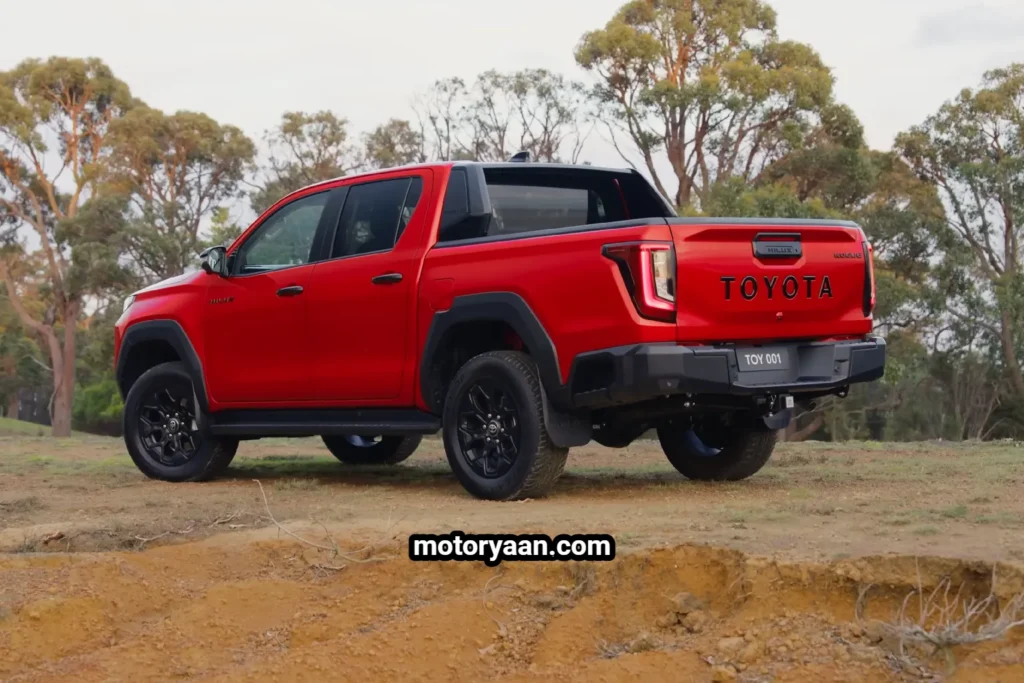
Embossed Toyota lettering at the tailgate
Updated taillights, still partly halogen (a disappointment for some)
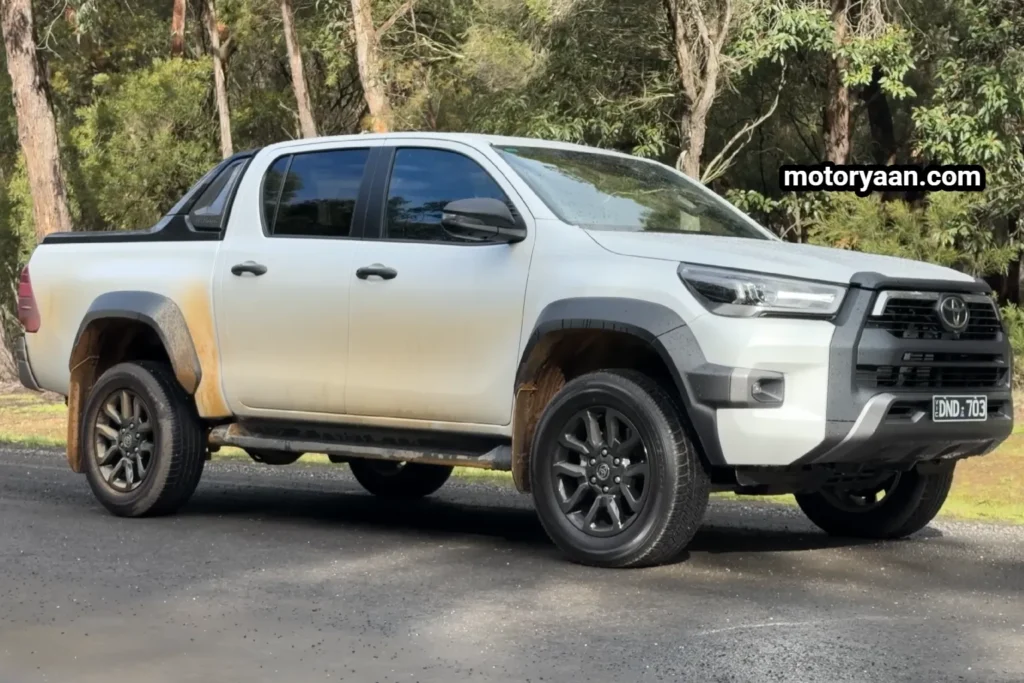
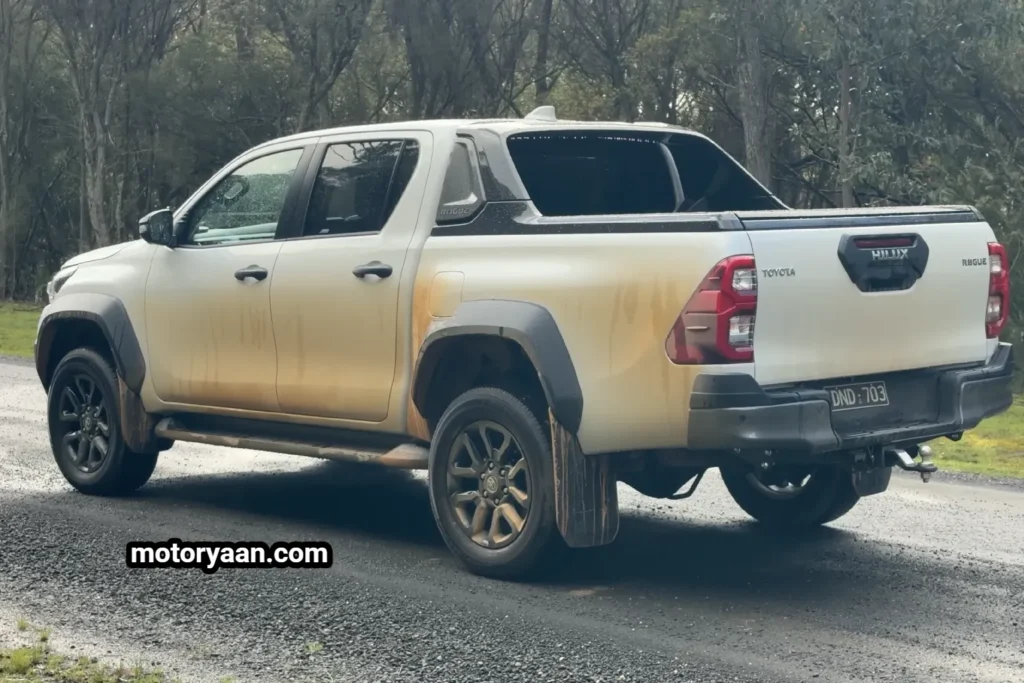
The side profile remains identical, with the same doors, handles, and overall body dimensions. However, the new tailgate and rear design add a fresher, more premium touch.
Interestingly, the cargo tub dimensions remain unchanged, meaning a standard pallet still doesn’t fit between the wheel arches, something many owners wish Toyota had addressed.
Verdict: The new HiLux looks sharper and more refined, while the old HiLux carries its classic utilitarian charm.
Interior Comparison: Toyota Hilux NEW vs OLD
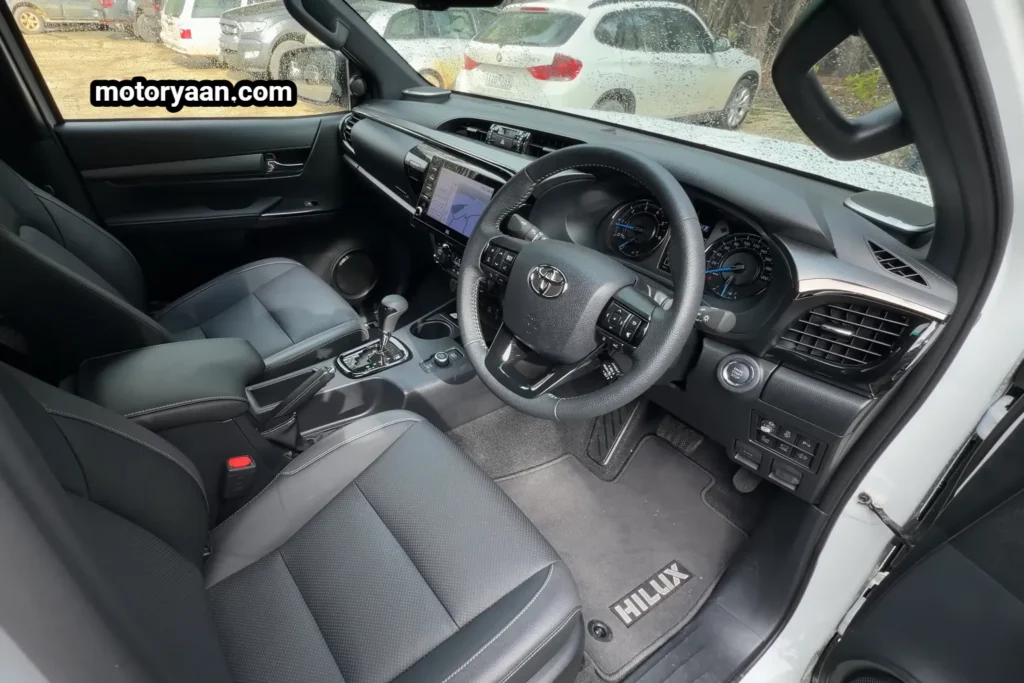
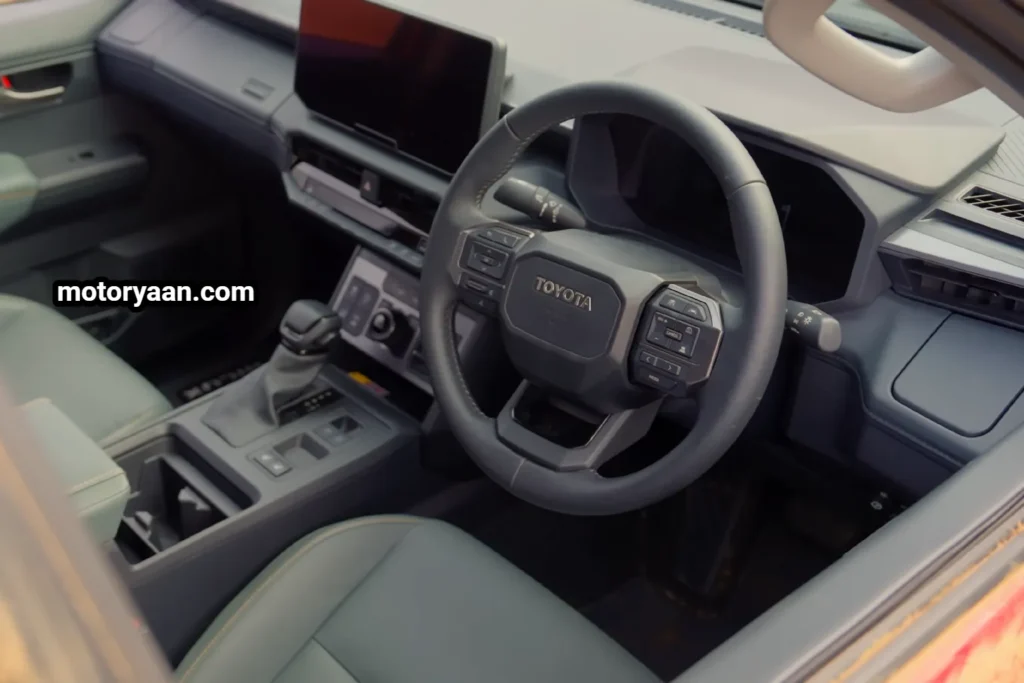
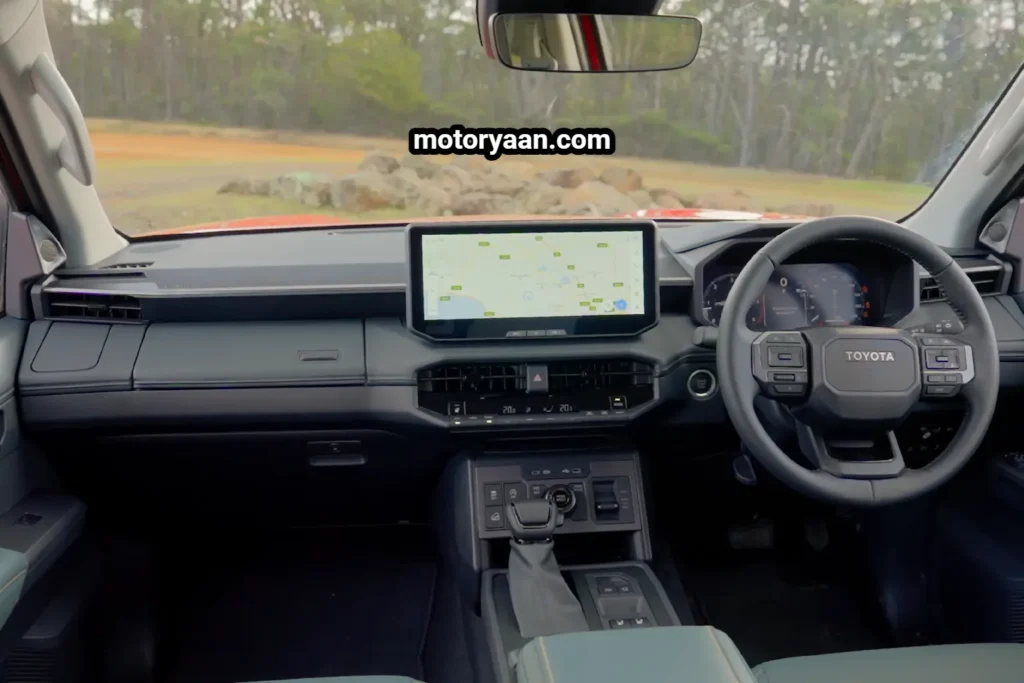
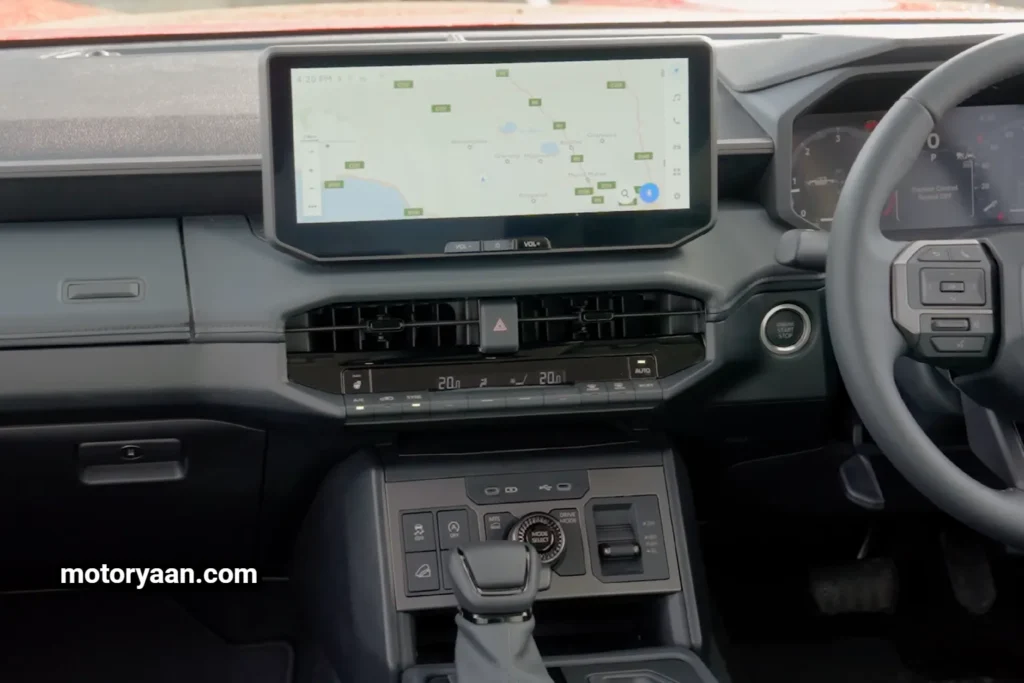
The interior upgrade is where the new Hilux really shines. The cabin layout is similar but the materials, design, and technology have taken a massive leap forward.
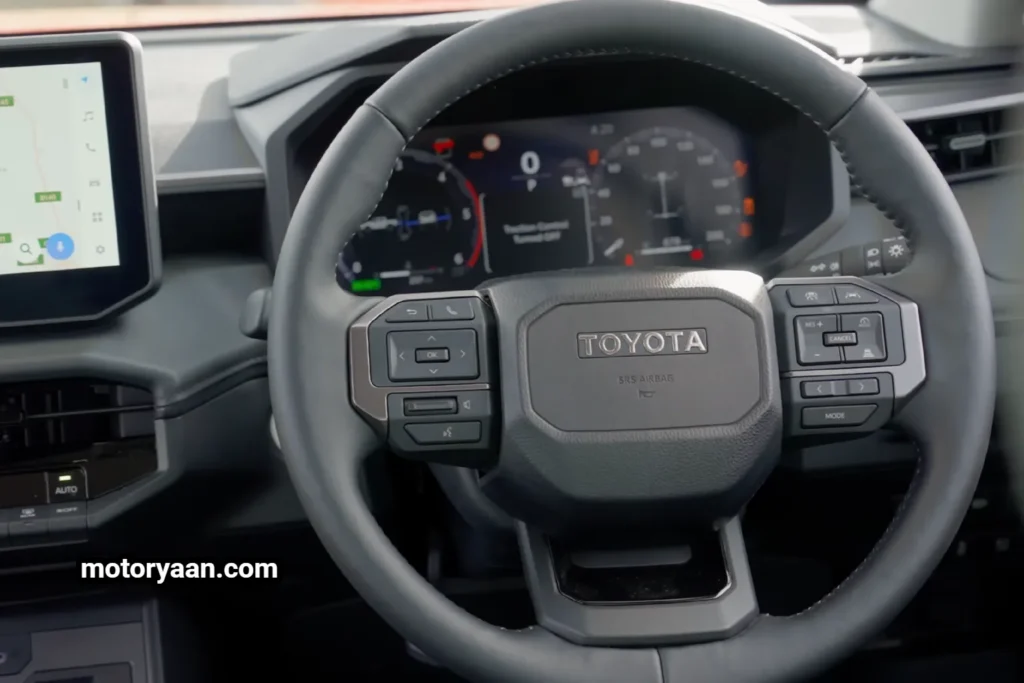
New Hilux Interior Highlights:
Significantly improved interior quality and refinement
Soft-touch materials to reduce cabin noise and improve acoustics
New steering wheel and seats with better comfort
Enhanced NVH (Noise, Vibration, Harshness) levels for quieter driving
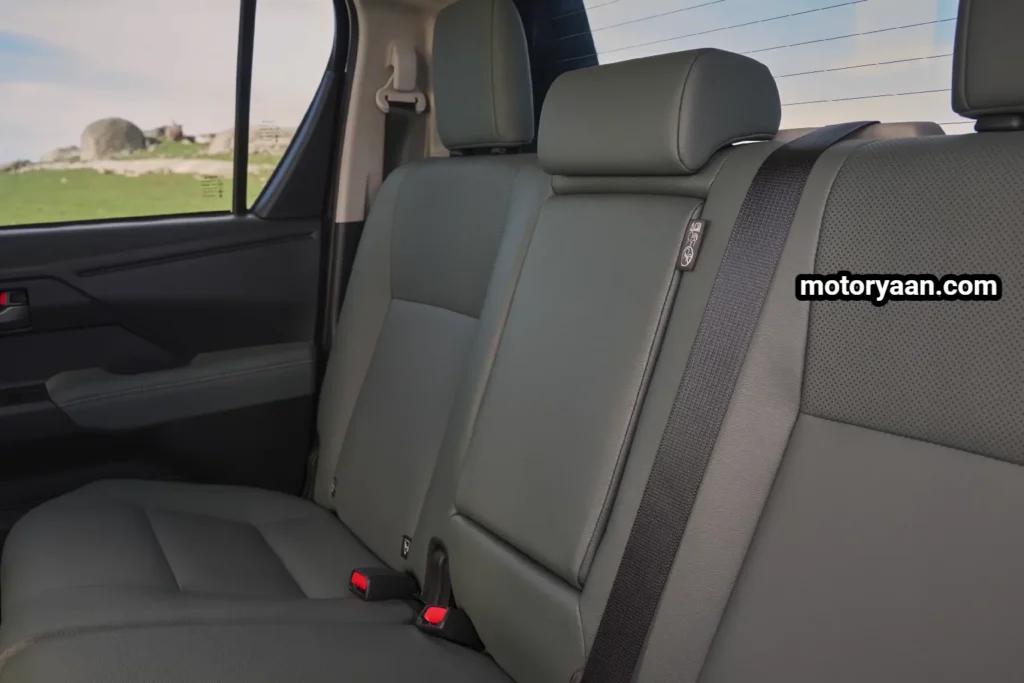
However, rear seat space remains limited, as the cabin dimensions haven’t changed. Headroom and legroom are still tight for taller passengers due to the high floor and unchanged IMV platform.
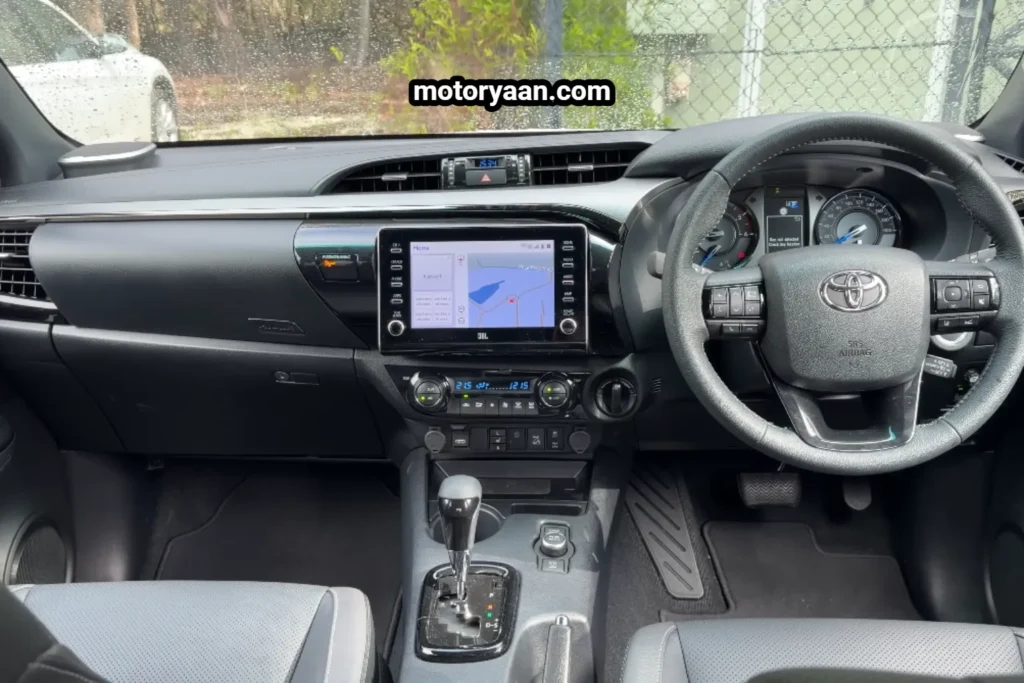
Old HiLux Cabin:
Outdated infotainment system and instrument cluster
Feels cheap and plasticky, though storage spaces are slightly better
Same poor ergonomics and high floor angle
Carryover rear seat setup, with similar comfort and limited space
While the new HiLux feels far more modern and premium, both share the same platform limitations that affect legroom and seating posture.
Driving Experience: Toyota Hilux NEW vs OLD
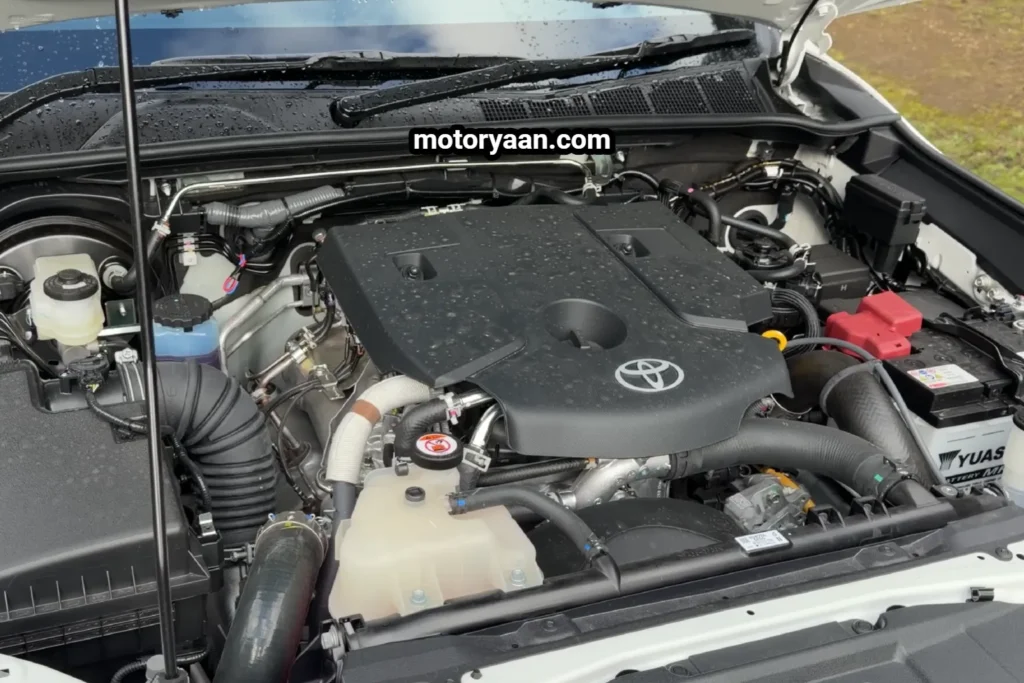
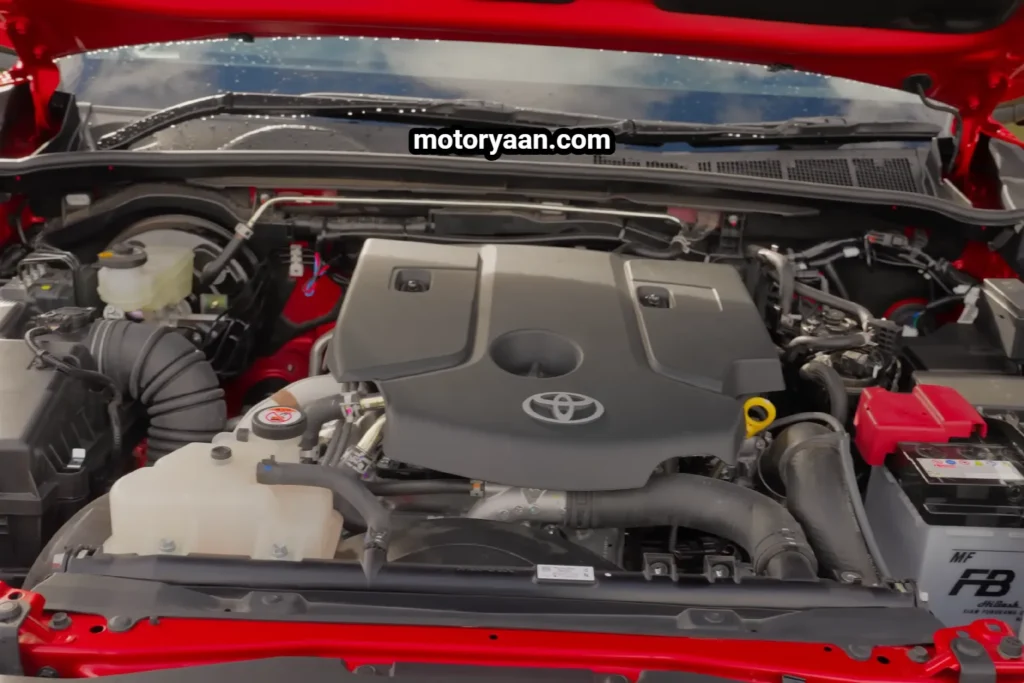
Both the new and old Hilux use the same 2.8L turbo-diesel (1GD-FTV) engine, producing 150 kW and 500 Nm through a 6-speed automatic torque converter gearbox. However, the new Hilux now features a V-Active mild-hybrid system, making start-stop transitions smoother and more refined.
What’s New:
Improved ride comfort due to new dampers and suspension tuning
Electronic power steering (EPS) replaces hydraulic steering, lighter and more precise
Enhanced chassis stiffness with more spot welds and better engine mounts
Reduced cabin noise and improved refinement
What’s Unchanged:
Same 2.8L turbo-diesel engine
Still a part-time 4WD system, not full-time like in the Prado or Land Cruiser
Fuel efficiency averages around 9.1L/100 km, slightly behind rivals like the Mitsubishi Triton (low 7s)
Verdict: The new HiLux drives noticeably better, smoother, and quieter, but it’s still not a complete generational leap. It feels like a 25% improvement rather than a full redesign.
Off-Road Performance: Toyota Hilux NEW vs OLD
Both versions remain highly capable off-road, with excellent ground clearance and proven durability.
New Hilux Advantages:
Upgraded Multi-Terrain Select system for improved traction on rock, mud, and sand
Enhanced Hill Descent Control, now holding speed between 3–4 km/h
Improved suspension tuning provides better stability and comfort on rough terrain
Carryover Limitations:
Still part-time 4WD
Rear differential lock only available in low-range mode
Narrower track width reduces stability compared to the older Rogue’s wider stance
Despite these compromises, the new Hilux remains one of the most capable off-road pickups, with software-based traction improvements that make real-world driving easier and safer.
Verdict: Should You Buy the Toyota Hilux NEW or OLD?
The Toyota Hilux NEW vs OLD comparison reveals that the new model is more refined, quieter, and technologically superior, especially in terms of ride comfort and steering. However, the price increase, carryover platform, and unchanged drivetrain make it feel more like an evolutionary update rather than a revolutionary one.
Buy the New Hilux if:
You value improved comfort, tech, and refinement.
You plan to use it daily or on highways.
You want the latest design and features.
Buy the Old Hilux if:
You prefer saving several thousand dollars.
You’re okay with older tech and a firmer ride.
You want proven reliability without the hybrid system.
Final Thought: The new Toyota Hilux feels like the old one, just better tuned, better equipped, and a little more polished. It’s not a revolution, but it’s definitely a smarter evolution.
Toyota HiLux NEW vs OLD – Frequently Asked Questions
1. Is the new Toyota HiLux worth upgrading from the old model?
The new Toyota HiLux offers smoother performance, a quieter cabin, and updated technology. However, it’s built on the same IMV platform and costs more. If you value comfort, refinement, and modern design, the new HiLux is worth it. If you prefer saving money and want proven reliability, the old HiLux is still a solid choice.
2. What are the main differences between the Toyota HiLux NEW vs OLD?
The biggest changes include a taller front fascia, new headlights, improved interior quality, electronic power steering, and better ride comfort. The engine remains the same 2.8L turbo-diesel, but the new HiLux adds a mild-hybrid system for smoother performance.
3. Has the Toyota HiLux engine changed in the new version?
Both the new and old HiLux use the same 2.8L turbo-diesel (1GD-FTV) engine producing 150 kW and 500 Nm. The difference is the addition of Toyota’s V-Active mild-hybrid system in the new model, improving start-stop operation and low-speed refinement.
4. Is the new HiLux more fuel efficient than the old one?
Not significantly. Both average around 9.0 to 9.1L/100 km, depending on driving style and terrain. The mild-hybrid system helps slightly in city conditions but doesn’t drastically change fuel efficiency figures.
5. How does the new HiLux perform off-road compared to the old model?
The new HiLux features updated suspension tuning and a Multi-Terrain Select system for better grip on mud, sand, and rocks. Hill Descent Control is also improved. However, it still has a part-time 4WD setup and a narrower track width, making the older Rogue variant slightly more stable off-road.
6. What has improved inside the cabin of the new Toyota HiLux?
The new HiLux interior features soft-touch materials, better sound insulation, and a redesigned steering wheel and seats. It feels more premium and comfortable. However, rear seat space and cabin dimensions remain unchanged from the previous generation.
7. Which Toyota HiLux should you buy – the new or the old?
Choose the new HiLux if you want advanced features, smoother drive, and a modern cabin. Go for the old HiLux if you prioritize affordability, ruggedness, and simplicity without hybrid tech. The new HiLux is more refined, while the old HiLux remains a reliable workhorse.