2026 Hyundai Verna Facelift
Hyundai is preparing a mild refresh for its popular C-segment sedan, the Verna. If the timeline holds, the 2026 Hyundai Verna facelift should arrive around March 2026.
At a time when SUVs dominate almost every price bracket, the Verna continues to sell because Hyundai got the fundamentals right. It offers strong performance, a spacious cabin, good feature levels, and a solid safety package. The facelift does not aim to change the formula. It simply updates the car so it stays fresh in a competitive segment.
Exterior: Same shape, sharper details
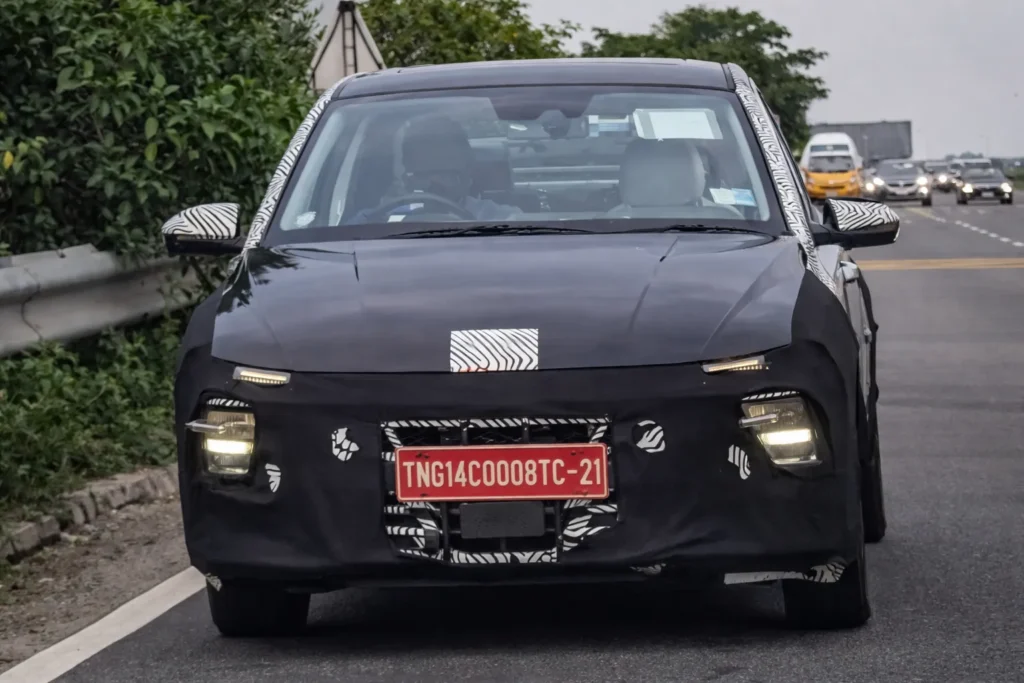
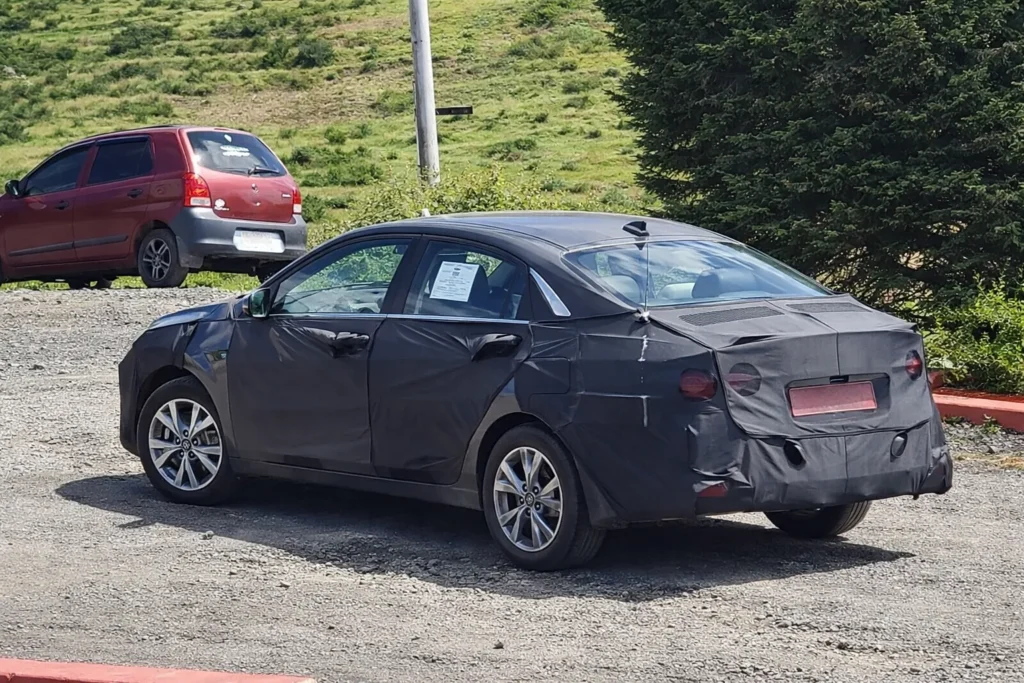
Spy shots suggest that Hyundai will keep the overall design intact. The current Verna already looks modern and distinctive, so the facelift focuses on smaller visual tweaks rather than a full redesign.
Expected exterior changes
Revised front bumper
New grille design
Updated LED headlights and DRLs
Possible new lighting signature
New alloy wheel designs
Slight tweaks to rear bumper and tail lamps
From the side, the proportions are expected to remain unchanged. Hyundai already nailed the stance, so there is no need to alter it.
Interior: Focus on screens and materials
Inside the cabin, Hyundai usually concentrates on technology upgrades, and the facelift should follow the same approach.
The current Verna already offers one of the roomiest cabins in its segment, thanks to its 2,670 mm wheelbase. Rear seat legroom is a strong point, and that will remain unchanged.
Expected interior updates
Larger digital displays
Possible dual screen setup for infotainment and instrument cluster
New steering wheel design
Updated trim finishes
Improved cabin materials
Boot space should stay at 528 litres, which is already among the best in the segment for daily use and long trips.
Engine and Performance: No mechanical changes
Hyundai is expected to retain the existing engine options. There is no need to fix what is not broken, especially when the Verna already leads its segment in performance.
Engine options
| Engine | Power | Torque | Gearbox |
|---|---|---|---|
| 1.5-litre turbo petrol | 160 PS | 253 Nm | 7-speed DCT |
| 1.5-litre naturally aspirated petrol | Not changed | Not changed | Manual and automatic |
The turbo petrol engine continues to make the Verna one of the most powerful sedans in this price bracket. The naturally aspirated unit remains focused on comfort and fuel efficiency.
Ride, handling, and safety
The facelift is expected to carry forward the same chassis and suspension setup. The current car offers a balanced ride that suits both city driving and highway cruising.
Key safety highlights expected to continue
All wheel disc brakes
5-star Global NCAP safety rating
ADAS features already available in higher variants
This safety package gives the Verna a strong position against rivals like the Honda City, Skoda Slavia, and Volkswagen Virtus.
Expected price
Prices will likely see a small increase. This usually happens with facelifts because of added features and rising production costs.
However, Hyundai is unlikely to push prices too high. The brand will want to keep the Verna competitive and maintain its value-for-money appeal in the segment.
2026 Hyundai Verna facelift: Key expected highlights
Launch likely around March 2026
Minor exterior styling updates
Larger screens and improved interior materials
Same petrol engine options
5-star safety rating and ADAS to continue
Slight price increase expected
Final thoughts
The 2026 Hyundai Verna facelift is not trying to reinvent the car. It simply keeps the design fresh, adds more tech, and retains the strong turbo petrol performance.
That approach makes sense. The current Verna already covers the basics very well. A mild update should be enough to keep it relevant in a segment where sedans are fighting harder than ever against SUVs.
If Hyundai gets the pricing right, the Verna should remain one of the safest and most sensible choices in the C-segment sedan space.
The real question is simple.
Do you wait for the facelift, or grab the current model with discounts?
2026 Hyundai Verna Facelift FAQs
The 2026 Hyundai Verna facelift is expected to launch around March 2026, if the current timeline holds.
The facelift is expected to bring subtle but noticeable updates. These include a revised front bumper, a redesigned grille, updated LED headlights and DRLs, new alloy wheel designs, and small tweaks to the rear bumper and tail lamps.
The overall cabin layout is expected to remain the same, but Hyundai may add larger digital displays, a possible dual screen setup, a refreshed steering wheel, and new trim finishes with better materials.
No major mechanical changes are expected. The facelift should continue with the same 1.5 litre turbo petrol and 1.5 litre naturally aspirated petrol engines.
The 1.5 litre turbo petrol engine produces 160 PS and 253 Nm of torque, paired with a 7 speed DCT gearbox.
The Verna offers strong rear seat legroom thanks to its 2,670 mm wheelbase. Boot space stands at 528 litres, which is among the best in the segment.
Ride and handling are expected to remain unchanged. The current setup already balances comfort and stability, and Hyundai is unlikely to alter it.
The facelift is expected to retain all wheel disc brakes, a 5 star Global NCAP safety rating, and ADAS features in higher variants.
Prices are expected to go up slightly due to feature additions and general cost increases, but Hyundai is likely to keep the Verna competitively priced.