2025 Nissan Qashqai e-Power Review
The Nissan Qashqai may look like a British subcompact crossover, and it is built in Great Britain, but this review takes place in Nashville, Tennessee. The reason this UK-spec model is here is important for the US market. The refreshed Qashqai is running Nissan’s all-new third-generation e-Power hybrid system, and this same hybrid setup will be used in the upcoming Nissan Rogue Hybrid. After several years without a hybrid Rogue, this powertrain marks Nissan’s major return to the segment.
This article explains the updated hybrid system, fuel-efficiency expectations, performance, interior quality, and what American buyers can expect when this powertrain arrives in the Rogue.
New e-Power Hybrid System
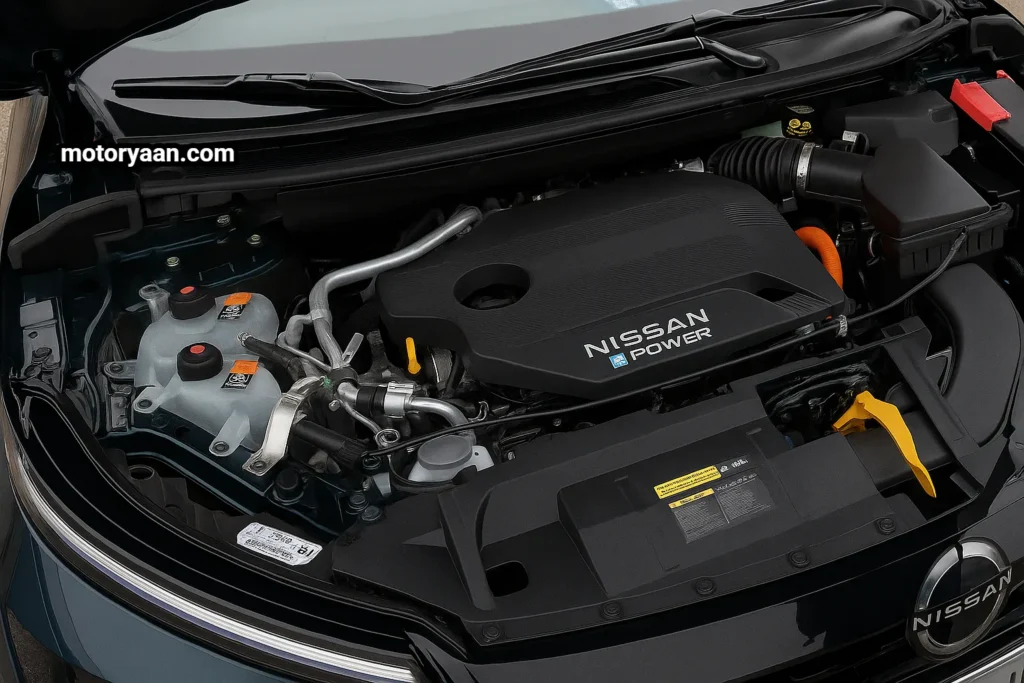
Nissan’s third-generation e-Power is the main highlight of the refreshed Qashqai. This is Nissan’s series-hybrid setup, where the engine functions only as a generator and the wheels are driven purely by an electric motor.
Key Technical Changes
New 1.5-litre, 3-cylinder turbo engine
Fixed compression ratio of 13:1
Thermal efficiency of 42%
Replaces the older 3-cylinder VC-Turbo
No direct mechanical link between the engine and the wheels
Updated 5-in-1 hybrid module for better efficiency and lower manufacturing cost
Larger 2.1 kWh battery, which is bigger than most hybrids in the US
This engine has been engineered specifically for hybrid duty, solving the reliability concerns that the older VC-Turbo created in some models.
Performance and Fuel Economy
Even though the Qashqai tested here is front-wheel drive, the Rogue Hybrid that uses this same setup will offer dual-motor all-wheel drive.
Power and Torque
Approx. 190–200 hp in normal drive
Up to 205 hp in Sport mode
240 lb-ft torque
0 to 60 mph in 7.3 seconds (slightly uphill test)
Estimated 0 to 60 mph on level ground: 7.1–7.2 seconds
Fuel Economy
This UK-spec vehicle delivers over 50 mpg (US gallons)
With a 14.5-gallon tank, the range is close to 750 miles
When the hybrid system migrates to the Rogue, EPA numbers are expected in the upper 40 mpg range
What stands out most is the engine behaviour. In many hybrids, especially Toyota hybrids, the driver will clearly hear or feel when the engine turns on. In the Qashqai e-Power, the change between engine on and off is almost impossible to detect without looking at the energy flow screen.
Exterior Updates
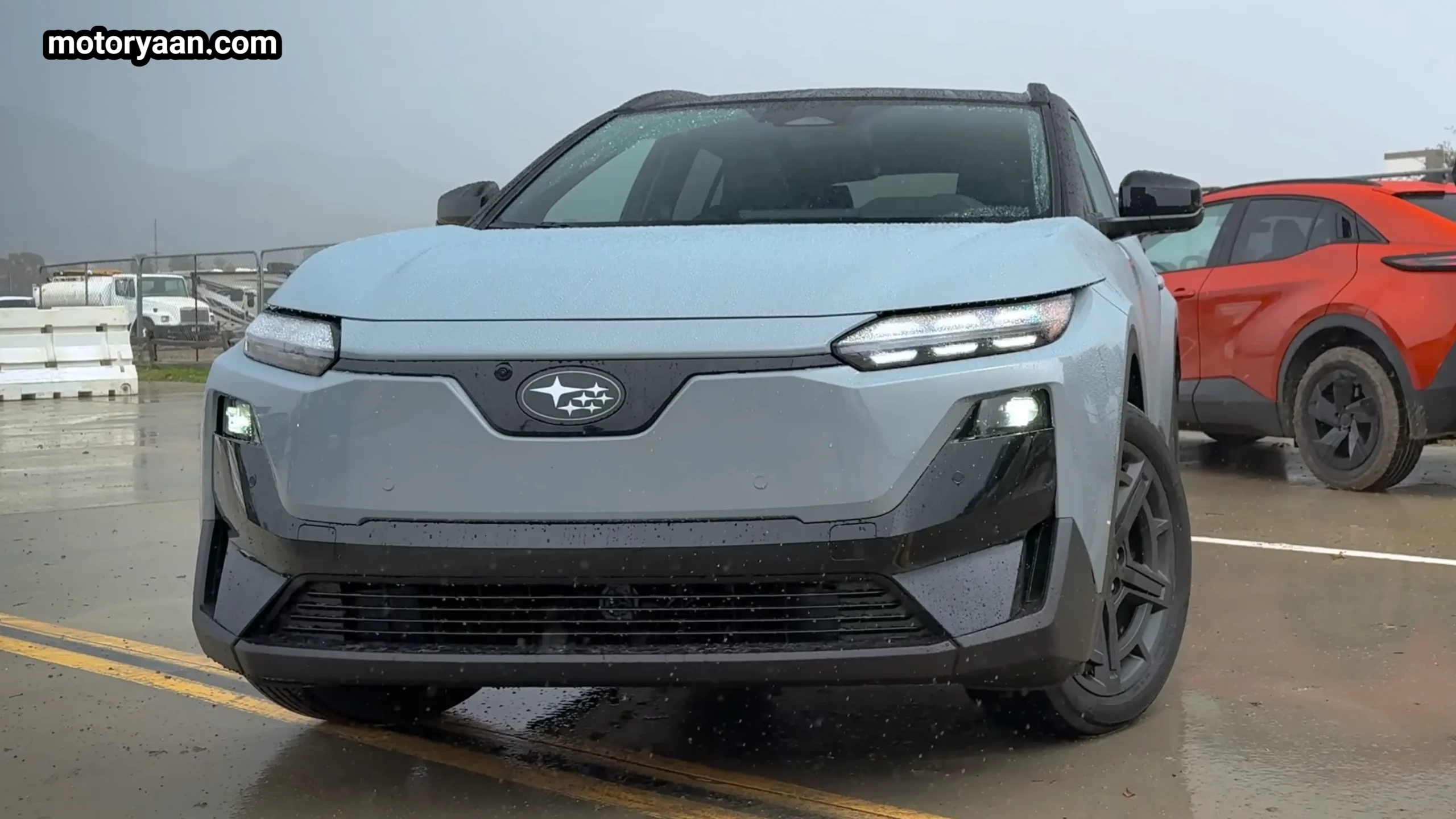
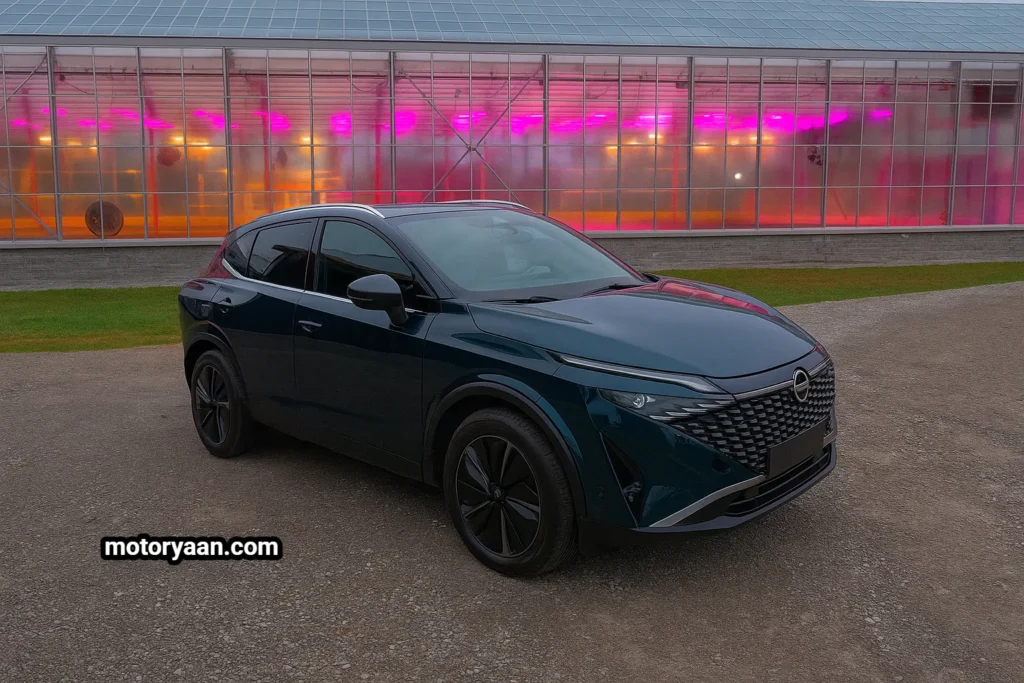
Nissan refreshed the Qashqai in summer 2025, giving it a cleaner and more modern look.
Highlights
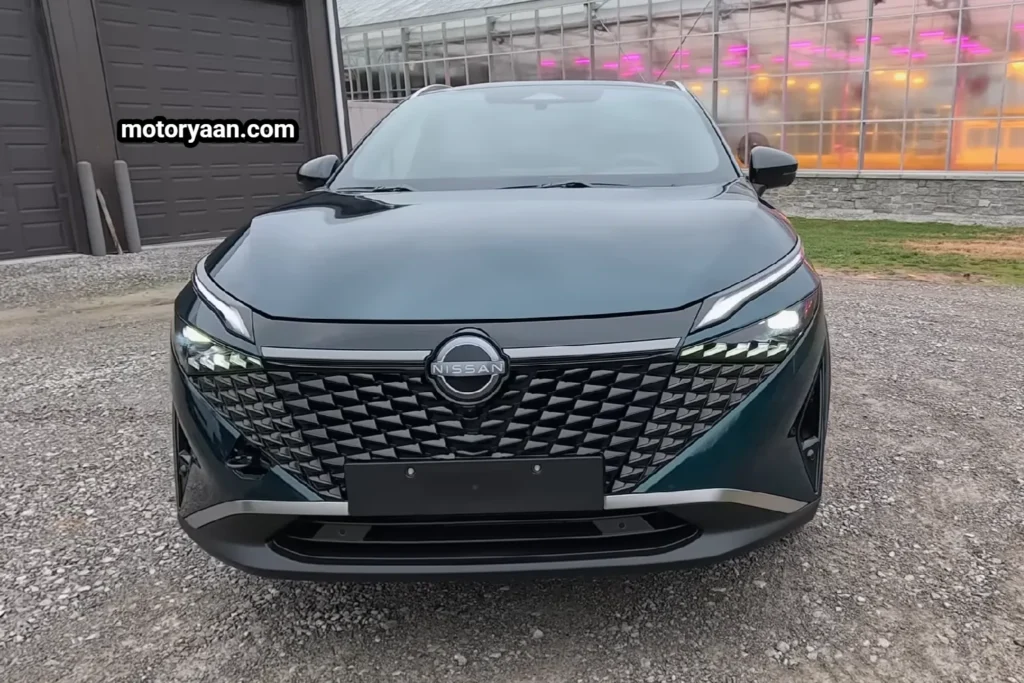
Front fascia shares cues with the redesigned Sentra
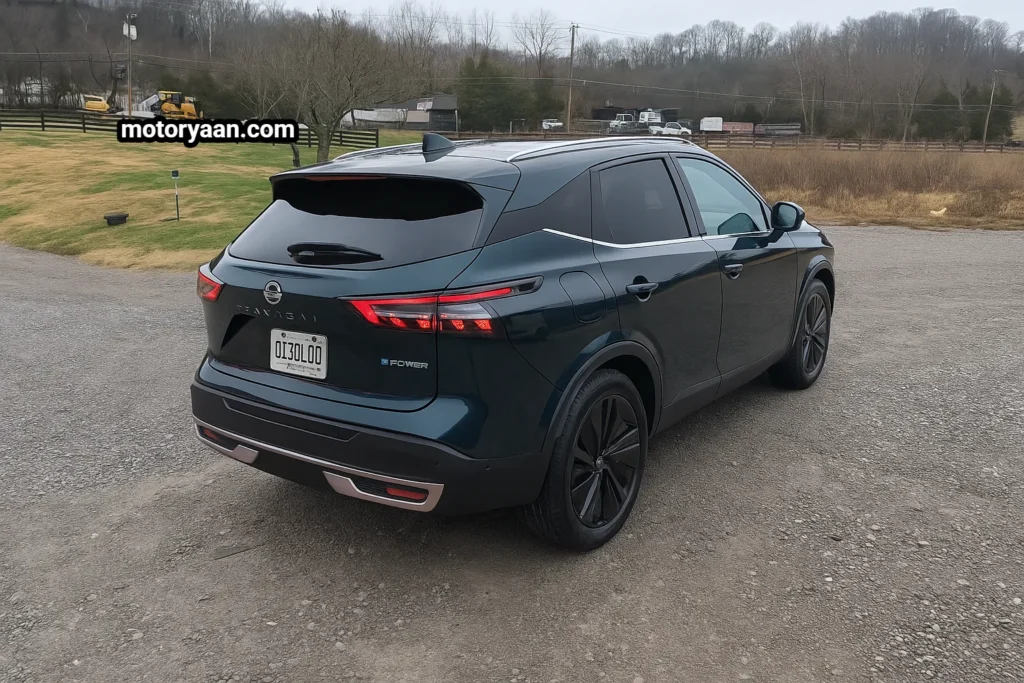
19-inch wheels with aero covers
Upscale exterior design, almost Infiniti-like
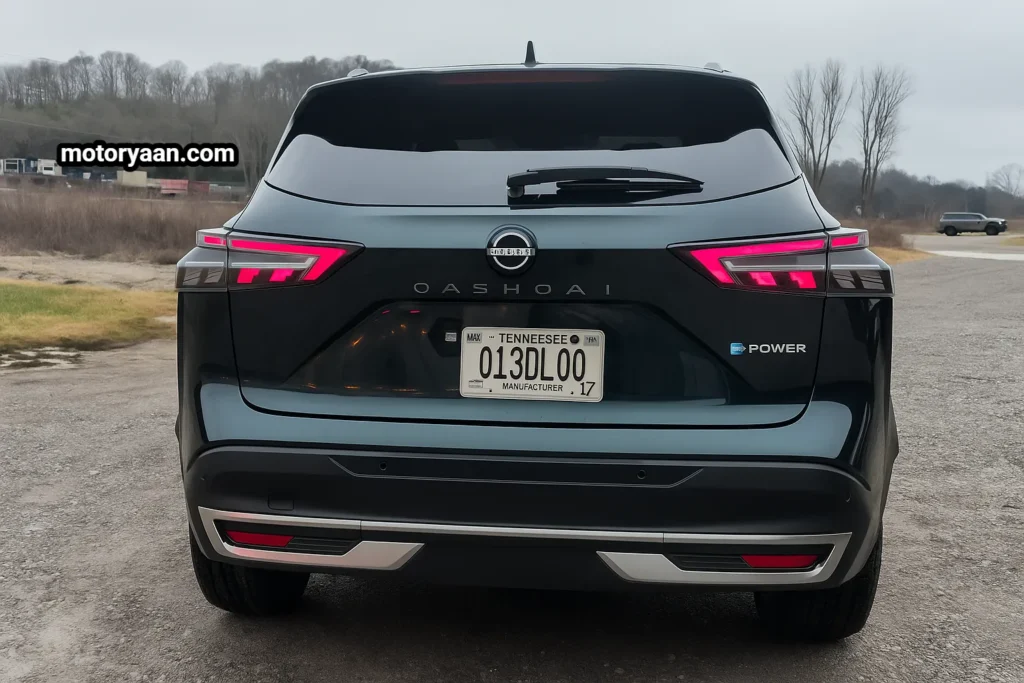
Dark green paint similar to the updated Pathfinder
Premium-looking rear LED tail lights
Hidden exhaust outlets
Power tailgate
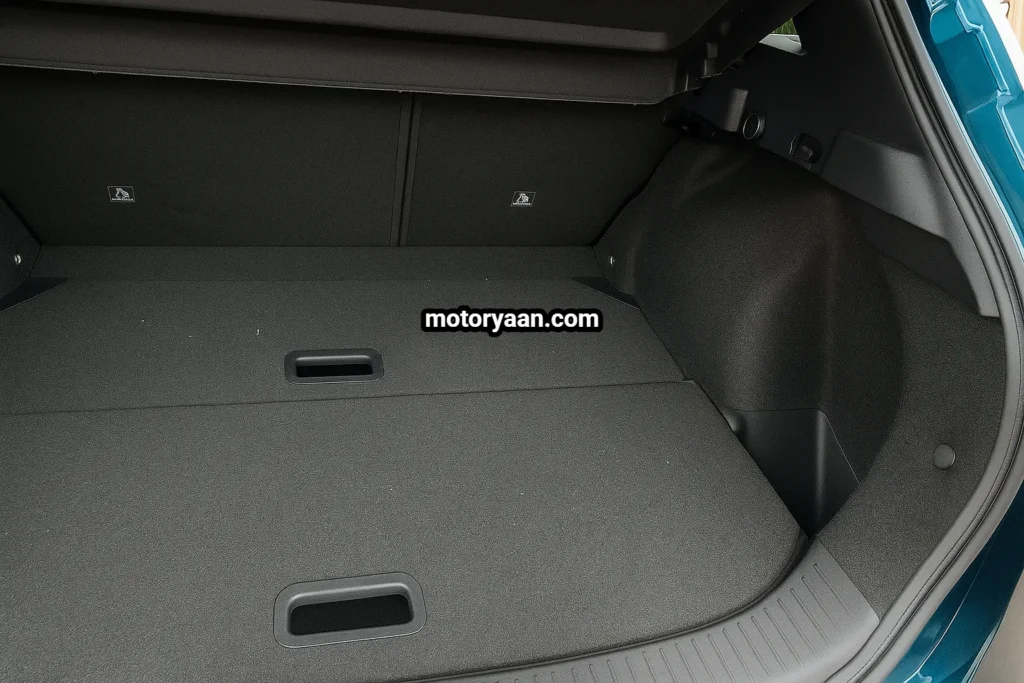
Practical boot setup with configurable cargo floor
Even though this is a subcompact crossover similar in size to the US Nissan Kicks, the Qashqai looks more premium.
Interior Experience
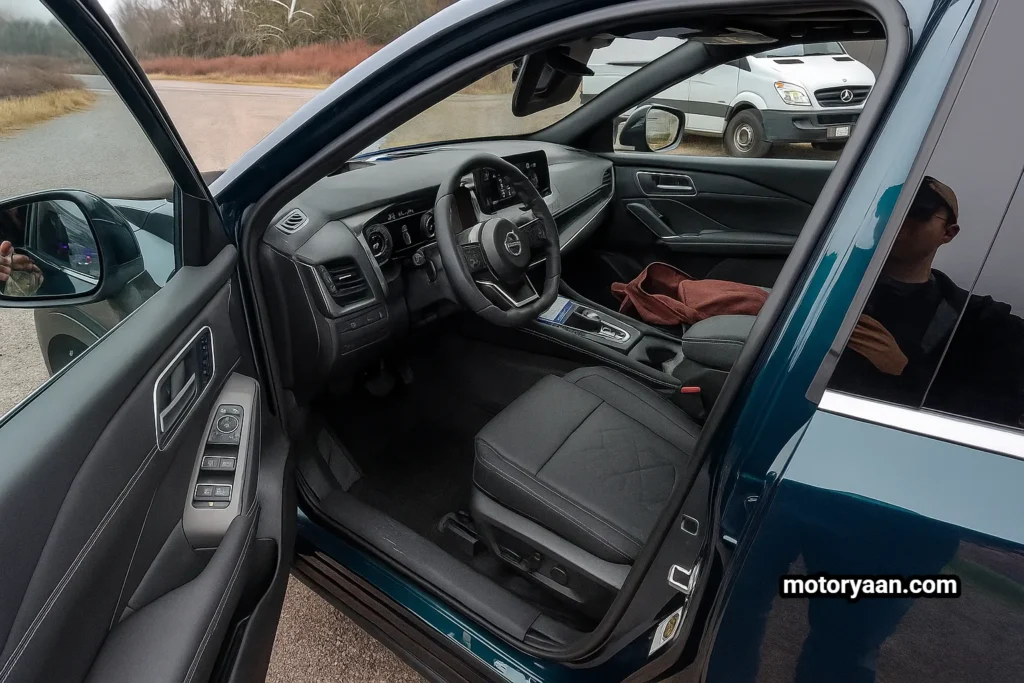
The interior is where the Qashqai feels more expensive than its size suggests.
Front Cabin Features
Large touchscreen with YouTube support
Big volume knob positioned for easy reach
Rotary climate control dials
Heated seats
Head-up display with British speed sign graphics
Wireless charger
E-Pedal function for one-pedal-like driving
Memory seats
Auto-folding mirrors
High-quality leather-wrapped steering wheel
The cabin is quiet even without acoustic glass, with minimal engine or wind noise.
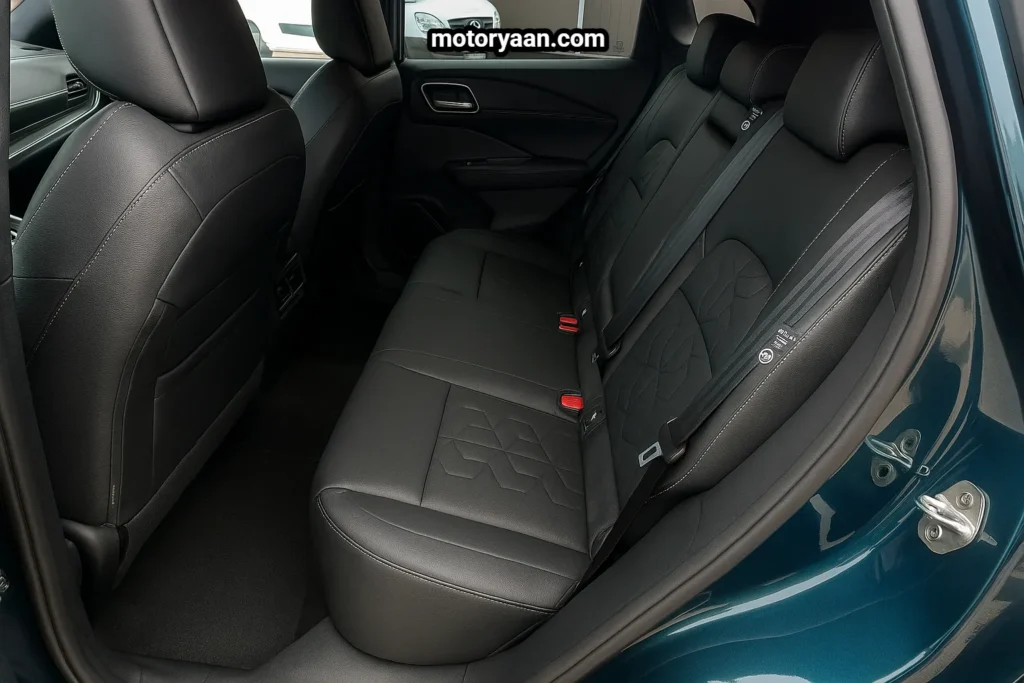
Rear Seat and Space
Soft and stitched door materials
Cross-stitched leather seats
Rear USB-C ports
Rear air vents
Panoramic roof with unique multi-partition retracting shade
Legroom comparable to a Corolla Cross
Slight center tunnel rise but still usable for three passengers
Driving Impressions
Smooth Hybrid Operation
The biggest strength of this new system is its seamless operation. The engine runs at a steady RPM when needed, with no whining or droning. Drivers familiar with Toyota hybrids may find this behaviour surprisingly quiet and refined.
Steering and Handling
Firm and predictable steering
Feels more sedan-like than tall crossover
Stable around curves
Comparable ride quality to the US Nissan Kicks, but quieter
Regenerative Braking
E-Pedal provides strong deceleration
Physical brake pedal feels light and could be improved
The system prefers letting the electric motor handle most braking tasks
During a detailed drive through Tennessee’s 33-degree weather, the hybrid system continued to behave smoothly, with no loud engine transitions even on uphill stretches.
Why This Matters for the Upcoming Nissan Rogue Hybrid
The Qashqai serves as a preview for what the US Rogue Hybrid will become. Nissan hasn’t sold a Rogue Hybrid in several years, and the market has changed significantly with strong competition from Toyota, Honda, and Hyundai.
The new third-gen e-Power system promises:
Better fuel economy compared to the previous Rogue Hybrid
Smoother hybrid transitions
Stronger electric-based acceleration
More refined cabin quietness
Lower maintenance complexity compared to the discontinued VC-Turbo setups
For buyers waiting on a hybrid SUV with long range and high efficiency, this powertrain is expected to be a major improvement.
Final Thoughts
The 2025 Nissan Qashqai e-Power showcases what Nissan has been quietly developing overseas. With seamless hybrid behaviour, strong efficiency, premium interior materials, and solid performance, this model gives a clear preview of the next-generation Nissan Rogue Hybrid for the US market.
If Nissan brings the same hybrid efficiency and refinement here, the Rogue Hybrid could re-enter the segment as a strong competitor.
Frequently Asked Questions
What is special about the new Nissan e power system in the Qashqai
The latest generation e power system in the Qashqai uses a new 1.5L 3 cylinder turbo engine with a fixed 13 to 1 compression ratio. It works only as a generator and does not drive the wheels directly. The electric motor handles the actual driving, which makes the experience smoother and quieter than traditional hybrids.
How much power does the Qashqai e power produce
The hybrid setup makes around 190 horsepower during normal driving and can reach up to about 205 horsepower in sport mode. Torque output is around 240 lb ft, which helps the vehicle feel quick and responsive.
What fuel economy can drivers expect
The Qashqai tested in the video achieved over 50 miles per gallon using US gallons. With a fuel tank capacity of about 14.5 gallons, the estimated driving range comes close to 750 miles. Cold weather may reduce efficiency slightly but the overall mileage remains impressive.
Does the engine ever directly power the wheels
No. The engine only charges the battery and acts as a generator. The wheels are driven entirely by the electric motor, which is why the engine starts and stops very smoothly without noticeable vibration or noise.
How does the driving experience feel with the e pedal feature
The e pedal provides strong regenerative braking and slows the vehicle quickly when the driver lifts off the accelerator. It makes city driving easier and reduces the need to use the brake pedal frequently, although the brake pedal is still needed to come to a complete stop.
What updates does the refreshed Qashqai receive
The updated model features a redesigned front end, new premium looking LED tail lights, and a more upscale exterior that resembles larger Nissan models. The interior includes a big touchscreen, rotary climate controls, a head up display, wireless charging, and premium leather seating with detailed stitching.
How is the interior space in the Qashqai
The rear seats offer space similar to what you find in a Corolla Cross. Rear passengers get USB C ports, dual air vents, and a panoramic roof with a unique multi piece shade. The front cabin feels premium with good quality materials and comfortable seating.
Is the Qashqai quiet on the road
Yes. Road and wind noise are minimal even without acoustic glass. The hybrid system keeps the engine at lower RPMs, which helps maintain a quiet cabin environment during highway driving and city cruising.
What is the 0 to 60 acceleration time
During the test, the Qashqai achieved 0 to 60 mph in about 7.3 seconds on a slight uphill road. On a level surface, the estimated time would likely be around 7.1 to 7.2 seconds, placing it close to Toyota hybrid SUVs in performance.
Will the e power system be used in the upcoming Nissan Rogue
Yes. The same new generation e power hybrid system is expected to appear in the upcoming Nissan Rogue. It will likely include dual motor all wheel drive and improved efficiency compared to previous hybrid models sold in the US.