Hyundai Ioniq 3 First Look
Table of Contents
A proper hatchback, not another SUV
What is the Hyundai Ioniq 3?
Hyundai Ioniq 3 is Hyundai doing something different again. No SUV stance, no oversized proportions. This is a compact electric hatchback, and honestly, that already makes it interesting.
Hyundai calls it an “aero hatch.” The idea is simple. Keep it efficient, keep it clean, and don’t overdesign it.
This car takes heavy inspiration from the concept shown earlier, and surprisingly, the production version stays very close to it. That almost never happens.
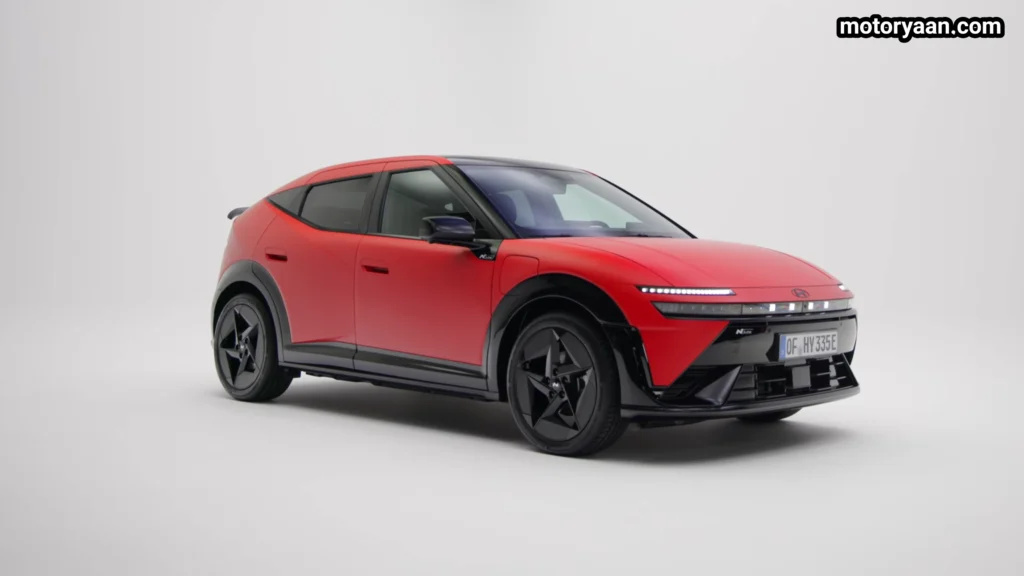
Design: Concept car that actually made it to production
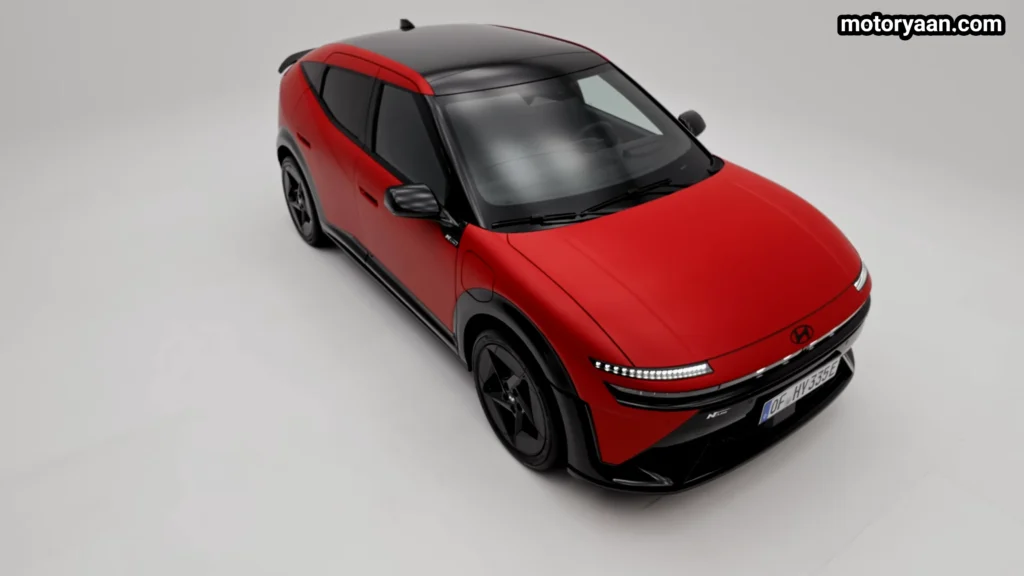
The shape is what stands out first.
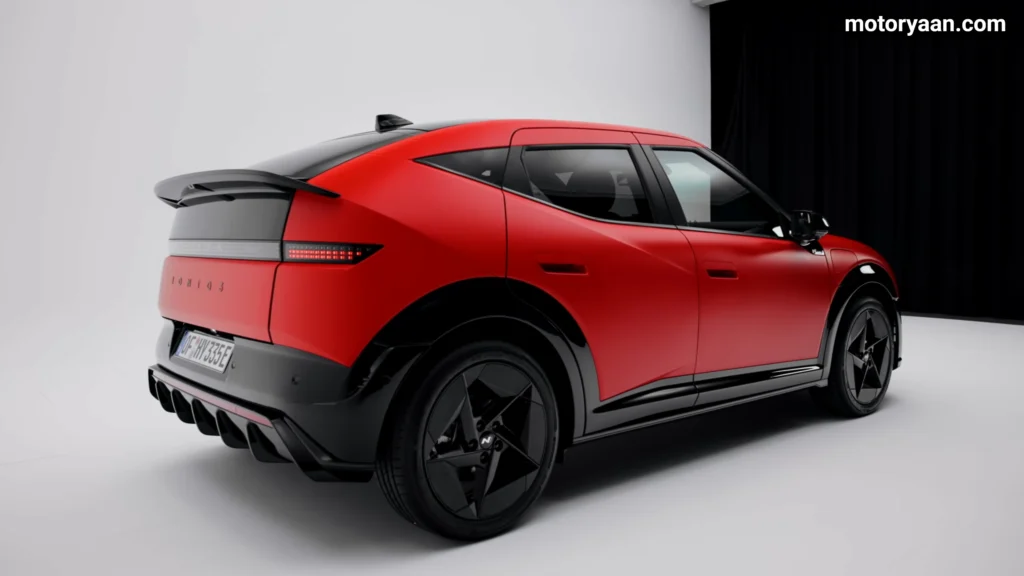
- Flat roofline flowing into a rear spoiler
- Strong curves over the wheel arches
- Clean surfaces with minimal lines
- Rear doors pressed from a single piece of steel
Hyundai calls this design approach “art of steel.” Sounds like marketing, but you can actually see the effort in how simple and smooth the panels look.
There is also a familiar vibe here. Some people compare it to the Hyundai Veloster, and that’s not a bad thing.
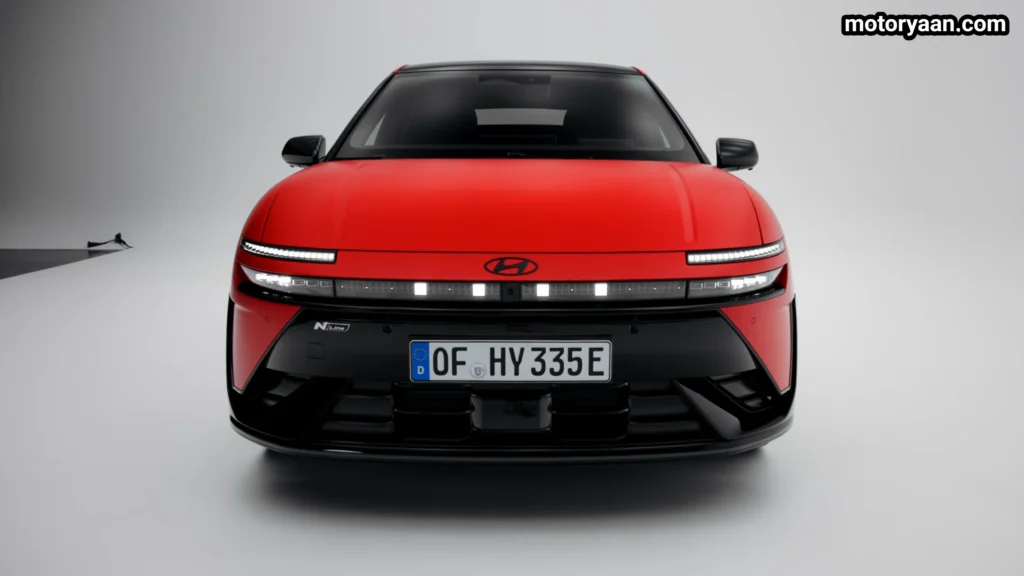
Lighting and details
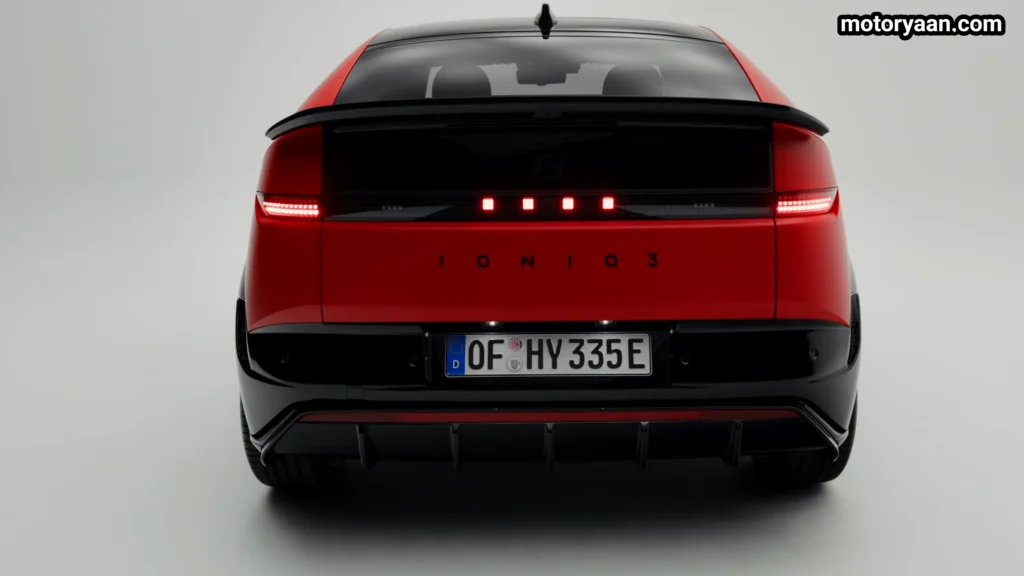
- Pixel-style lighting front and rear
- Front light bar with Morse code “H”
- Aerodynamic mirrors with pixel elements
- Flush handles with subtle design touches
The rear keeps things dramatic with a spoiler and full-width light bar. It looks close to the concept, which is rare.
Size and practicality
The Ioniq 3 is compact but smartly packaged.
- Length: around 4.1 metres
- Long wheelbase for better interior space
- Easy to drive and park
Despite the size, interior space is surprisingly usable. It does not feel cramped unless you are dealing with very large footwear or taller passengers in tight conditions.
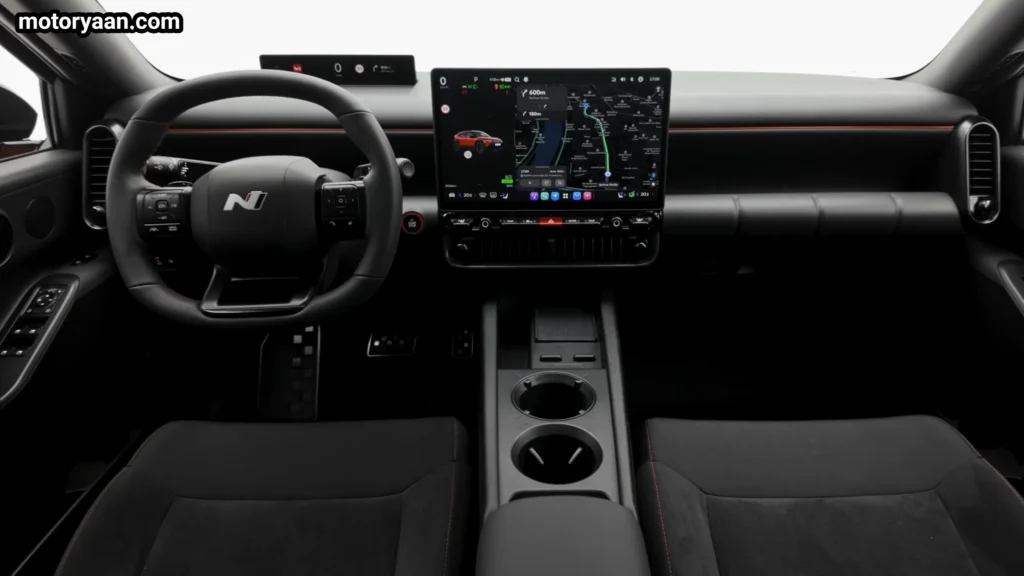
Interior: Not an iPad on wheels
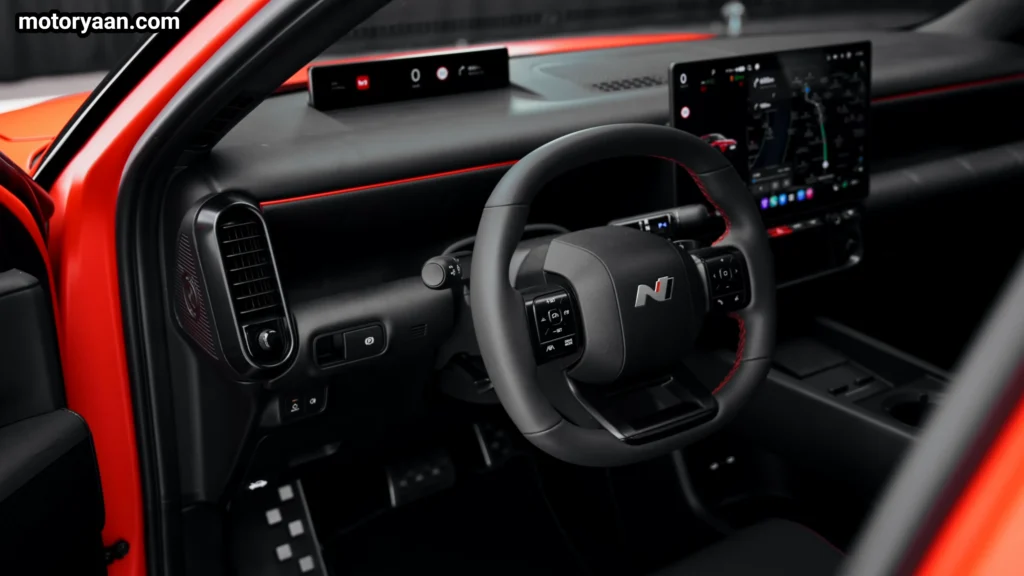
Hyundai clearly avoided the “all screen” trend.
You get:
- Physical buttons and switches
- Dual screens setup
- Practical layout with thoughtful storage
Design inspiration comes from 1970s Italian furniture. Sounds odd, but it results in a lot of soft curves and “pill-shaped” elements across the cabin.
Practical touches that actually matter
- Adjustable cup holder system
- Large bottle storage space
- Cable routing for charging phones
- Multiple phone pockets
- Rear accessory mounts that can be 3D printed
Yes, Hyundai is even allowing owners to download and print accessories. That’s a rare move.
Space and comfort
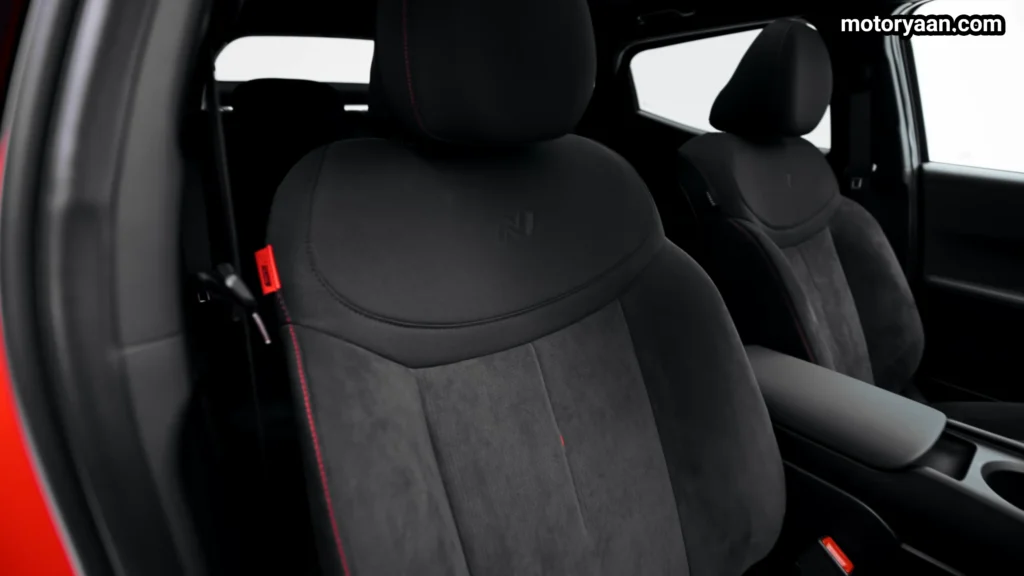
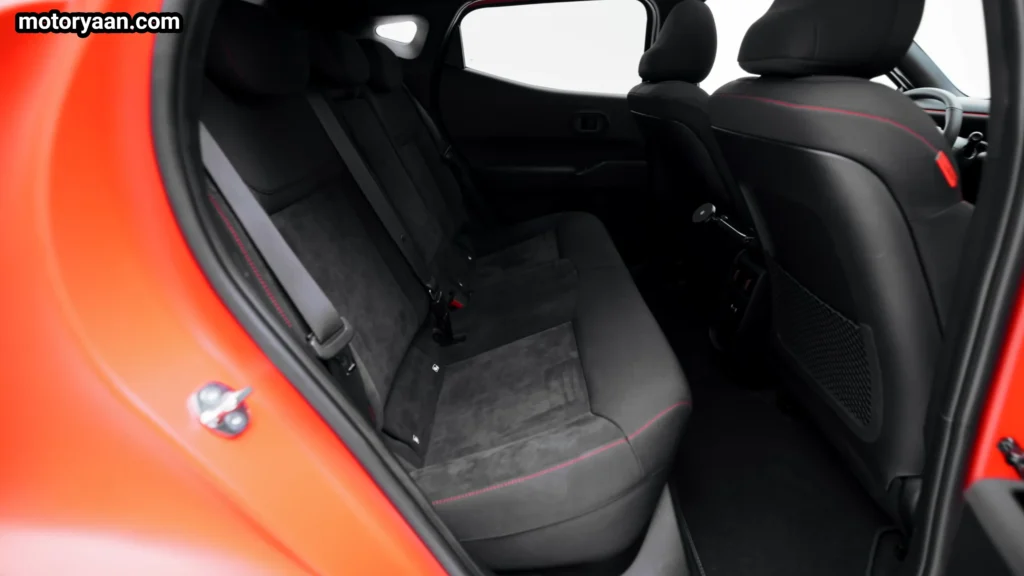
Rear seat space is better than expected.
- Good headroom and knee room
- Three adults can fit at a stretch
- Slightly tight under-seat foot space
Top-spec variants get comfort seats that recline fully, which adds a bit of luxury.
Boot space is decent enough for daily use and road trips.
Battery, range and charging
Two battery options are expected:
- 42.2 kWh
- 61 kWh
Claimed range
- Standard battery: over 345 km
- Long range: over 490 km
That puts it in a very usable bracket, especially for a compact EV.
Charging
- 400V architecture
- 10 to 80 percent in around 30 minutes (DC fast charging)
- Up to 22 kW AC charging
- Vehicle to load support
You can literally power devices using the car. Useful for trips or emergencies.
Performance
- Power: up to 147 hp
- Top speed: around 170 kmh
- 0 to 100 kmh: roughly 9 seconds
Not a performance car, but quick enough for daily driving.
Features and tech
- New Android-based operating system (first in Europe)
- Regenerative braking paddles
- Dual screen setup
- Physical controls retained
Important point: this is still a pre-production model, so final UI details are not fully confirmed yet.
Price expectations
Expected starting price:
- Around £25,000 in the UK
Higher trims like N Line will cost more, obviously.
There are also expectations of government incentives, but final confirmation depends on regulations.
Final thoughts
The Ioniq 3 feels like a reset.
No oversized body.
No unnecessary complexity.
No attempt to turn it into something it is not.
It is a simple, well-thought-out electric hatchback with enough range, practical features, and a design that actually respects the concept.
And honestly, the biggest win here is this:
It is not another SUV.
Sources and References
Official Sources
- Hyundai Official Newsroom Ioniq 3 Release
Official global press release with full specs, design philosophy, and features. - Hyundai Europe Ioniq 3 Page
Official product page explaining design, “Art of Steel” concept, and positioning. - Hyundai UK Ioniq 3 Details
Detailed specs including power output, performance, and production info.
Trusted US & Global Automotive Media
- Car and Driver Ioniq 3 Coverage
US-based publication with detailed breakdown of design, specs, and US relevance. - Autoweek Ioniq 3 Overview
US automotive news site explaining platform, range, and market positioning. - Motor1 Ioniq 3 First Look
Global automotive site with images, interior details, and feature highlights.
Tech & EV Focused Sources
- Electrek Ioniq 3 EV Details
EV-focused site covering battery, charging, and real-world range estimates. - WIRED Ioniq 3 Tech Analysis
Tech publication explaining aerodynamics, EV tech, and positioning vs rivals.
Background / Reference Source
- Hyundai Ioniq 3 Wikipedia Overview
Quick reference for specs, timeline, and platform details.
Hyundai Ioniq 3 FAQs
Is the Hyundai Ioniq 3 an SUV or a hatchback?
No, it is not an SUV. The Ioniq 3 is a compact electric hatchback. Hyundai calls it an aero hatch, which basically means it focuses on efficiency and clean design rather than bulky SUV styling. :contentReference[oaicite:0]{index=0}
What is the range of the Hyundai Ioniq 3?
The Ioniq 3 comes with two battery options. The 42.2 kWh version offers over 345 km or about 208 miles. The larger 61 kWh battery delivers more than 490 km or roughly 300 miles, which is strong for a car of this size. :contentReference[oaicite:1]{index=1}
How fast can the Hyundai Ioniq 3 charge?
It uses a 400V system. On a DC fast charger, it can go from 10 to 80 percent in around 29 to 30 minutes. AC charging supports up to 22 kW. :contentReference[oaicite:2]{index=2}
Does the Hyundai Ioniq 3 support vehicle to load?
Yes, it does. You can use the battery to power devices like laptops or tablets using a built-in plug, which makes it useful for road trips or outdoor use. :contentReference[oaicite:3]{index=3}
What is the performance of the Hyundai Ioniq 3?
The Ioniq 3 produces up to 147 horsepower. It has a top speed of around 170 kmh or 105 mph. The 0 to 100 kmh time is about 9 seconds depending on the battery. :contentReference[oaicite:4]{index=4}
How spacious is the Hyundai Ioniq 3?
Even though it is compact at around 4.1 meters long, the long wheelbase helps create a surprisingly roomy interior. Rear seat space is good enough for adults, with decent headroom and knee room. :contentReference[oaicite:5]{index=5}
Does the Ioniq 3 have a fully digital interior?
No, and that is actually a good thing. Hyundai has kept physical buttons and switches along with dual screens. It does not feel like an all-screen setup, which makes it easier to use. :contentReference[oaicite:6]{index=6}
What makes the design of the Ioniq 3 unique?
The design is based closely on the concept model. It uses clean surfaces, pixel lighting, and a design approach Hyundai calls art of steel. Even details like door panels are made from single pieces of steel. :contentReference[oaicite:7]{index=7}
What is the expected price of the Hyundai Ioniq 3?
The expected starting price is around 25,000 pounds in the UK. Pricing for the US and other markets is not confirmed yet, but it is expected to be positioned as an affordable EV. :contentReference[oaicite:8]{index=8}
Is the Hyundai Ioniq 3 suitable as a main family car?
Yes, especially with the larger battery. With close to 300 miles of range and practical interior space, it can easily handle daily driving and long trips as a primary car. :contentReference[oaicite:9]{index=9}