BYD1 Long Term Ownership Reality Check
The BYD1 looks like the kind of electric car the market has been waiting for. It is compact, fully electric, and on paper, very affordable. Many buyers see it as proof that EVs have finally reached price parity with petrol cars.
But living with the car for a few weeks tells a more complicated story.
This is not a brochure or launch day review. This is based on real ownership experience, and it highlights both the good and the frustrating parts of the BYD1.
Price: Cheap on Paper, Not Always in Reality
The BYD1 is marketed as the cheapest electric car in Australia.
Base Essential model: about $23,990 before on road costs
Top spec Premium: about $26,990 before on road costs
However, the final drive away price is very different.
Real world Premium drive away price in Victoria: about $31,000
At that price, the value equation becomes less clear. For similar money, buyers can find:
Demo electric cars with bigger batteries
Small SUVs with more range and features
Used EVs from higher segments
For example, a demo MG4 with a larger battery and more practicality can be found around the same price range in Australia’s used market.
First Impressions: A Design That Wins Hearts
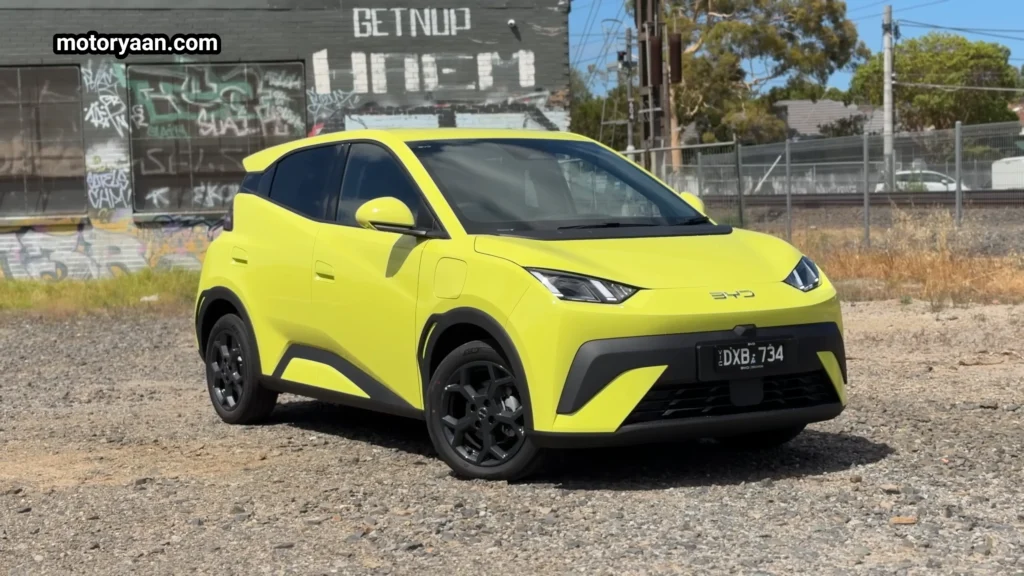
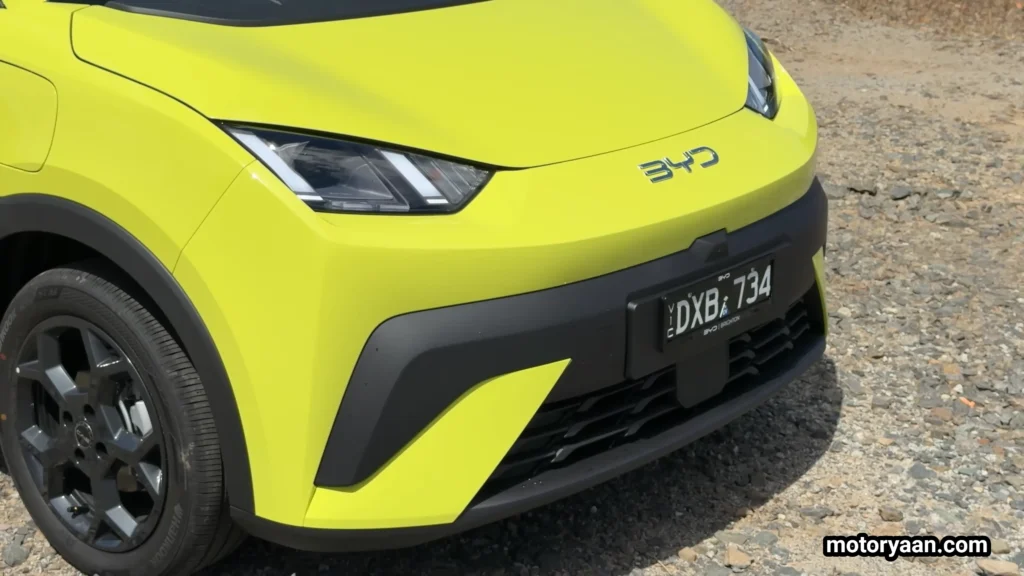
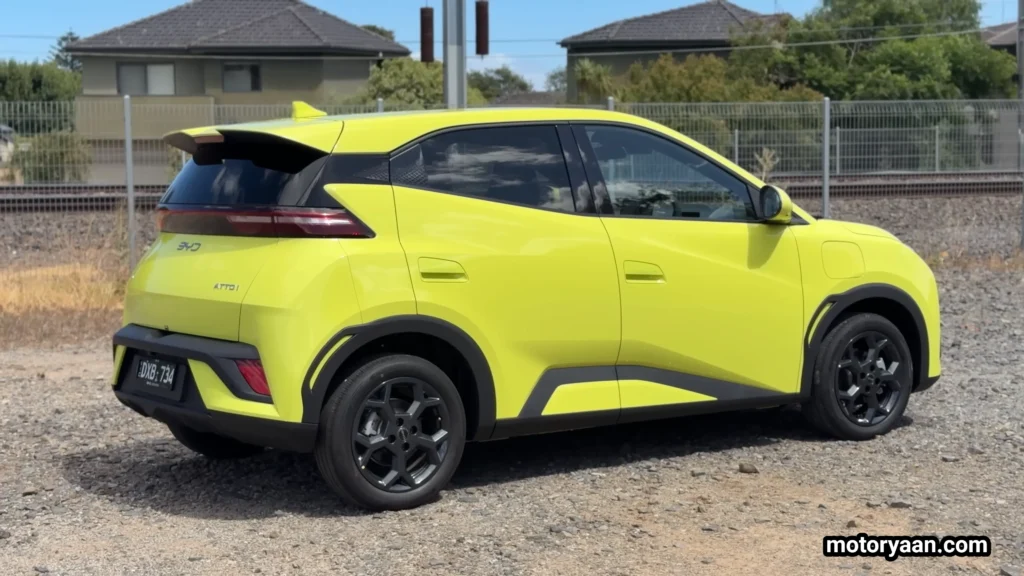
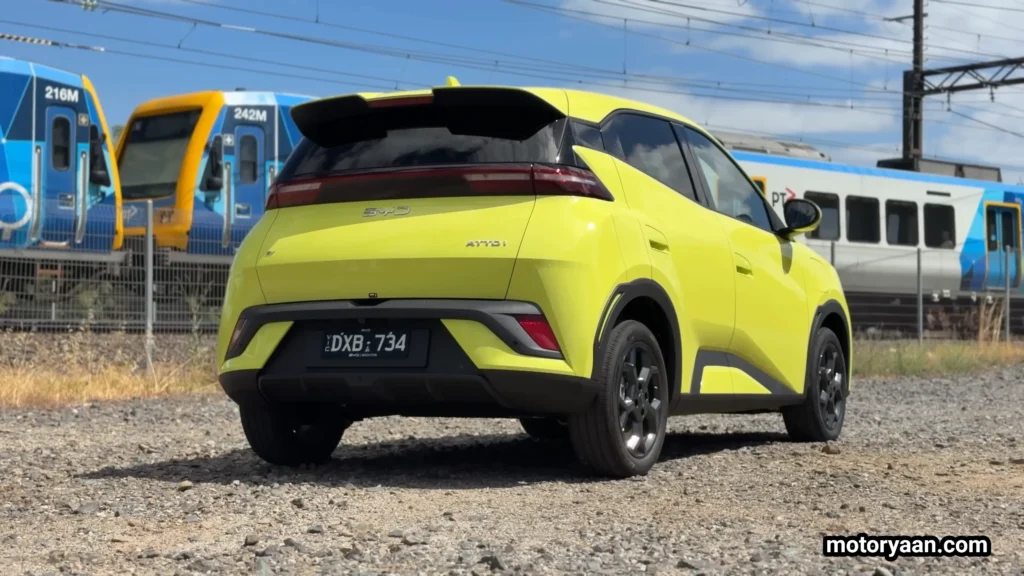
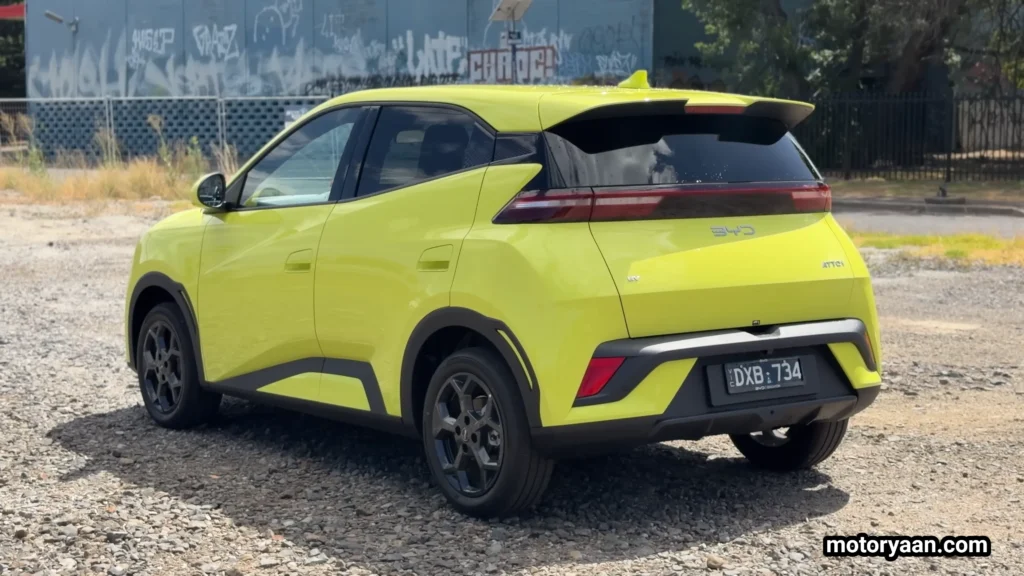
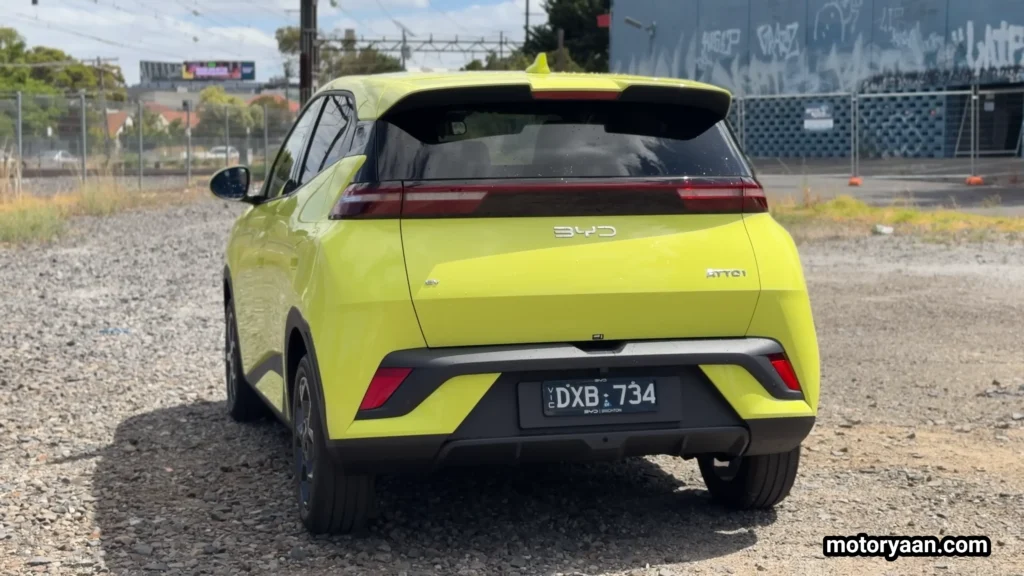
It has a sharp, angular design that reminds many people of exotic cars. Some owners even compare its front end to a Lamborghini inspired look. Whether you agree or not, it stands out.
Tall stance makes it easy to get in and out
Compact footprint works well in tight city spaces
Looks more expensive than it is
For many buyers, the design alone is a strong reason to consider the car.
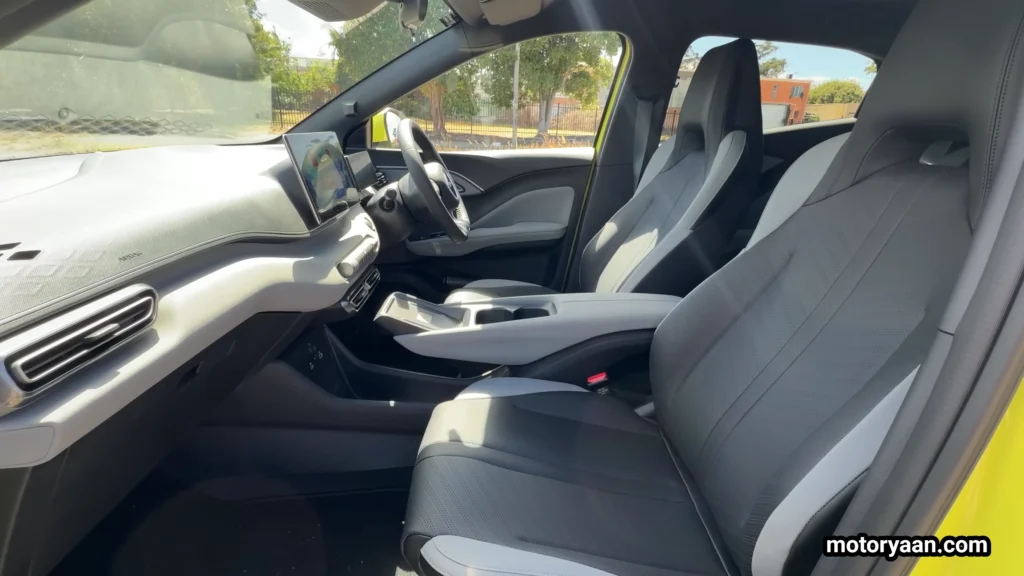
Interior: Comfortable Enough, With Some Compromises
The cabin is simple and functional, but not without issues.
What works
High seating position improves accessibility
Seats feel comfortable on short drives
Simple layout makes it easy to use
What does not work so well
Leg support feels poor on longer journeys
Vinyl style seat material gets hot in summer
Only four seats, not a five seater
That last point alone makes it less practical as a family car.
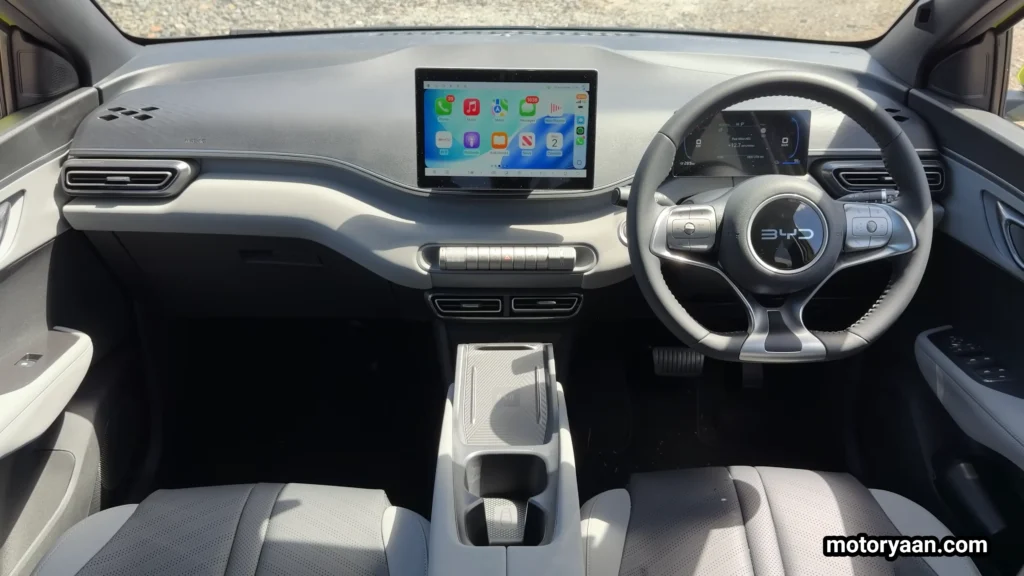
Infotainment and Features: Early Glitches
Some owners have reported software related issues.
Examples include:
Spotify login not working
Navigation errors
System connectivity problems
These may be early production glitches, but they affect daily usability.
Cabin Noise and Ride Quality Problems
This is one of the biggest complaints from real owners.
At speeds above about 80 km/h, several issues appear:
Loud wind noise
Tire noise entering the cabin
Hollow air rushing sound behind the dashboard
Low frequency vibration from the suspension
The car uses a torsion beam rear suspension. This setup helps keep costs down, but it often reduces ride comfort and noise isolation.
Some cars with torsion beam setups are tuned well, but in this case, owners report noticeable bass like vibrations from the rear suspension.
Speaker System and Wireless Charger
Two more small but annoying details.
Speakers
Four speaker setup with two tweeters
Sound quality rated as poor by owners
High cabin noise makes it worse at speed
Wireless charging
Phone gets hot during charging
Charging often fails to increase battery level
No cooling system for the charging pad
In practice, many owners stop using it altogether.
Service Experience and Warranty Concerns
Service experience varies by location, but some patterns are emerging.
Reported issues include:
Long wait times for service bookings
Warranty claims taking time to process
BYD currently offers:
6 year or 150,000 km vehicle warranty in Australia
Many rivals offer:
7 year unlimited km warranties
Up to 10 years in some cases
This creates concern for long term ownership confidence.
Battery, Range, and Real World Efficiency
The BYD1 comes in two battery options.
| Variant | Battery | WLTP Range |
|---|---|---|
| Essential | 30 kWh LFP | 220 km |
| Premium | 43.2 kWh LFP | 310 km |
Real world numbers reported by owners
City driving: about 13 kWh per 100 km
Mixed driving: about 16 kWh per 100 km
Highway at 100 km/h: 18 to 20 kWh per 100 km
That results in:
Around 350 km in slow city use (Premium)
About 200 km real world highway range
For many drivers, 200 km on a full charge feels limiting, especially for day trips.
Cooling System and Climate Impact
One of the most unusual parts of the BYD1 is its battery cooling system.
Instead of a dedicated liquid cooling loop, it uses the cabin air conditioning system to cool the battery.
This creates several problems:
Reduced efficiency in hot weather
Cabin cooling performance drops in extreme heat
Range falls sharply in summer or winter
The car also does not have a heat pump. That means:
Cabin heating becomes energy intensive
Winter range drops noticeably
In extreme conditions, the smaller battery version may deliver close to 120 km of real world range.
Public Charging Reality
Public charging is still inconsistent in some areas.
Real owner experiences include:
Broken chargers
Long queues at charging stations
Only one successful charge out of five attempts
For a car with limited highway range, this becomes a serious usability issue.
Insurance Shock
Insurance costs can be surprisingly high.
Example from a real policy:
Limited use comprehensive cover
About $2,400 per year
Roughly 10 percent of the car’s value annually
This is highly dependent on location and driver profile, but it is an important cost to consider.
Is the BYD1 Worth Buying?
The answer depends on how you plan to use it.
It may suit you if
You need a second car
Most driving is inside the city
Daily distances are short
You value design and compact size
It may not suit you if
You take frequent highway trips
You rely on public charging
You want a family car
You expect strong resale value
For a small increase in price, some buyers may find better overall value in EVs with:
Larger batteries
Faster charging
Better ride comfort
More practical interiors
Final Thoughts
The BYD1 proves that cheaper electric cars are possible, but it also shows the compromises that come with hitting a low price point.
It looks great, feels easy to drive in the city, and delivers good efficiency in slow traffic. But once you leave urban conditions, its limitations become obvious.
The idea of EV price parity with petrol cars sounds great, but in the real world, range, charging, and overall usability still matter more than the sticker price.
For some people, the BYD1 will work perfectly. For others, spending a little more on a better rounded EV could make far more sense in the long run.