2026 Audi RS5: 640 HP Plug In Hybrid With Quattro and Torque Rear
Table of Contents
Are you ready for an Audi tour of 640 horsepower? The all new Audi RS5 is here, and it brings more than just power. Audi has completely changed the formula.
This is no longer just a fast V6 with quattro. It is now a plug in hybrid with two electric motors, rear torque vectoring, and up to 80 km of electric driving range. On paper, it sounds like a tech experiment. In reality, it is Audi’s most packed performance package to date.
Let’s break it down properly. Engine. Drivetrain. Quattro system. Exterior. Interior. Practicality. Prices. No fluff.
Engine and Powertrain: 2.9 V6 Meets Plug In Hybrid
Under the hood sits a 2.9 litre V6 bi turbo engine. This unit alone produces 510 horsepower. Audi then adds:
One electric motor integrated into the 8 speed automatic transmission
A second electric motor on the rear axle for torque distribution
Together, the system produces around 640 horsepower.
0 to 100 kmph takes just 3.6 seconds.
The battery has a 22 kWh net capacity, allowing up to 80 km or about 50 miles of pure electric driving, depending on conditions. That figure aligns with current WLTP expectations for performance PHEVs in this class.
Yes, it adds weight. The RS5 now weighs over 2.3 tonnes. That is the downside. The upside is instant electric boost and taxation benefits in many European markets.
In Germany, for example, company car taxation for plug in hybrids can be significantly lower compared to pure combustion models, as per German federal tax guidelines. That matters for buyers in this segment.
Do You Always Get Full Performance?
This is the big question with plug in hybrids.
Audi states:
Full peak performance is available even at around 5 percent battery state of charge
Battery temperature should ideally be around 25 degrees Celsius
In RS driving modes, the system actively maintains battery charge for performance
If the battery drops too low, the combustion engine can recharge it, although that increases fuel consumption. Audi claims this does not reduce performance, only efficiency.
So in real world driving, peak performance should be available most of the time. But like any performance machine, warm up matters.
Quattro All Wheel Drive and Torque Rear Explained
The new RS5 uses a permanently driven quattro system. Both axles remain engaged. There is no full decoupling.
Key highlights:
Rear wheel bias
Center differential lock
Rear torque vectoring via dedicated electric motor
RS Torque Rear mode for controlled drifting on closed tracks
The rear electric motor can send more power to the outside rear wheel during cornering. This improves rotation and exit speed. It can also assist in deceleration.
In simple terms, Audi has made this RS5 more dynamic and less nose heavy in behavior, at least technically. A full driving verdict will depend on real world testing.
Charging and Hybrid Layout
11 kW AC charging
Charging port on driver side
Fuel cap on passenger side
The battery sits under the trunk floor, which affects boot space.
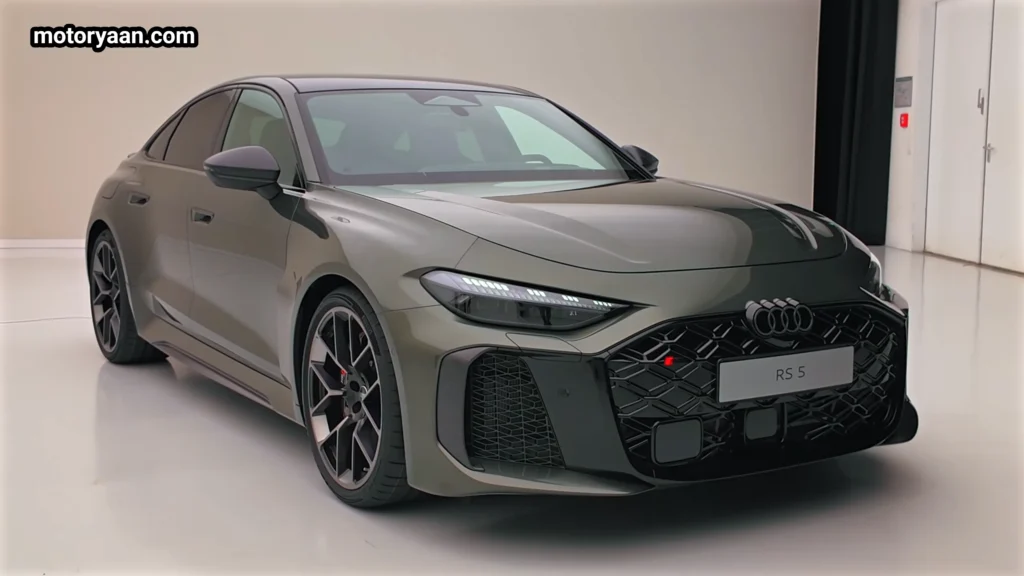
Exterior Design: Wider and More Aggressive
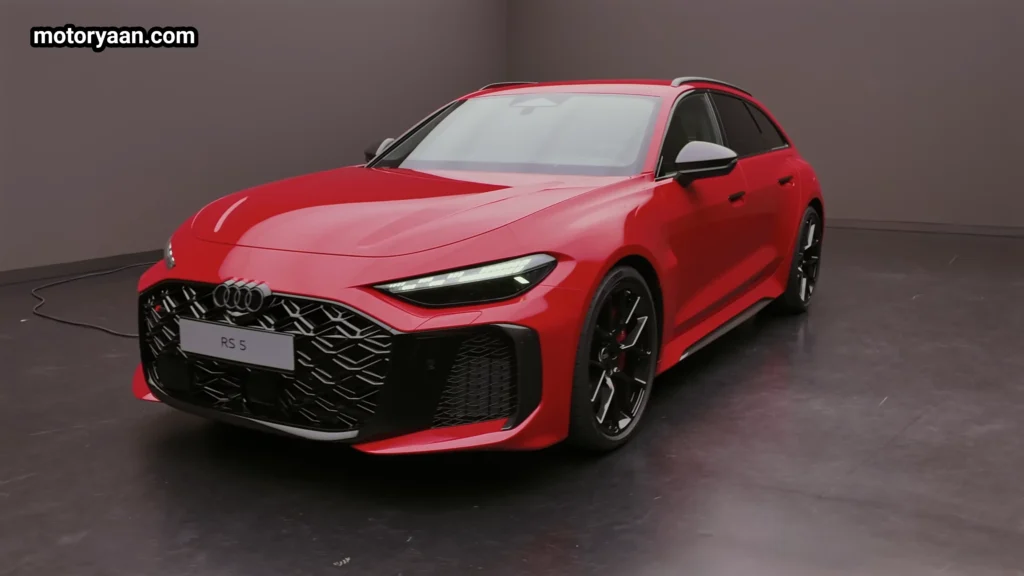
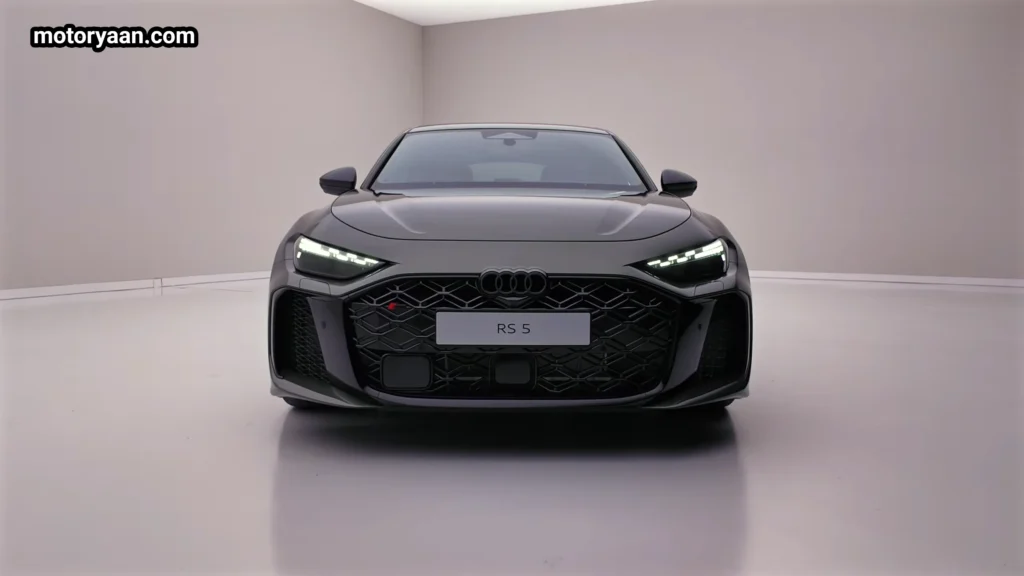
The new RS5 measures 4.90 meters in length. Compared to the standard A5, it is 9 cm wider overall.
At the front:
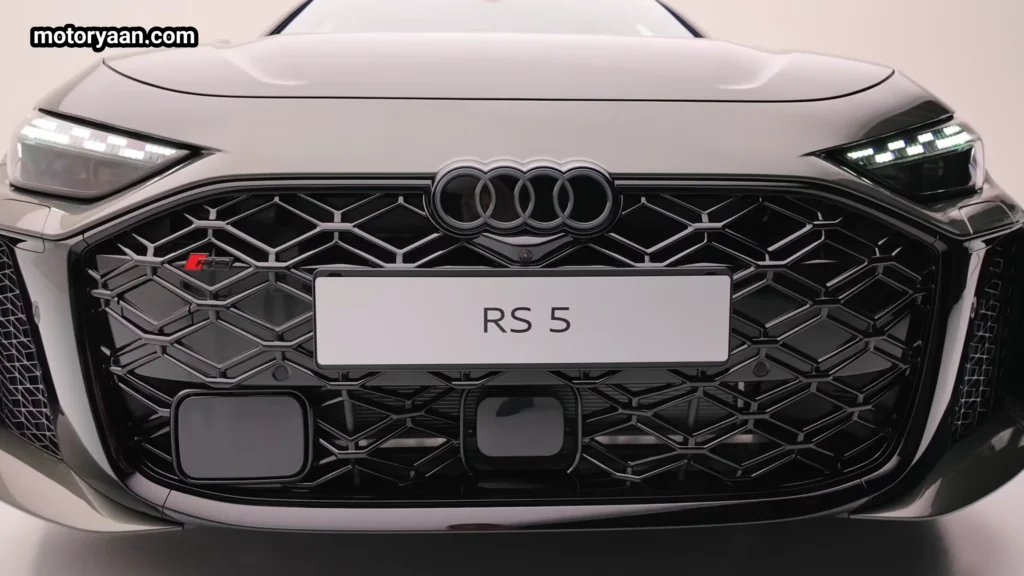
Large Singleframe grille in high gloss black
Darkened Audi rings
Honeycomb air intakes
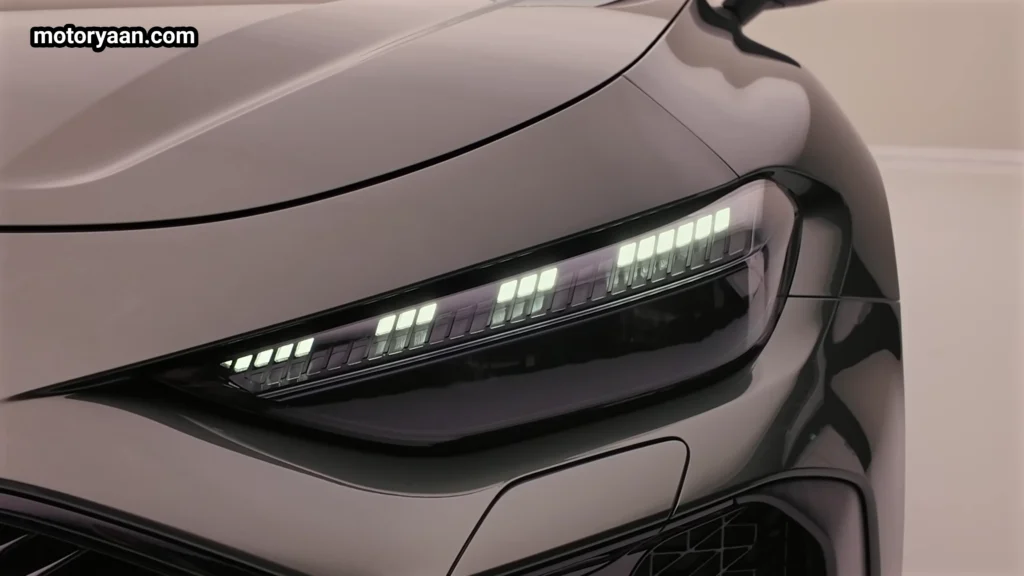
Standard Matrix LED headlights
Optional Audi Sport package with more dramatic elements
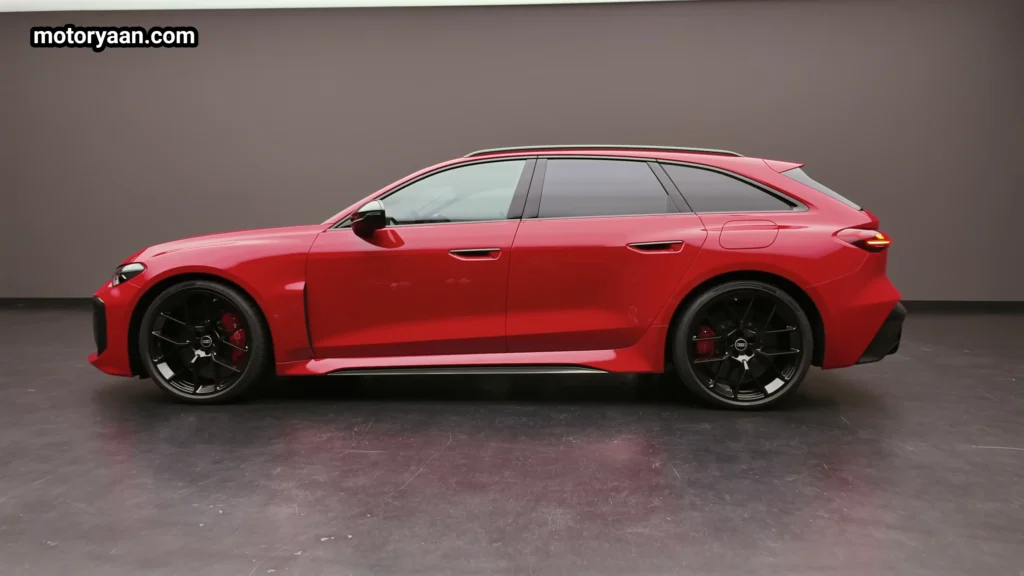
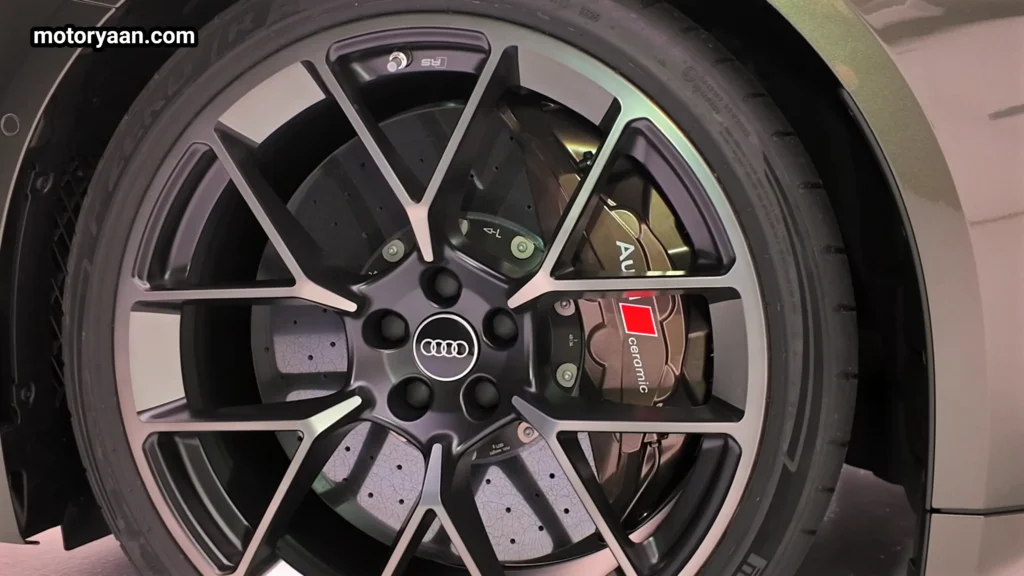
20 inch wheels come standard. 21 inch wheels are optional. With 21 inch wheels, the rear tires are slightly wider than the front. That means you cannot rotate them front to rear.
Optional carbon ceramic brakes are available and cost nearly five figures in Europe.
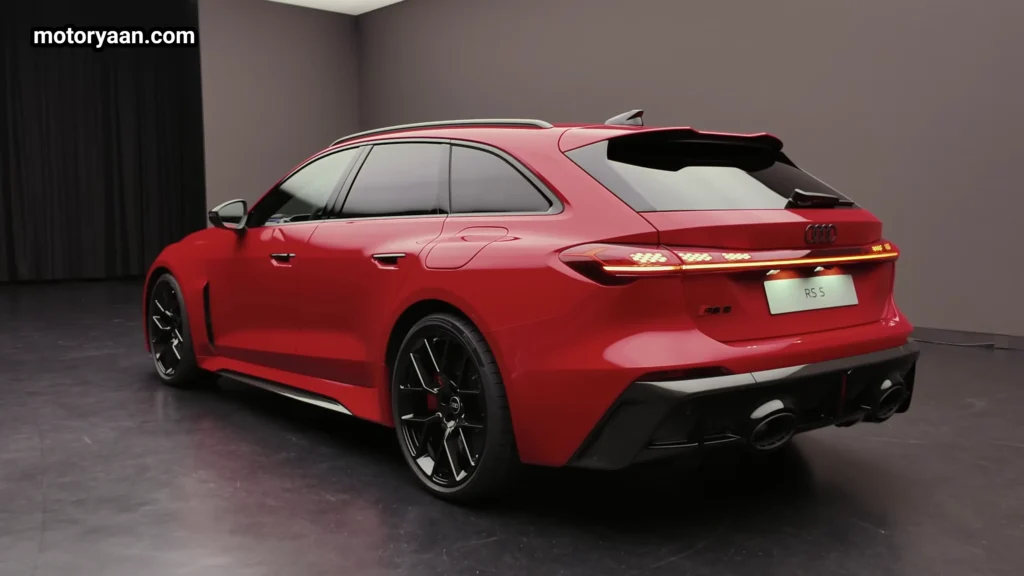
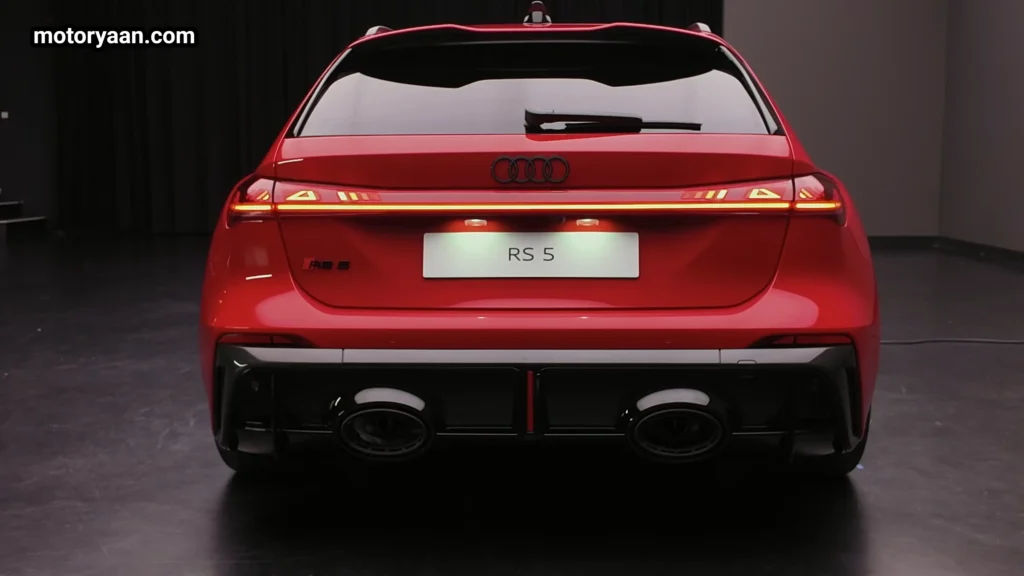
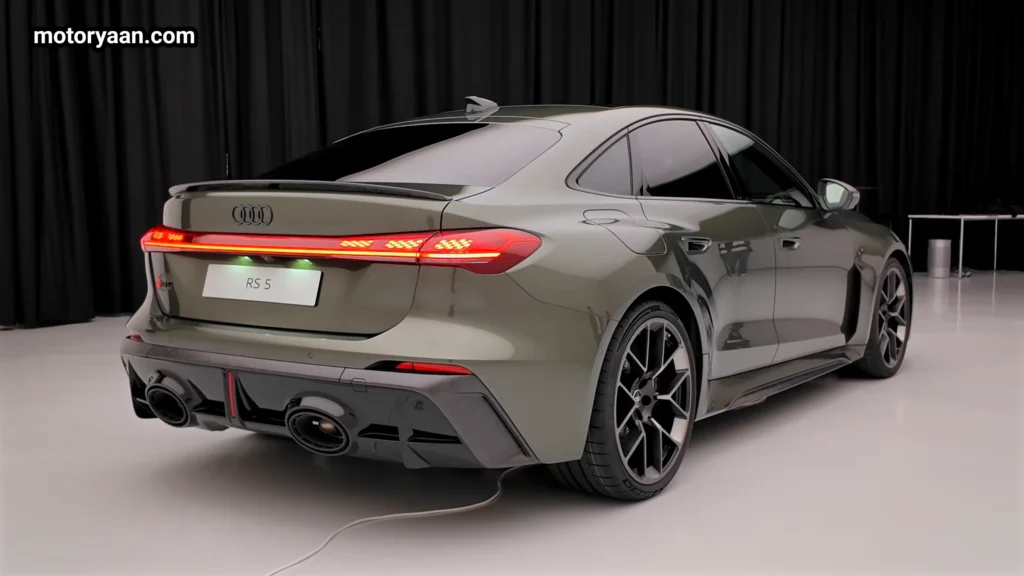
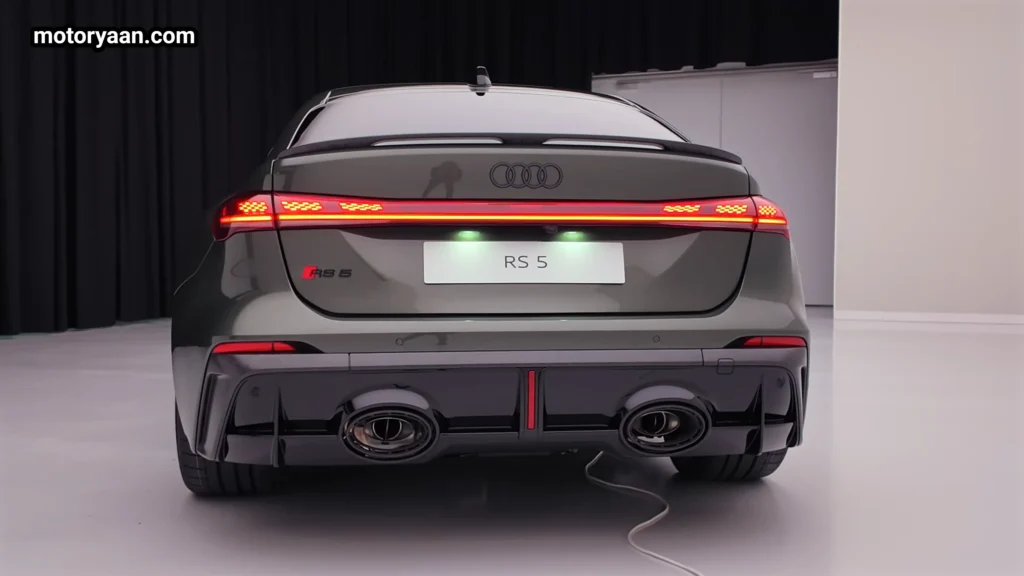
One detail worth noting. The outer exhaust tips are not fully connected to the actual exhaust pipe. The real exhaust sits further inside. Yes, the Fake Exhaust Police will notice.


Sedan or Sportback or Avant?
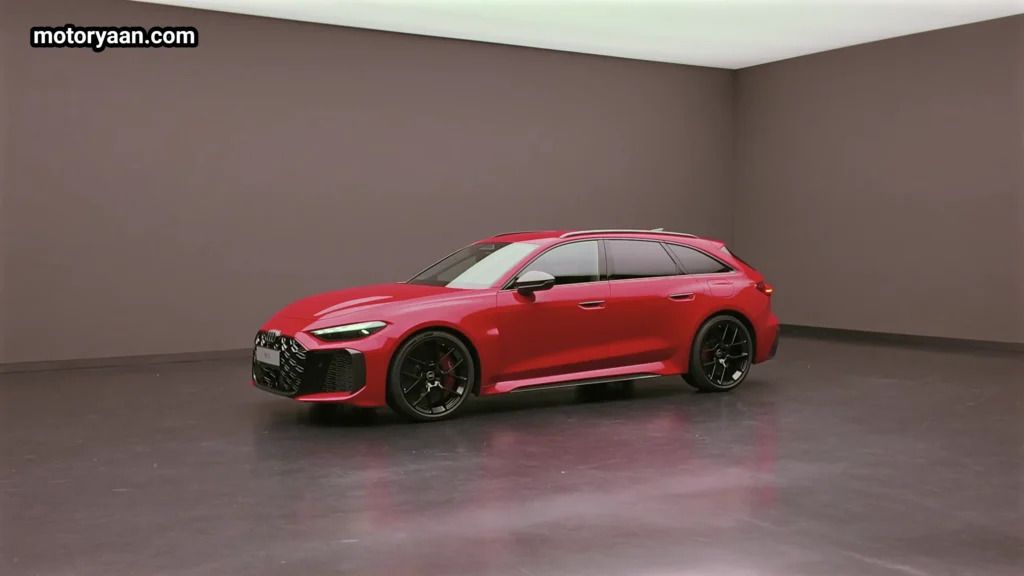
Audi officially calls it the RS5 sedan in the new A5 family. But practically, it still behaves like a Sportback thanks to the large rear hatch opening.
In Europe, you also get the Audi RS5 Avant, which replaces what used to be the RS4 Avant. Audi merged the A4 and A5 naming structure.
In North America, the Avant is not available. The sedan remains the primary option.
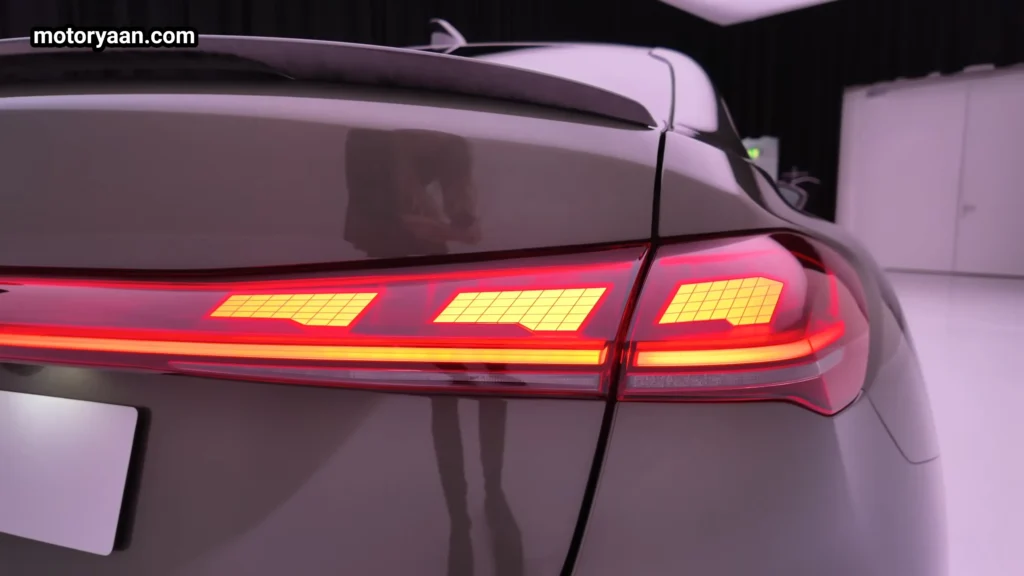
From the rear, the Avant arguably looks more balanced. The sedan gets an additional lip spoiler. OLED tail lights feature proximity animation and a checkered flag signature.
Interior: Tech Heavy With Mixed Feelings
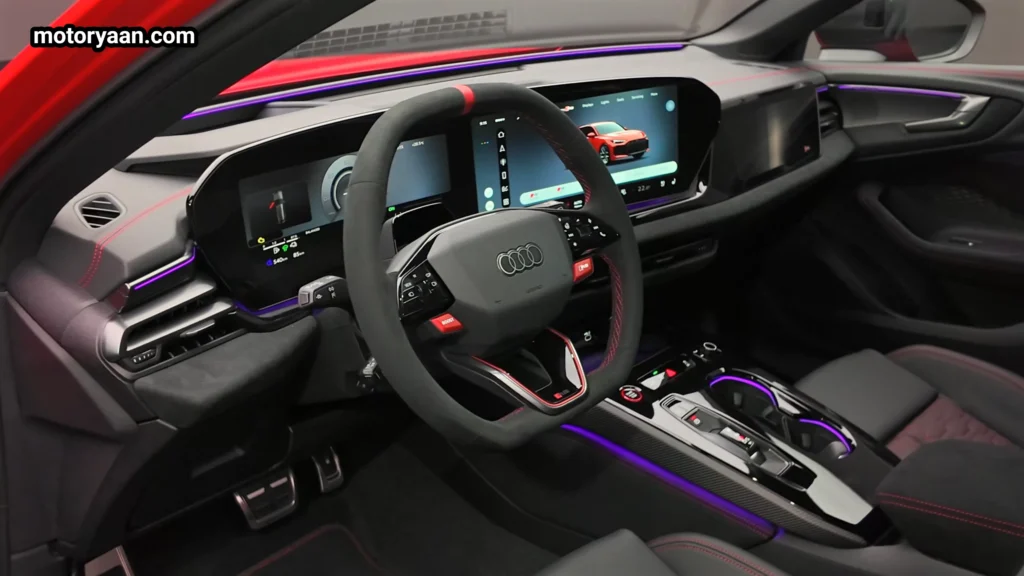
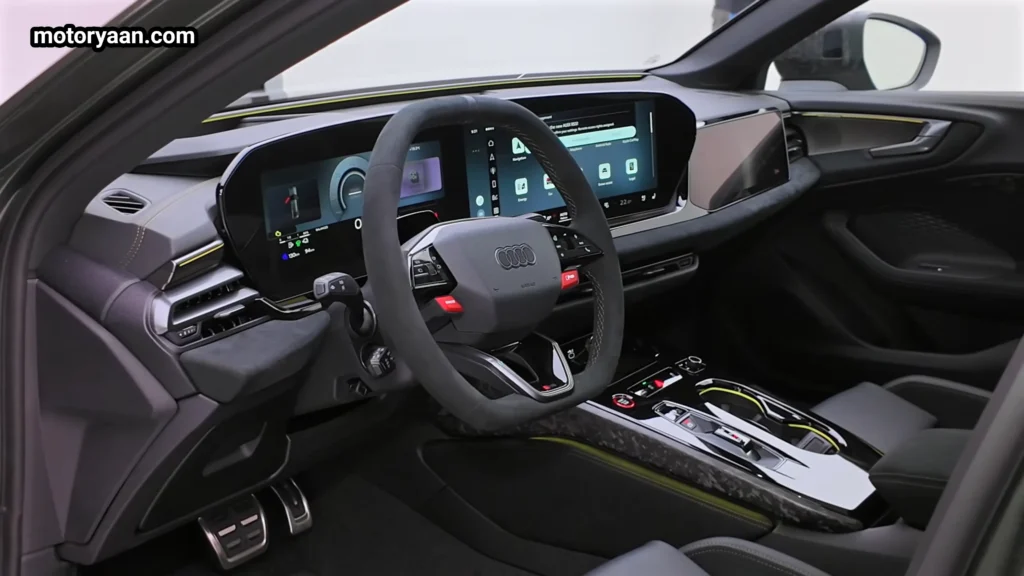
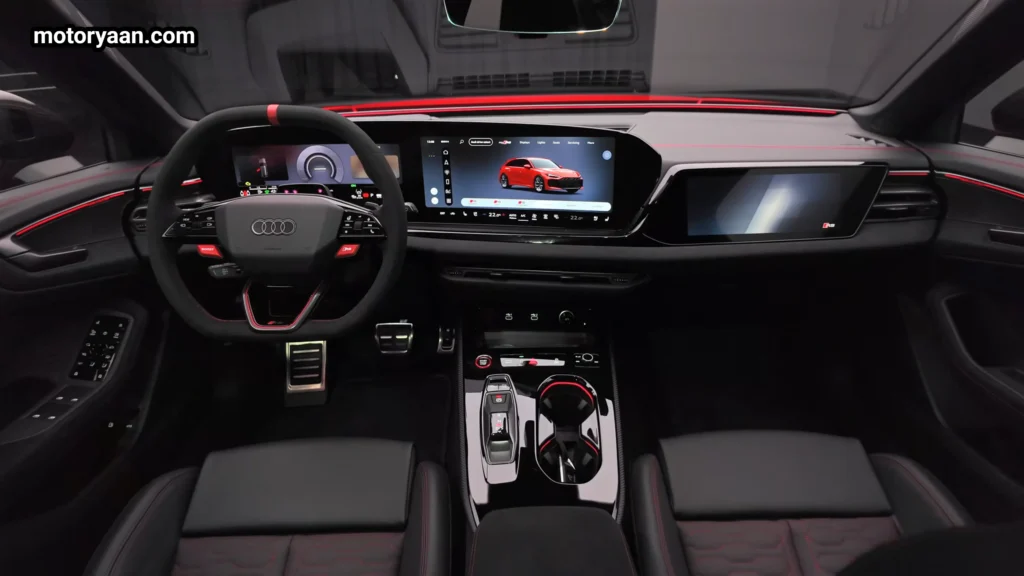
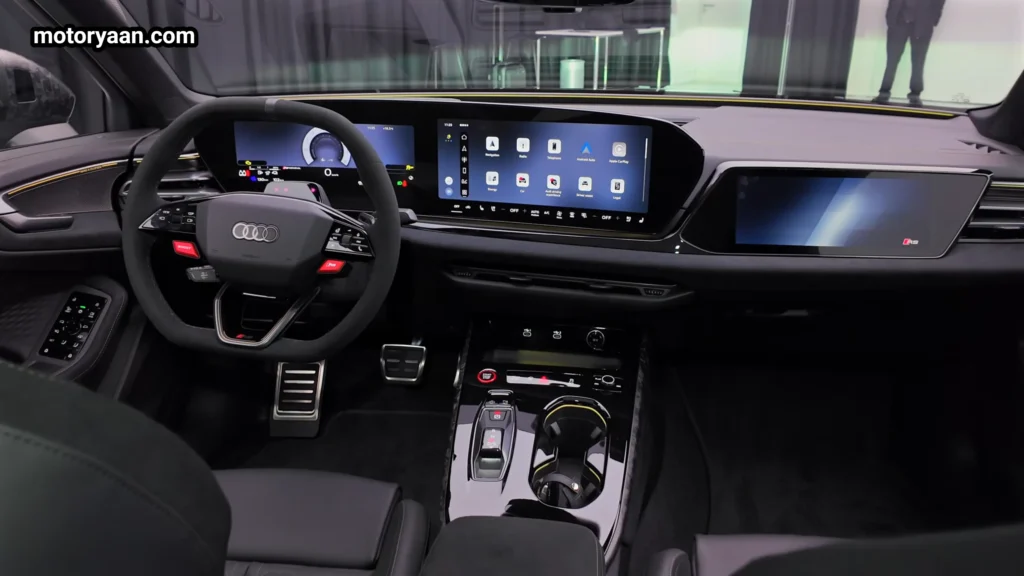
Inside, Audi loads the RS5 with screens:
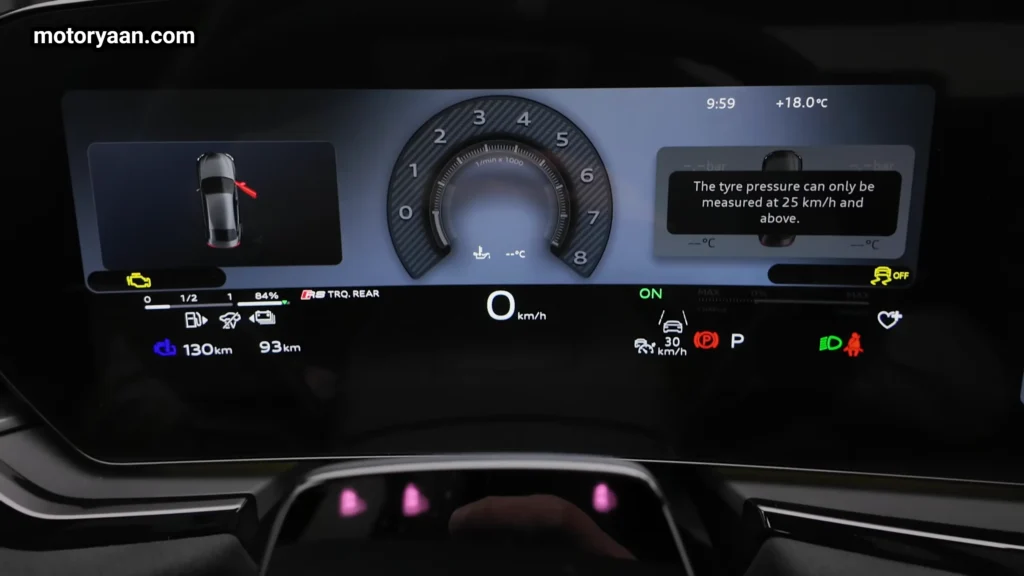
12 inch digital instrument cluster
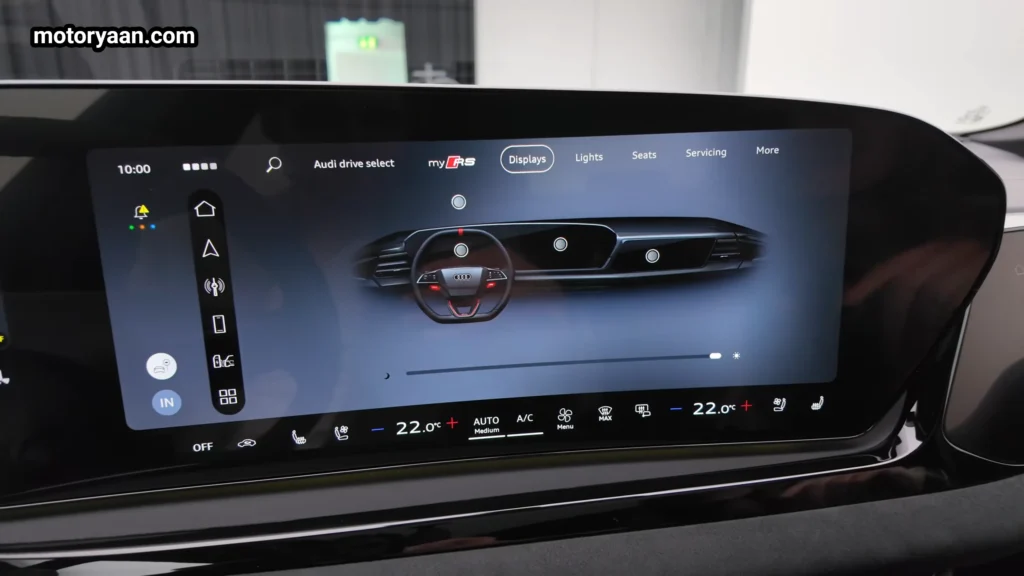
14.5 inch infotainment display
11 inch passenger screen as standard on RS
There is also a head up display with special RS graphics.
Audi brings back physical scroll wheels on the steering wheel for volume control. That is a welcome change. Many brands, including Mercedes Benz C Class, faced criticism for overly touch based controls and later reintroduced physical elements.
The RS5 includes:
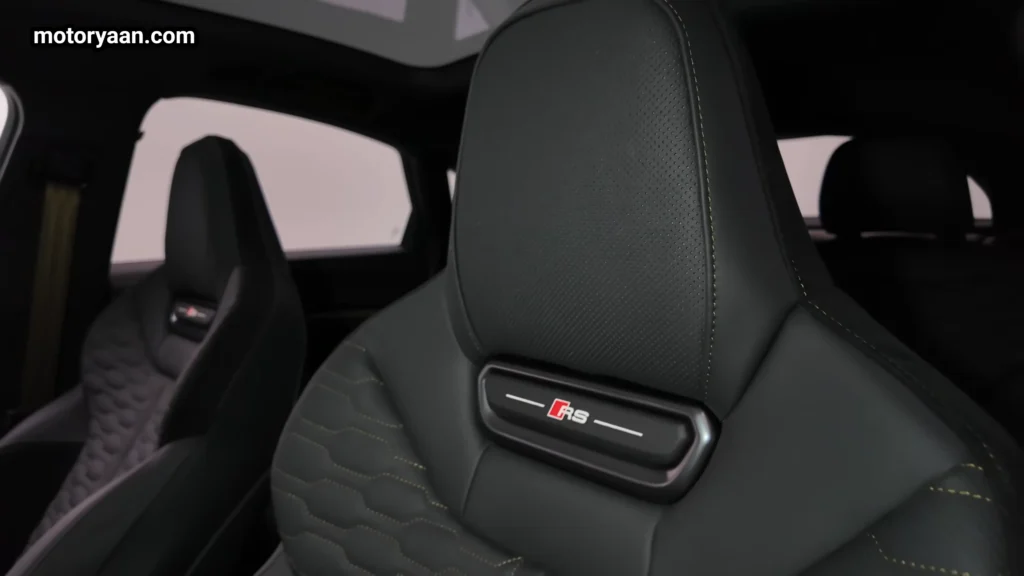
RS sport seats as standard
Optional leather upholstery
Fabric option in some European markets
Microfiber steering wheel with 12 o’clock marking
Bang and Olufsen sound system
However, high gloss black surfaces dominate the center console. Fingerprints will collect. That is reality.
Climate controls sit in the touchscreen. Ergonomically, they are not perfect. Reaching certain functions requires precision.
Another controversial point: custom background themes in the infotainment must be purchased via the Audi digital store. Paying extra for screen themes in a six figure car feels unnecessary.


Rear Seat Space
Rear seating works for four adults. Five is tight.
Headroom is limited, especially with the glass roof. The Avant offers slightly better rear headroom thanks to its straighter roofline.
Rear features include:
ISOFIX on outer seats
USB C ports
Rear climate controls
Adaptive cup holders
Boot Space: Hybrid Compromise
Because of the battery:
RS5 Sedan offers 330 litres
RS5 Avant offers 360 litres
Both lose space compared to non hybrid versions.
Width exceeds one meter. Length is practical. But underfloor storage is reduced due to battery placement.
The Avant offers better vertical loading height and remote rear seat folding, making it more practical overall.
Suspension and Driving Modes
Driving modes include:
Balanced
Comfort
Dynamic
RS modes
RS Torque Rear for track use
Balanced mode prioritizes electric driving first. RS mode maintains battery charge for maximum performance.
Top speed is limited to:
250 kmph standard
270 kmph optional
285 kmph with further unlock
Realistically, outside Germany’s Autobahn network, these numbers rarely matter. Most countries limit speeds to 130 kmph.
Price
In Germany:
RS5 Sedan starts at €106,000
RS5 Avant starts at €108,000
With options like carbon ceramic brakes, Audi Sport package, and carbon exterior packs, prices can easily climb €30,000 to €40,000 higher.
The RS5 has never been cheap. Now it adds electrification and tax benefits into the equation.
Final Thoughts: Tech Monster With a Split Personality
The 2026 Audi RS5 is not a simple evolution. It is a technological leap.
Pros:
640 horsepower combined output
Rear torque vectoring
Up to 80 km electric range
Serious performance potential
Tax advantages in many markets
Cons:
Over 2.3 tonnes weight
Reduced trunk space
Touch heavy climate controls
Paid infotainment themes
If you want a traditional lightweight sports sedan, this is not it. If you want a high tech performance machine that can drive electric during the week and attack corners on the weekend, this RS5 makes a strong case.
Now the real question. Sedan or Avant?
In Germany, the Avant will dominate. In North America, the sedan will carry the badge alone.
Either way, 640 horsepower with quattro and torque rear is not something you ignore.
Sources and reference
1. Motor1 — New RS5 Details & Specs
Fresh detailed breakdown of how the plug-in hybrid powertrain works.
Covers outputs, torque vectoring, battery size, electric range, 0-100 acceleration, and weight details.
2. Road & Track — New RS5 Debut Report
News article covering the global debut including electrified drivetrain explanation.
Good for performance numbers and technology overview.
3. Car and Driver — RS5 Photo Gallery & Summary
Recent article with visuals and basic technical synopsis of the RS5 plug-in hybrid.
View Exterior and Interior Photos of the RS5 (Car and Driver)
4. Auto Express — RS5 Avant Teaser Coverage
Report about the RS5 Avant variant and what’s expected in styling and PHEV setup.
5. NDTV Auto — What to Expect from the RS5 PHEV
General preview including output estimates and electric range speculation.
6. Motoring Research — First Media Details
Focused summary of powertrain outputs and engine details.
7. Carexpert — RS5 Plug-In Hybrid Report
Summary of power and torque figures, body style info, and performance comparisons.
2026 Audi RS5 FAQs
1. How much power does the 2026 Audi RS5 produce?
The 2026 Audi RS5 produces around 640 horsepower in total. The 2.9 litre V6 bi turbo engine delivers 510 horsepower, supported by two electric motors as part of the plug in hybrid system.
2. Is the new Audi RS5 a plug in hybrid?
Yes. The RS5 is a plug in hybrid. It combines a combustion engine in the front with one electric motor integrated into the 8 speed automatic gearbox and a second electric motor on the rear axle for torque distribution.
3. What is the electric range of the RS5?
The RS5 uses a 22 kWh net battery and can drive up to 80 kilometers or about 50 miles in pure electric mode depending on conditions.
4. How fast is the 2026 Audi RS5 from 0 to 100 kmph?
Audi claims a 0 to 100 kmph acceleration time of 3.6 seconds. The electric boost supports quicker launches despite the added hybrid weight.
5. Does the RS5 deliver full performance with low battery?
According to Audi, full peak performance is available even at around 5 percent battery state of charge if the battery temperature is optimal. In RS mode, the system actively maintains charge to preserve performance.
6. How does the quattro system work in the new RS5?
The RS5 uses a permanent quattro all wheel drive system with a rear wheel bias. Both axles are always powered. An additional rear electric motor enables active torque vectoring for improved cornering.
7. What is RS Torque Rear mode?
RS Torque Rear mode is a track focused driving setting. It increases rear torque distribution to allow controlled oversteer on closed circuits.
8. What body styles are available for the 2026 RS5?
The RS5 is available as a sedan with a Sportback style hatch opening. In Europe, the RS5 Avant estate version is also offered. The Avant is not available in North America.
9. What wheel options are available?
20 inch wheels are standard. Optional 21 inch wheels are available. With the 21 inch setup, the rear tires are slightly wider and cannot be rotated front to rear.
10. Does the RS5 offer carbon ceramic brakes?
Yes. Carbon ceramic brakes are available as an optional upgrade for improved durability under high performance driving.
11. How much boot space does the hybrid RS5 offer?
The sedan provides 330 liters of boot space. The Avant offers 360 liters. Space is slightly reduced compared to non hybrid models because the battery is positioned under the trunk floor.
12. What is the starting price of the 2026 Audi RS5?
In Germany, pricing starts at approximately €106,000 for the sedan and €108,000 for the Avant. Optional equipment such as the Audi Sport package and ceramic brakes can increase the final price significantly.