2026 Ford Ranger Super Duty
The new Ford Ranger Super Duty is not just a dressed up Ranger with a badge. It is a proper heavy duty workhorse built for serious towing, payload, and fleet use. The price is higher than a regular Ranger, but the numbers on paper are also far bigger.
This review focuses on towing, mechanical changes, and real world behaviour under load, not off road glamour runs. The goal here is simple. See if the Super Duty badge actually means something on the road.
Ford Ranger Super Duty Price and Positioning
The Super Duty sits above the regular Ranger in both price and capability.
Key price points
Cab chassis non dual cab starts a little above 80,000 Australian dollars
Dual cab version starts around 90,000 Australian dollars
Accessories and heavy duty trays add significant cost
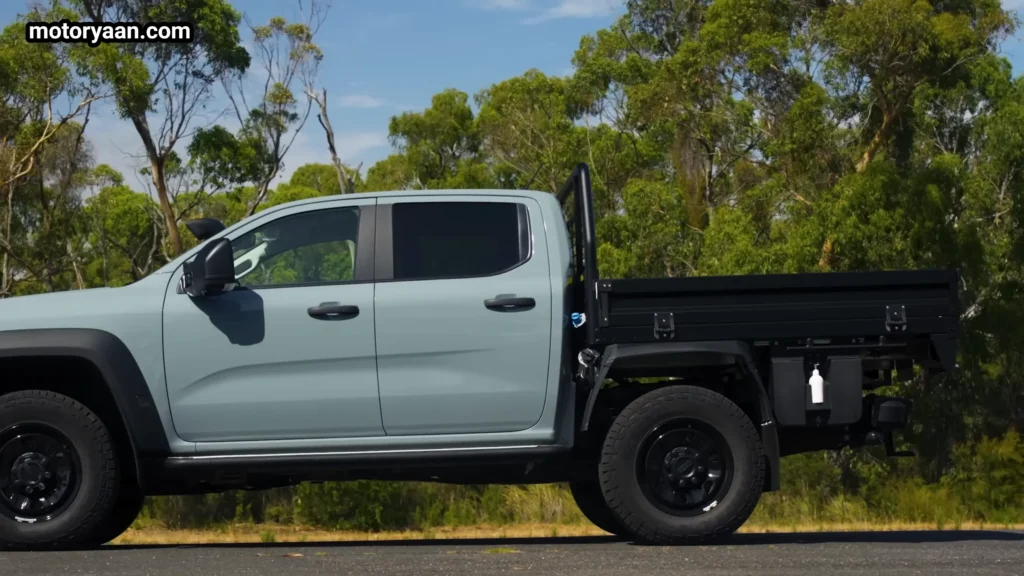
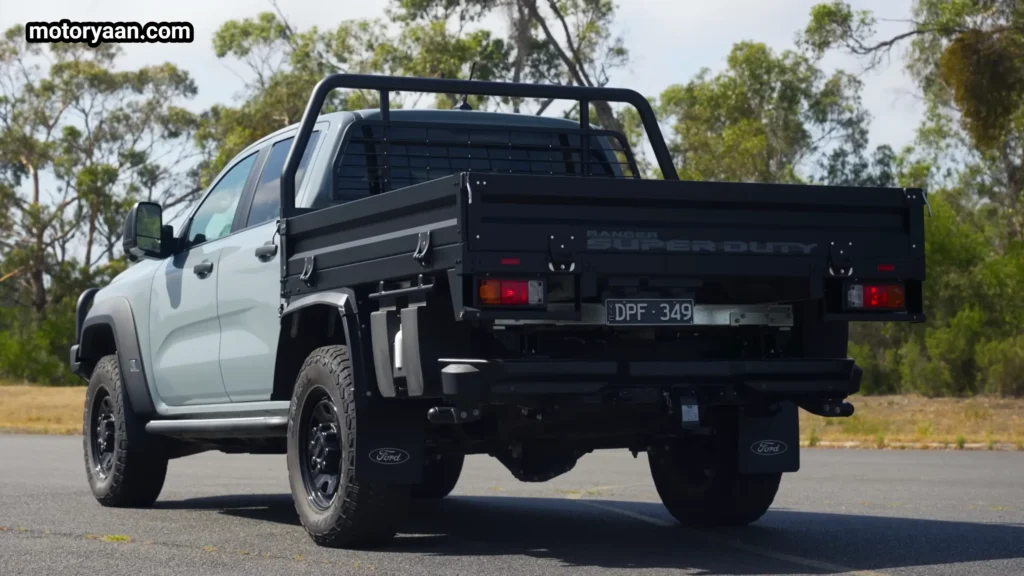
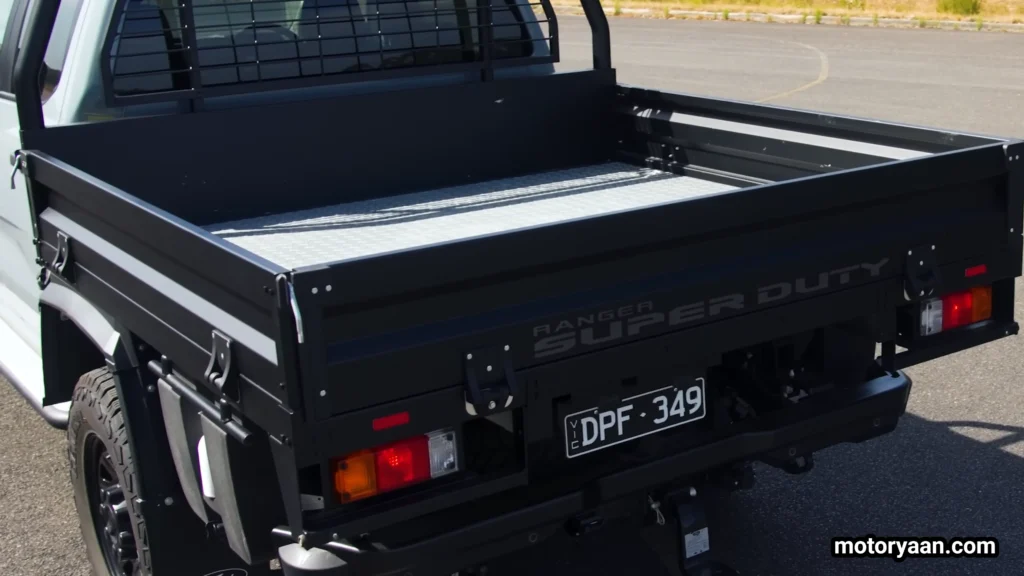
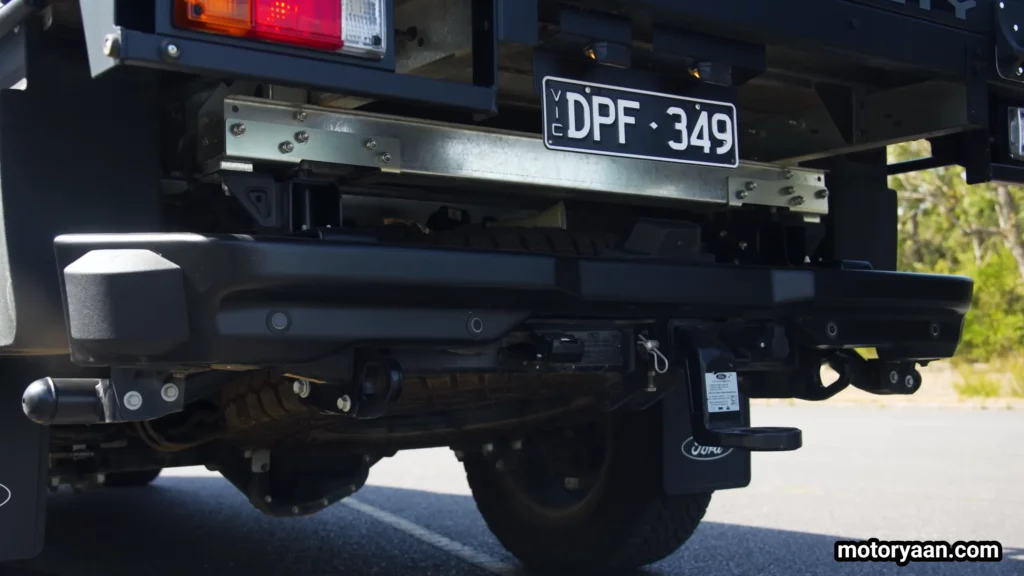
Unlike a standard dual cab, the cab chassis version does not come with a tray. A heavy duty tray alone can cost close to 10,000 Australian dollars because it needs to handle nearly two tons of payload.
This makes it more of a fleet or trade focused vehicle than a lifestyle pickup.
Design: Wider, Taller, and More Industrial
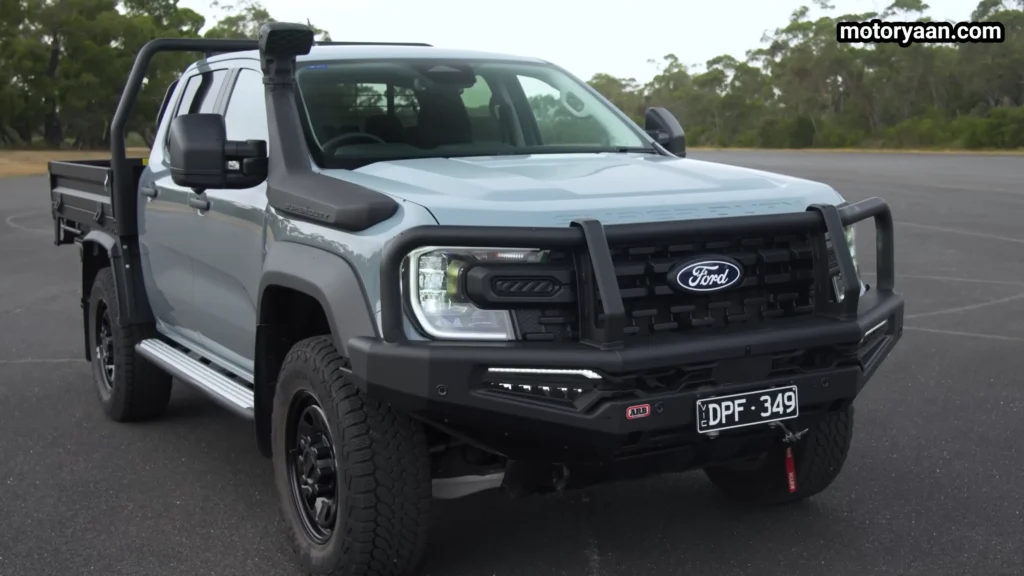
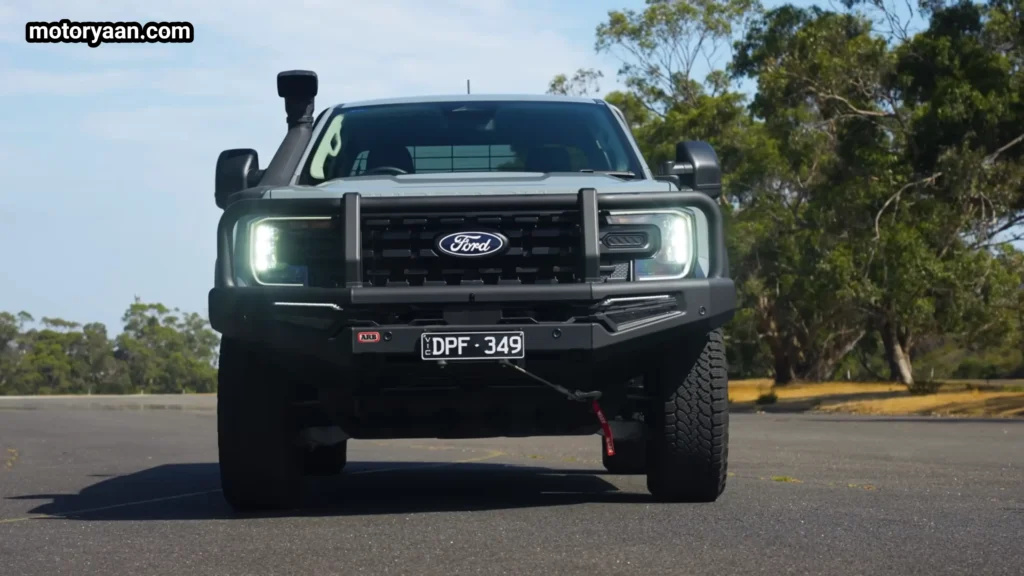
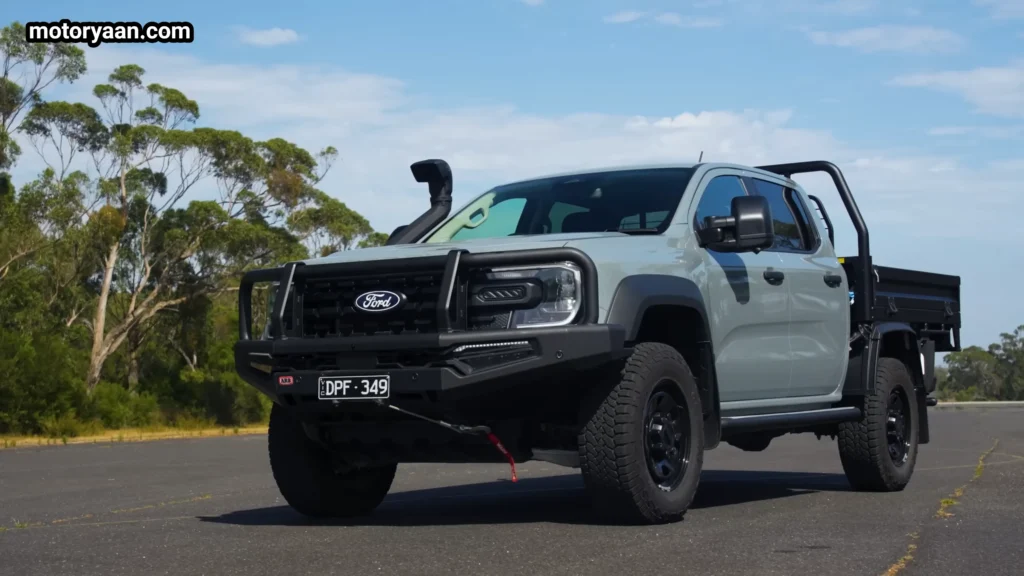
The Super Duty looks noticeably more aggressive than a standard Ranger.
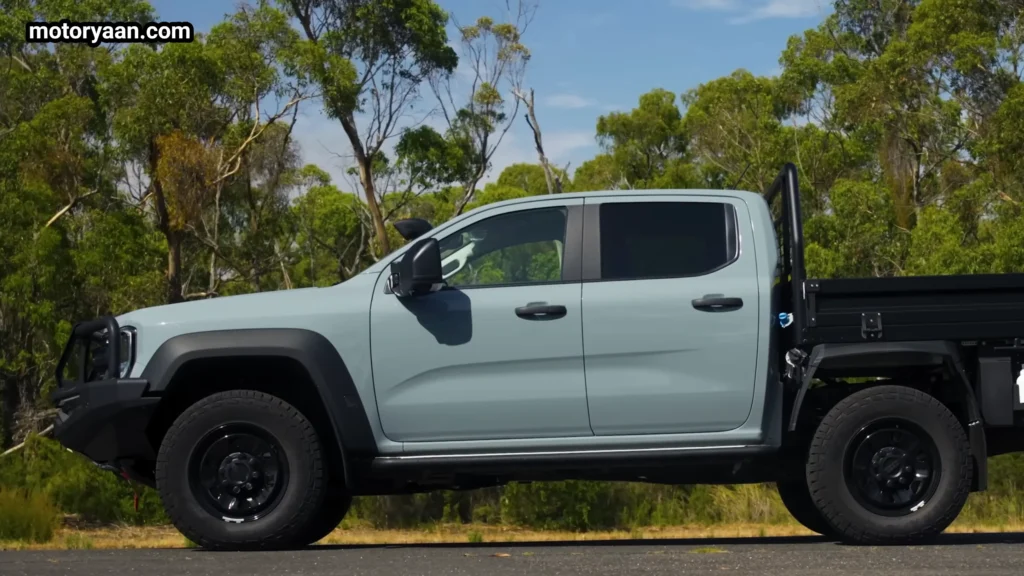
Key exterior changes
Wider stance similar to Ranger Raptor track width
Higher ride height
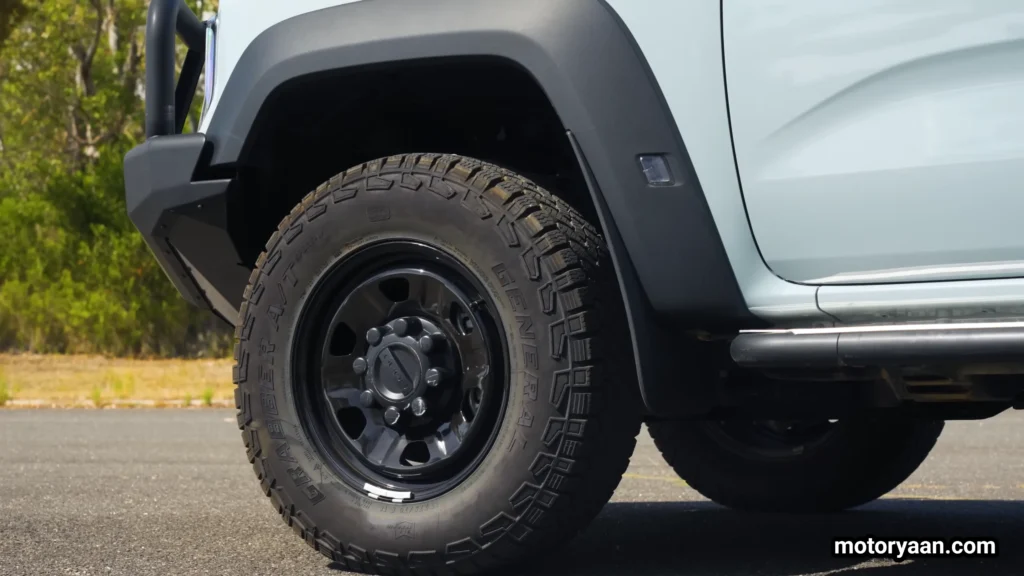
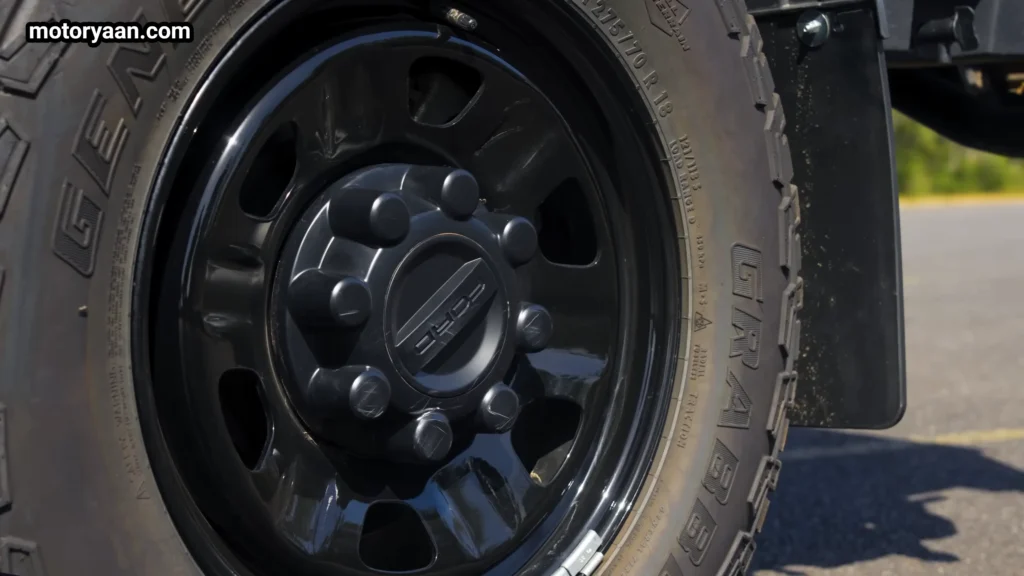
Eight stud wheel hubs for higher load capacity
Light truck tyres instead of standard all terrain tyres
Larger brake setup
Steel wheels on work variants
Standard snorkel
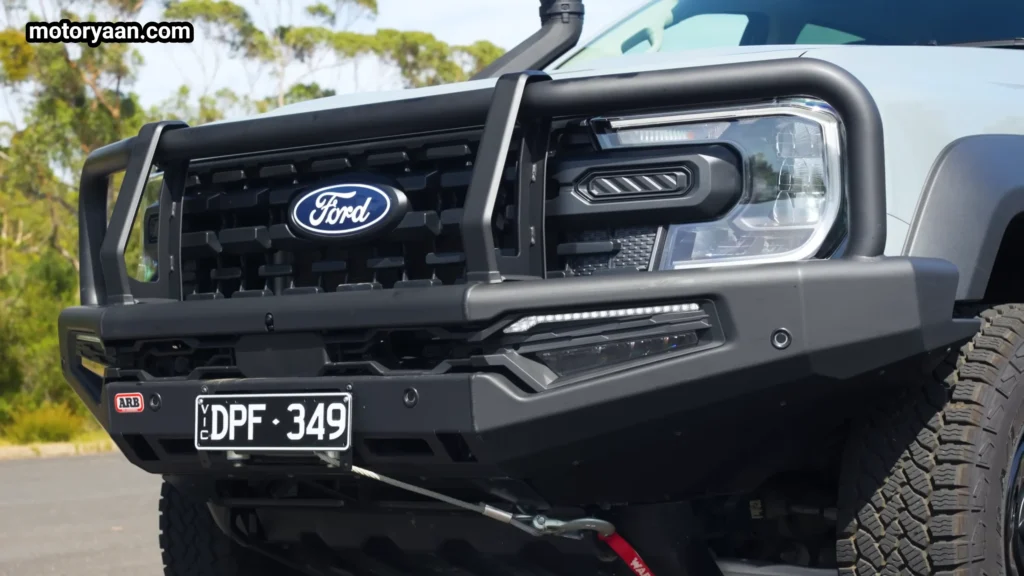
The front end on this test vehicle includes an ARB Summit bull bar and a winch. Ford allows these accessories to be fitted at the dealership, and they remain covered under the factory warranty.
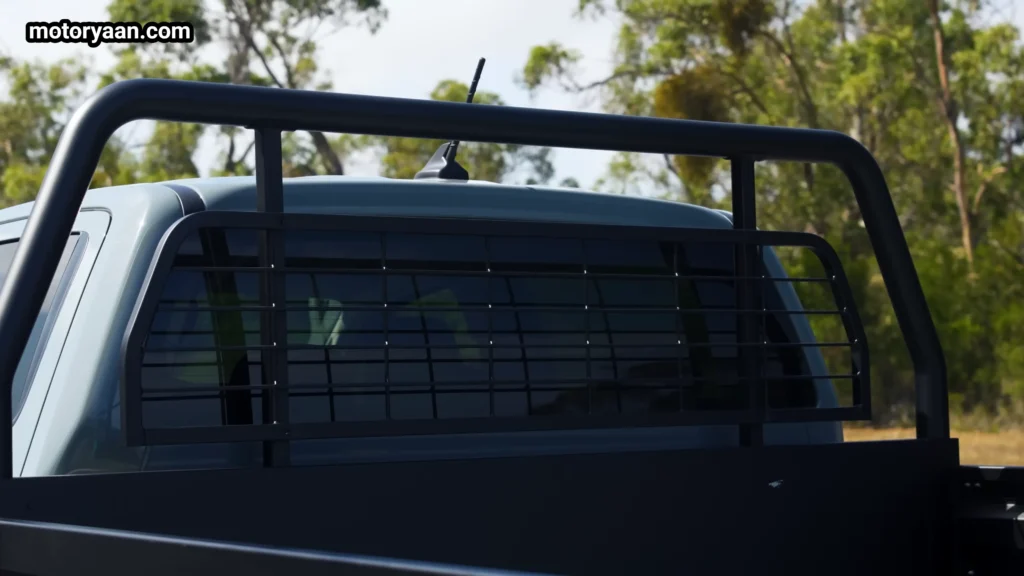
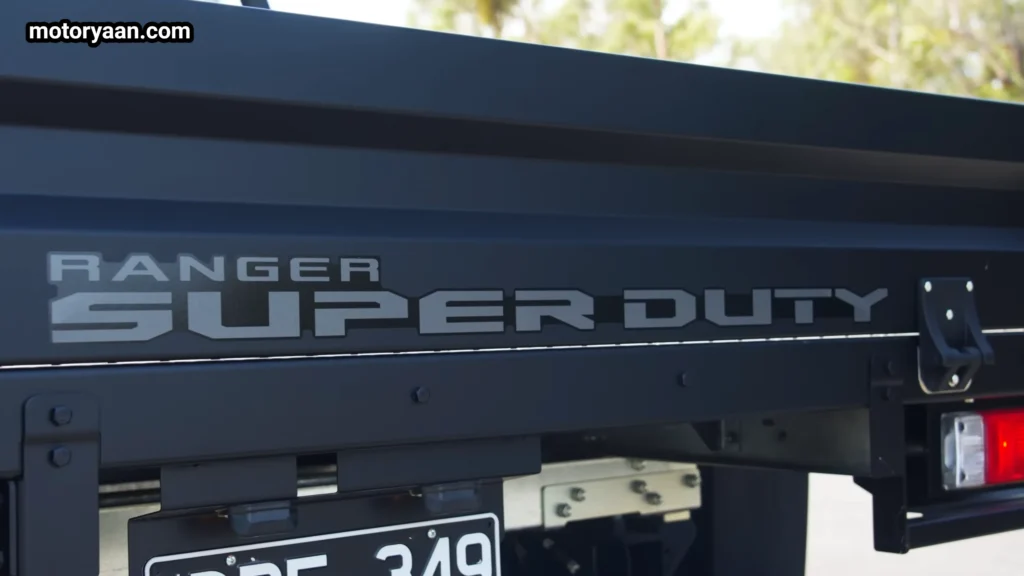
Another big difference is the heavy duty tray system. These trays are reinforced and mounted with stronger rails to handle payloads close to two tons.


Payload, Towing, and Core Numbers
This is where the Super Duty justifies its name.
Key capability figures
Payload close to 1,800 kg in dual cab form
Up to nearly 2,000 kg depending on configuration
Braked towing capacity up to 4.5 tons
Gross Combination Mass around 8,000 kg
Ground clearance close to 300 mm
These numbers place it well above a standard V6 Ranger in both payload and towing capacity.
Interior: Familiar Ranger Cabin with Work Focused Changes
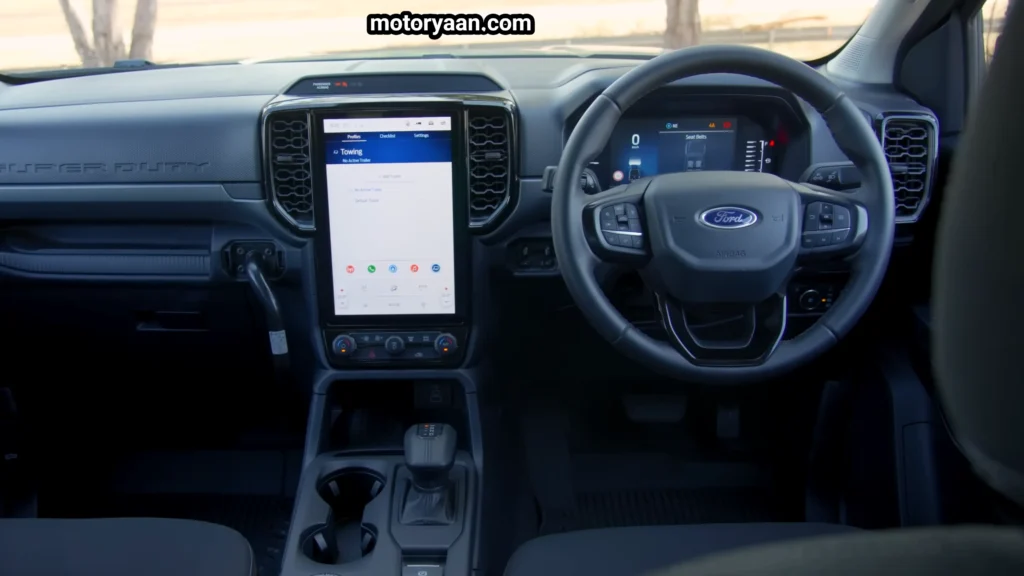
The cabin looks similar to a regular Ranger, but a few changes show its work oriented nature.
Interior highlights
Standard auxiliary switches in the roof console
Vinyl flooring instead of carpet
Cloth seats on work spec models
Mounting rail on the dashboard for devices or tablets
USB ports for additional equipment
The truck comes with a 12 inch infotainment system across the range. But the software includes a few Super Duty specific tools.
Special features
Onboard scales to monitor payload
Smart Hitch system for trailer load distribution
Multiple camera inputs for trailer cameras
Pro Trailer Backup Assist
Rear seat space is improved over older Rangers thanks to a longer wheelbase, and there is storage under the seats as well.

Engine and Drivetrain
Under the bonnet sits a familiar engine.
Powertrain details
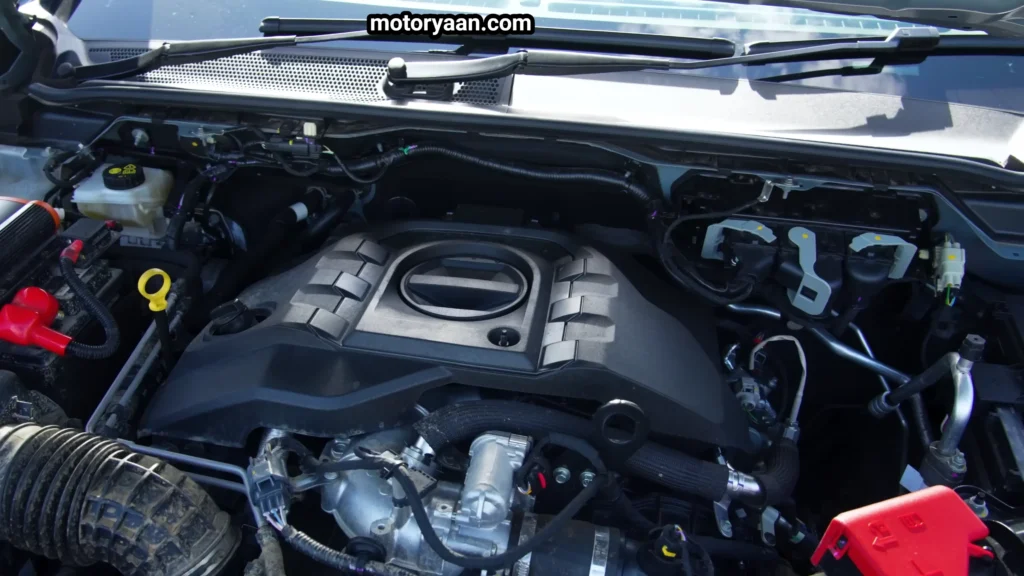
3.0 litre turbo diesel V6
Around 150 kW of power
600 Nm of torque
10 speed automatic gearbox
Full time four wheel drive system
There is no two wheel drive mode. It runs in four wheel drive auto, high, or low range only. That choice likely comes from the vehicle’s heavy duty towing targets.
However, on the road, the engine does not feel as punchy as the same V6 in a regular Ranger. The extra weight and possible detuning for durability make it feel slower, especially under load.

Fuel Economy
Official fuel consumption is above 10 litres per 100 km.
In real world driving during the test, the vehicle averaged closer to 12 litres per 100 km. That figure makes sense considering the extra mass, heavy duty tyres, and full time four wheel drive system.
There is also no stop start system.
Mechanical Changes Under the Skin
This is where the Super Duty separates itself from the standard Ranger.
Key mechanical upgrades
Larger lower control arms
Heavier duty driveshaft
Bigger rear differential from the Ford Transit
Larger brakes
Full underbody protection
130 litre fuel tank
Parabolic rear leaf springs
Outboard rear dampers for better stability
The exhaust system is also more complex because of emissions hardware and AdBlue integration. That means higher replacement costs if anything fails.
Overall, the chassis and driveline changes are significant. This is not just a cosmetic upgrade.
On Road Ride and Handling
Despite its heavy duty setup, the ride is surprisingly comfortable.
Driving impressions
Firm but not harsh
Stable over bumps and rough roads
More planted than a standard Ranger at speed
Strong braking performance thanks to bigger brakes
The steering and handling feel settled, even when pushed harder than most owners would ever attempt.
Road noise is higher than a regular Ranger due to the snorkel, bigger mirrors, and light truck tyres.
Performance Numbers
Acceleration is not a strong point.
Tested performance
0 to 100 km per hour: 13.23 seconds
80 to 120 km per hour: 11.99 seconds
Braking from 100 km per hour: 45.63 metres
The braking distance is acceptable for a vehicle on light truck tyres. But acceleration feels slow, especially when compared to standard dual cab pickups.
Extreme Towing Stress Test
The Super Duty was subjected to an extreme towing simulation.
Test conditions
Simulated load: 6 tons
Full throttle stress run
Multiple laps on a test track
The engine worked at near maximum capacity. Temperatures rose but stayed within operating range. Eventually, the vehicle reduced speed slightly to protect itself, then stabilised.
It passed the torture test, but only just.
Real World Towing at Maximum Mass
Another test involved a full 8,000 kg GCM setup.
Observations
Vehicle struggled on steep inclines
Throttle fully pressed in many sections
Engine felt underpowered at maximum load
Ride quality remained stable even with heavy weight
On a steep 15 percent grade, the truck climbed slowly and did not feel particularly confident.
Reliability Concerns
There have been reports of alternator failures caused by mud buildup. When the alternator stops charging, several electronic systems begin shutting down.
In one case, this led to:
Loss of power steering
Reduced brake assist
Electronic shifter engaging park while moving
That failure mode raised safety concerns. It is an issue Ford will likely need to address, especially for fleet buyers.
Verdict: Tough Hardware, Questionable Engine Match
The Ranger Super Duty is a seriously upgraded truck.
What it does well
Massive towing and payload numbers
Strong chassis and suspension upgrades
Excellent braking performance
Surprisingly comfortable ride for a heavy duty vehicle
Where it falls short
Engine feels underpowered at full load
Slow acceleration
Some reliability concerns reported
The hardware is impressive. The engineering changes are real and substantial. But the engine tuning takes away some confidence when the truck is working near its limits.
For fleet operators or tradespeople who need the extra payload, it still makes a strong case. But anyone planning to tow near the maximum ratings regularly might want to pay close attention to how it performs under real world loads.